




The Ultimate Guide to ABS Sheets and ABS Sheets & Rolls: Properties, Applications, and Benefits
What Are ABS Sheets and ABS Sheets & Rolls?
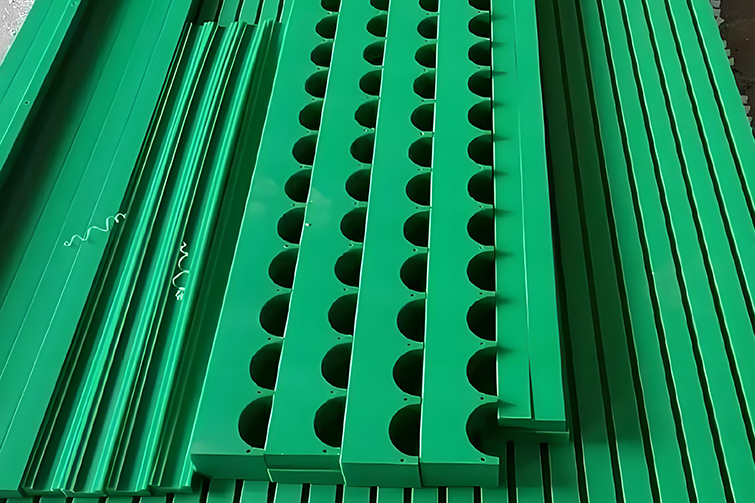
ABS, or Acrylonitrile Butadiene Styrene, is a robust thermoplastic known for its impact resistance, rigidity, and ease of fabrication. ABS Sheets come in flat panels, while ABS Sheets & Rolls offer flexibility for custom shapes and continuous processes. These materials are widely used in automotive, construction, medical, and consumer goods industries.
Key Properties of ABS Sheets
ABS offers a unique balance of properties: high impact strength, good chemical resistance, dimensional stability, and ease of machining. It can be thermoformed, welded, and glued, making it ideal for prototyping and production. ABS sheets are also electrically insulating and have a smooth finish suitable for painting or printing.
Advantages of ABS Sheets & Rolls Over Other Plastics
Compared to polypropylene or PVC, ABS provides superior toughness without sacrificing stiffness. It performs well in low temperatures and resists tough chemicals like acids and alkalis. ABS rolls are perfect for vacuum forming and large-area applications, while sheets are easier to handle for smaller parts. Both forms are recyclable, supporting sustainable manufacturing.
Common Applications of ABS Sheets and Rolls
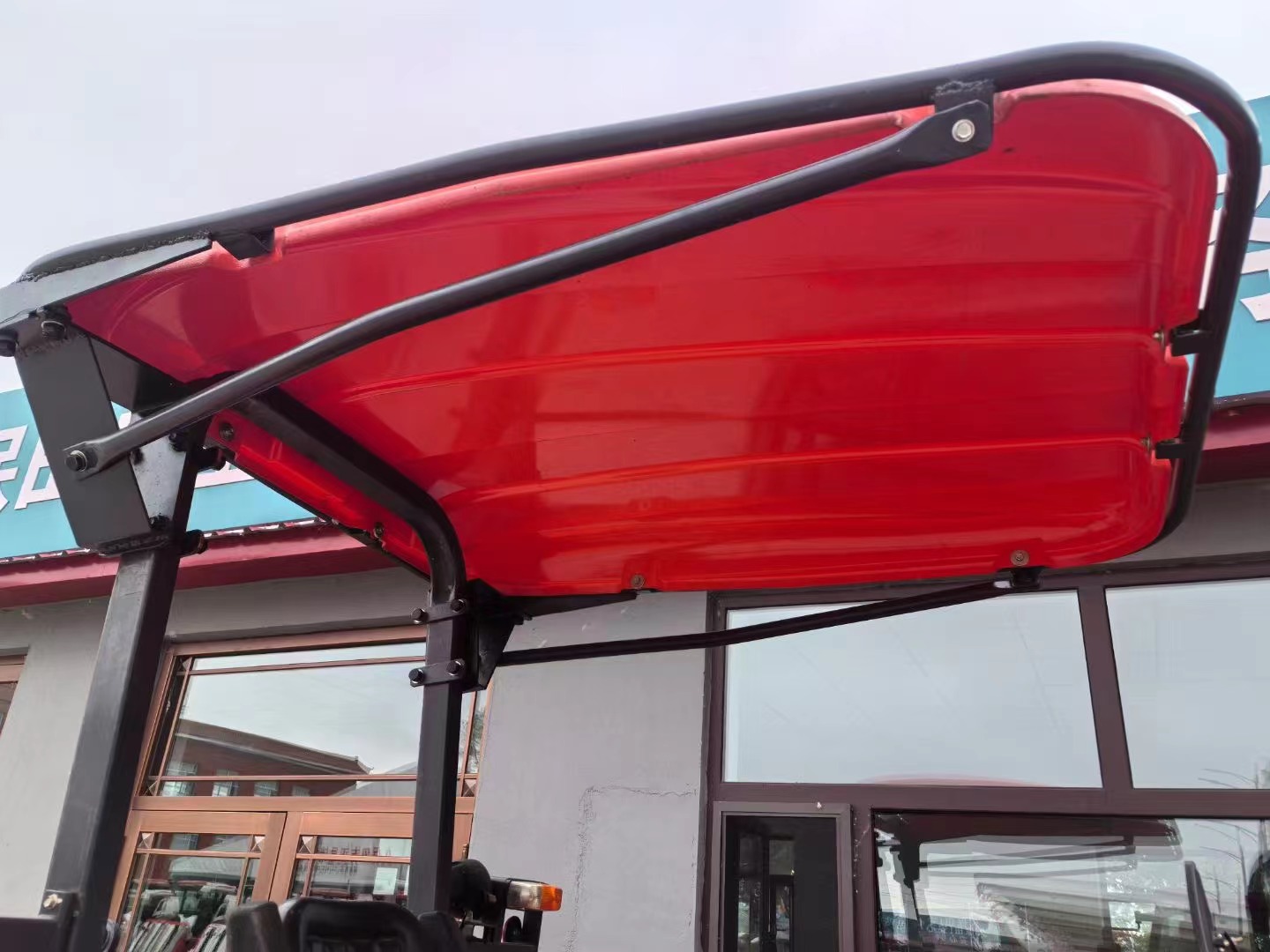
In automotive, ABS is used for dashboards, interior panels, and trim. Medical devices rely on ABS for housings and trays. Construction uses it for pipes, fittings, and roofing sheets. Consumer goods like luggage, toys, and kitchen appliances often contain ABS. The electronics industry employs ABS sheets for enclosures and control panels.
How to Choose Between ABS Sheets and Rolls
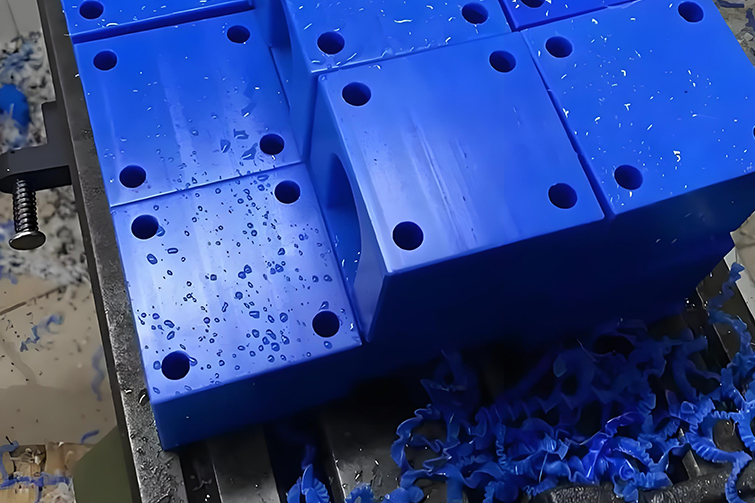
Consider your production method: For vacuum forming or thermoforming, rolls offer continuous length and cost efficiency. For CNC machining or laser cutting, sheets provide flatness and stability. Thickness matters: thin rolls for flexible parts, thick sheets for structural components. Always check supplier specifications for temperature and UV resistance.
Fabrication Tips for ABS Sheets and Rolls
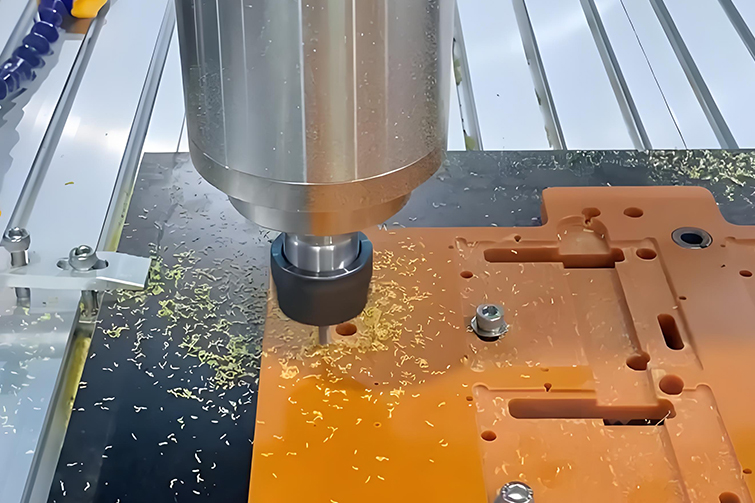
ABS is easy to work with: cut using saws or lasers, bend with heat guns, and join with solvent cement or adhesives. For thermoforming, heat to 100-150°C. Avoid overheating as it can degrade the material. Surface preparation improves paint adhesion. Use sharp tools for clean edges to prevent cracking.
Common Questions About ABS Sheets and Rolls
Q: Are ABS sheets and rolls weather-resistant?
A: Standard ABS has limited UV resistance; UV-stabilized grades are available for outdoor use. For prolonged exposure, consider painting or laminating.
Q: Can ABS be glued to other plastics?
A: Yes, with cyanoacrylate or epoxy adhesives. Ensure surfaces are clean and roughened for best bond.
Q: What is the maximum temperature for ABS?
A: Continuous use up to 80°C; short-term exposure to 100°C. Higher temperatures can cause deformation.
Related Posts