




Applications of Plastic Sheet Processing Across Industries
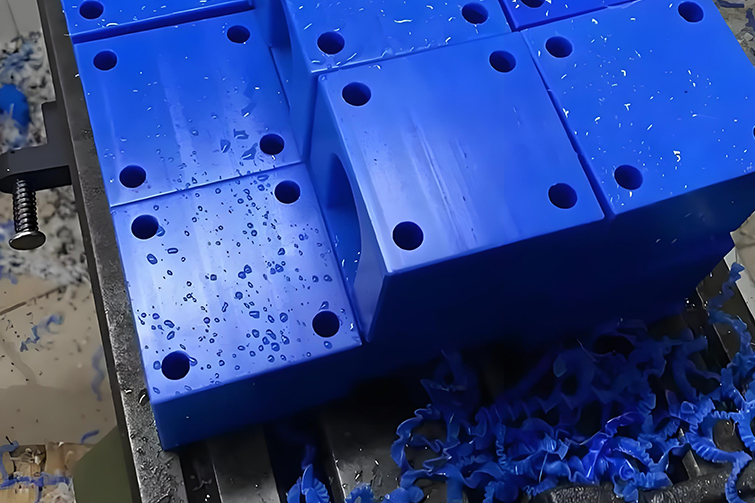
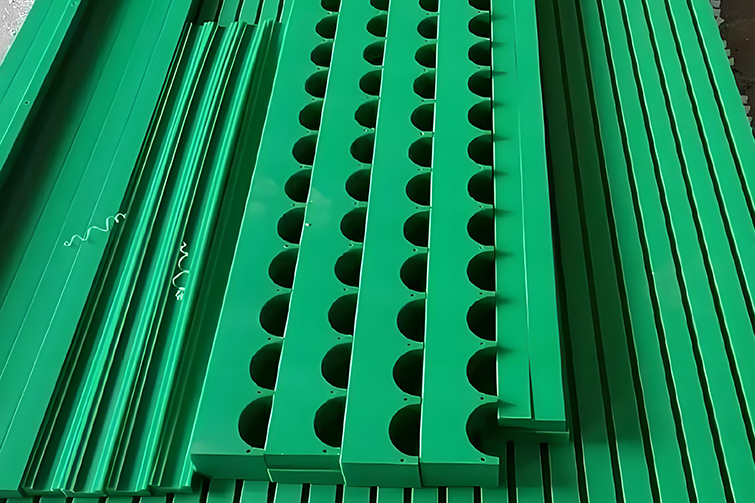
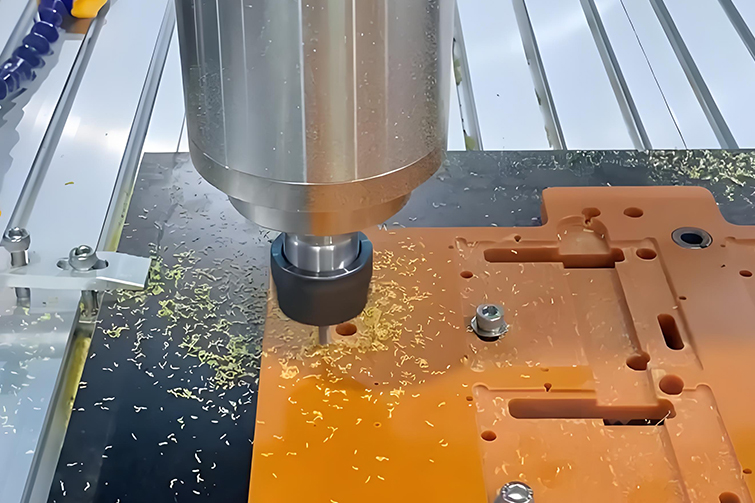
Plastic sheet processing has evolved into a cornerstone of modern manufacturing, enabling the production of lightweight, durable, and cost‑effective components across nearly every industrial sector. Through extrusion, thermoforming, cutting, bending, welding, and surface finishing, flat plastic sheets are transformed into functional parts, structural elements, and aesthetic products that shape daily life and industrial progress. Supported by versatile materials including PVC, PET, PP, HDPE, polycarbonate, acrylic, and ABS, plastic sheet processing delivers tailored performance—from food safety and medical sterility to structural strength and weather resistance—making it indispensable in today’s economy.
The packaging industry remains the largest consumer of processed plastic sheets, accounting for a major share of global demand. Thermoformed PET, PVC, PP, and HIPS sheets produce blister packs, clamshells, food trays, disposable containers, and retail packaging that preserve freshness, extend shelf life, and enhance product visibility. Food‑grade sheets meet strict hygiene standards, while barrier formulations protect pharmaceuticals, electronics, and consumer goods from moisture, dust, and static damage. Vacuum forming and die cutting enable high‑volume, consistent production, supporting fast‑moving consumer goods and supply chain efficiency. Plastic packaging reduces material waste compared to alternatives, lowers transportation weight, and improves logistics sustainability.
In construction and architecture, plastic sheet processing has redefined building materials by offering lightweight, corrosion‑resistant, low‑maintenance alternatives to wood, metal, and glass. Polycarbonate and acrylic sheets serve as skylights, daylight panels, and safety glazing, balancing transparency with impact resistance. PVC and HDPE sheets are used for wall cladding, roofing membranes, partition panels, moisture barriers, and concrete formwork, enhancing durability and reducing construction time. Decorative acrylic and ABS sheets add aesthetic value for interior finishes, signage substrates, and display fixtures. These plastic solutions improve energy efficiency, resist weathering, and support modular and sustainable building designs.
The automotive and transportation sector relies on plastic sheet processing to reduce vehicle weight, improve fuel efficiency, and enhance interior comfort. Thermoformed and machined ABS, PP, and composite sheets create door panels, dashboard components, trunk liners, seat backs, and protective trim. Lightweight plastic parts cut overall weight without sacrificing strength, supporting electric vehicle development. HDPE and reinforced plastic sheets produce truck bed liners, protective dunnage, and mass‑transit interior panels that withstand heavy use and harsh environments. Plastic sheet components also simplify recycling and support circular‑economy goals in automotive manufacturing.
Electrical and electronics manufacturing depends on processed plastic sheets for insulation, structural support, and device protection. Flame‑retardant ABS, PVC, and engineered plastic sheets form enclosures, control panels, mounting brackets, and insulating layers for home appliances, industrial equipment, and consumer electronics. Anti‑static and ESD‑safe sheets protect sensitive circuit boards and electronic assemblies during production, shipping, and operation. Plastic sheets offer excellent electrical insulation, dimensional stability, and design flexibility, enabling compact, reliable, and aesthetically consistent electronic products.
The medical and healthcare sector demands strict material purity and process control, both met by advanced plastic sheet processing. Medical‑grade PETG, PVC, and polypropylene sheets are formed into sterile packaging, surgical trays, diagnostic device components, disposable tools, and protective barriers. These materials are non‑toxic, chemical‑resistant, and compatible with sterilization methods, ensuring patient safety and regulatory compliance. Precision cutting and thermoforming produce consistent, hygienic parts that support hospitals, laboratories, and pharmaceutical supply chains.
Agriculture, marine, and industrial sectors further expand the reach of plastic sheet processing. HDPE and corrosion‑resistant sheets create water troughs, greenhouse panels, silo liners, and irrigation components for modern agriculture. In marine applications, UV‑stabilized plastic sheets form boat liners, dock fenders, flotation parts, and waterproof structures. Industrial uses include machine guards, chemical tank liners, conveyor components, and geomembranes for waste containment and environmental protection. These robust plastic solutions outperform metal and wood in harsh conditions, lowering maintenance costs and extending service life.
Advertising, retail, and consumer goods also benefit from the versatility of plastic sheet processing. Acrylic, PVC, and polystyrene sheets serve as substrates for billboards, safety signs, POP displays, and decorative panels, supporting high‑quality printing and long‑term outdoor use. Thermoformed and finished plastic parts appear in furniture, stationery, home goods, and recreational products, combining design freedom with affordability.
Looking ahead, plastic sheet processing will continue to grow driven by innovation in sustainable materials, circular manufacturing, and smart production. Recyclable, bio‑based, and biodegradable sheets reduce environmental impact, while automated extrusion, digital cutting, and in‑line quality control boost efficiency and consistency. As industries demand lighter, stronger, and more eco‑friendly components, processed plastic sheets will remain a preferred solution across packaging, construction, automotive, electronics, medical, and industrial fields.
In summary, plastic sheet processing is a versatile, adaptive manufacturing technology that powers essential sectors worldwide. By combining material science, engineering precision, and scalable production, it delivers components that are functional, economical, and sustainable. From food packaging to building infrastructure, medical devices to automotive parts, processed plastic sheets are woven into the fabric of modern society, supporting progress, efficiency, and quality of life.
Related Posts