




Mastering Extra Long Thick Vacuum Forming: Techniques, Applications, and Best Practices
Understanding Extra Long Thick Vacuum Forming
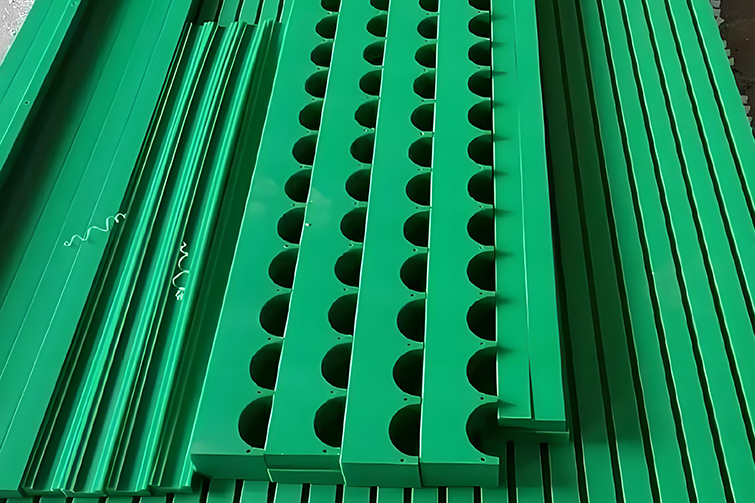
Vacuum forming is a thermoforming process where a plastic sheet is heated and formed over a mold using vacuum pressure. Extra long thick vacuum forming refers to working with sheets longer than 2 meters and thicker than 3mm. This requires specialized machinery and expertise to ensure uniform heating and consistent wall thickness. The process is ideal for producing large panels, enclosures, and industrial components that demand structural integrity and durability.
Key Considerations for Material Selection
Choosing the right material is critical for success. ABS offers impact resistance, HDPE provides chemical resistance, and polycarbonate delivers high strength. For extra thick sheets, PVC and acrylic are also common. Thicknesses up to 12mm are achievable, but heating times must be adjusted to prevent scorching. Pre-drying materials like ABS prevents bubbles, while polycarbonate requires slower heating to avoid degradation.
Designing Molds for Thick Sheets
Mold design significantly affects part quality. Use aluminum or epoxy molds with proper draft angles (4-7 degrees) to ease part removal. For deep draws, incorporate draw rings or plug assist to prevent thinning. Vacuum holes should be placed in corners and deep recesses, with diameters of 0.5-1mm to avoid marking the part. Thermal management is crucial: molds with integrated water channels maintain consistent temperature and reduce cycle time.
Heating and Forming Techniques
Heating extra long thick sheets requires precise control. Use ceramic or quartz heaters with zone control to avoid hot spots. The sheet should be heated to 140-180°C (depending on material) and held 10-20% longer than standard sheets. A vacuum table with a sealing frame ensures proper pressure. For complex shapes, pressure forming (applying compressed air from above) can enhance detail. Cooling evenly with fans or misting prevents warping.
Applications Across Industries
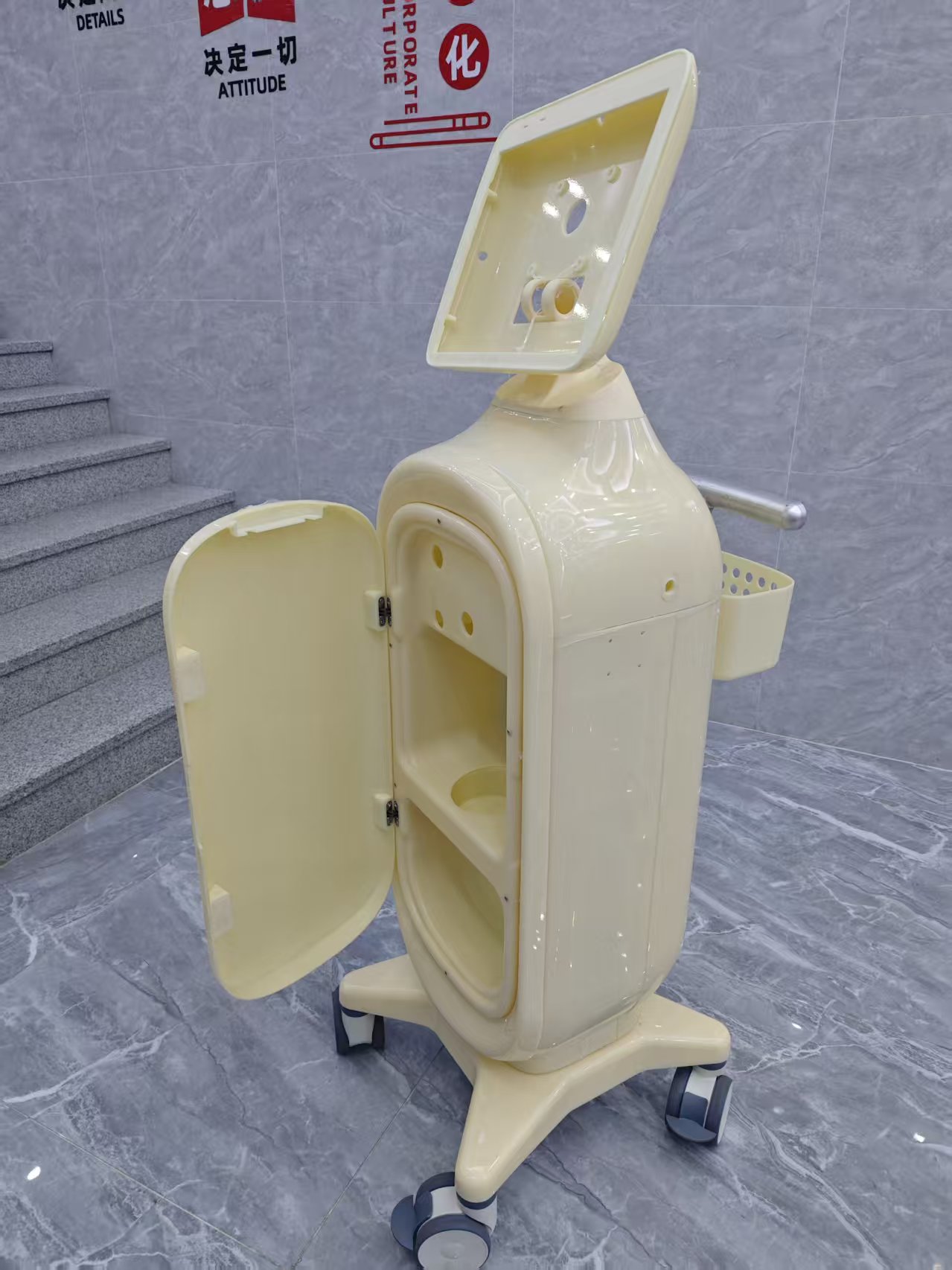
Extra long thick vacuum forming is used in automotive for truck bed liners, in construction for signage and skylights, and in medical for large equipment housings. Aerospace benefits from lightweight panels, and marine applications include boat hulls. The process is cost-effective for low-to-medium production runs compared to injection molding.
Common Challenges and Solutions
Thinning: Use plug assist or pre-stretching. Warping: Ensure uniform cooling and annealing. Webbing: Reduce sheet overhang. Sink marks: Increase vacuum pressure. Bubbles: Pre-dry materials. Sticking: Apply mold release. Scorching: Lower heater temperature or increase distance.
Maintenance and Quality Control
Regularly clean vacuum holes and heaters. Inspect molds for wear. Test thickness with ultrasound gauges. Document parameters for repeatability. Implement statistical process control to monitor key attributes like surface finish and dimensional accuracy.
Frequently Asked Questions
What is the maximum thickness for vacuum forming?Commercial machines can handle up to 12mm or more, but practical limits depend on material and part geometry.
How do you prevent thinning in deep draws?Use plug assist, drape forming, or pre-stretching to distribute material evenly.
Can I use 3D printed molds for extra long parts?Yes, but they must be reinforced and sealed to withstand heat and vacuum.
What is the cycle time for thick sheet forming?It varies from 30 seconds to several minutes, primarily determined by heating and cooling phases.
Related Posts