




Mastering Thick Sheet Vacuum Forming Processing: Techniques, Benefits, and Best Practices
What is Thick Sheet Vacuum Forming Processing?
Thick sheet vacuum forming is a specialized thermoforming technique that uses plastic sheets typically ranging from 3 mm to 12 mm in thickness. Unlike thin-gauge vacuum forming, this process requires more robust equipment and longer heating and cooling cycles. The key steps include: heating the sheet to a pliable temperature, forming it over a mold using vacuum pressure, and then cooling to retain the shape. Common materials include ABS, polycarbonate, acrylic, and HDPE, chosen for their strength and impact resistance.
Key Advantages of Thick Sheet Vacuum Forming
This process offers several benefits over other manufacturing methods. Low tooling costs make it ideal for low-to-medium volume production, as molds can be made from wood, aluminum, or epoxy. Large part sizes are achievable, with some machines capable of forming sheets up to 4 meters in length. Additionally, the process allows for fast turnaround times, especially for prototypes. Unlike injection molding, thick sheet vacuum forming does not require expensive metal molds, reducing initial investment significantly.
Critical Process Parameters
Successful thick sheet vacuum forming depends on precise control of several parameters. Heating temperature must be carefully calibrated to avoid burning the plastic while ensuring even softening. Oven settings vary by material: for example, ABS typically requires 160-180°C, while polycarbonate needs 180-220°C. Vacuum level should be sufficient to draw the sheet tightly around the mold, usually 0.6 to 0.8 bar. Cooling rate affects part shrinkage and warpage; gradual cooling with ambient air or mist is recommended to maintain dimensional stability.
Material Selection Criteria
Choosing the right material is crucial for performance. ABS offers excellent impact resistance and is easy to form, making it a top choice for automotive and appliance parts. Polycarbonate provides high heat resistance and optical clarity, suitable for machine guards and skylights. Acrylic is valued for its gloss and UV stability, often used in signage and display cases. HDPE is chemically resistant and used for chemical tanks and containers. For fire-rated applications, consider PVC or special grades like FRP (fire-resistant polyester).
Design Guidelines for Thick Sheet Parts
To achieve defect-free parts, designers must follow specific rules. Uniform wall thickness is difficult to maintain; a minimum draft angle of 2-3 degrees helps release the part from the mold. Sharp corners should be avoided; instead, use radii of at least 3 times the sheet thickness to prevent stress concentration. Undercuts require split molds or secondary operations, increasing cost. Texture can be applied to the mold surface to improve grip or aesthetics. Additionally, shrinkage allowance of 0.5% to 1% must be factored into mold dimensions.
Applications Across Industries
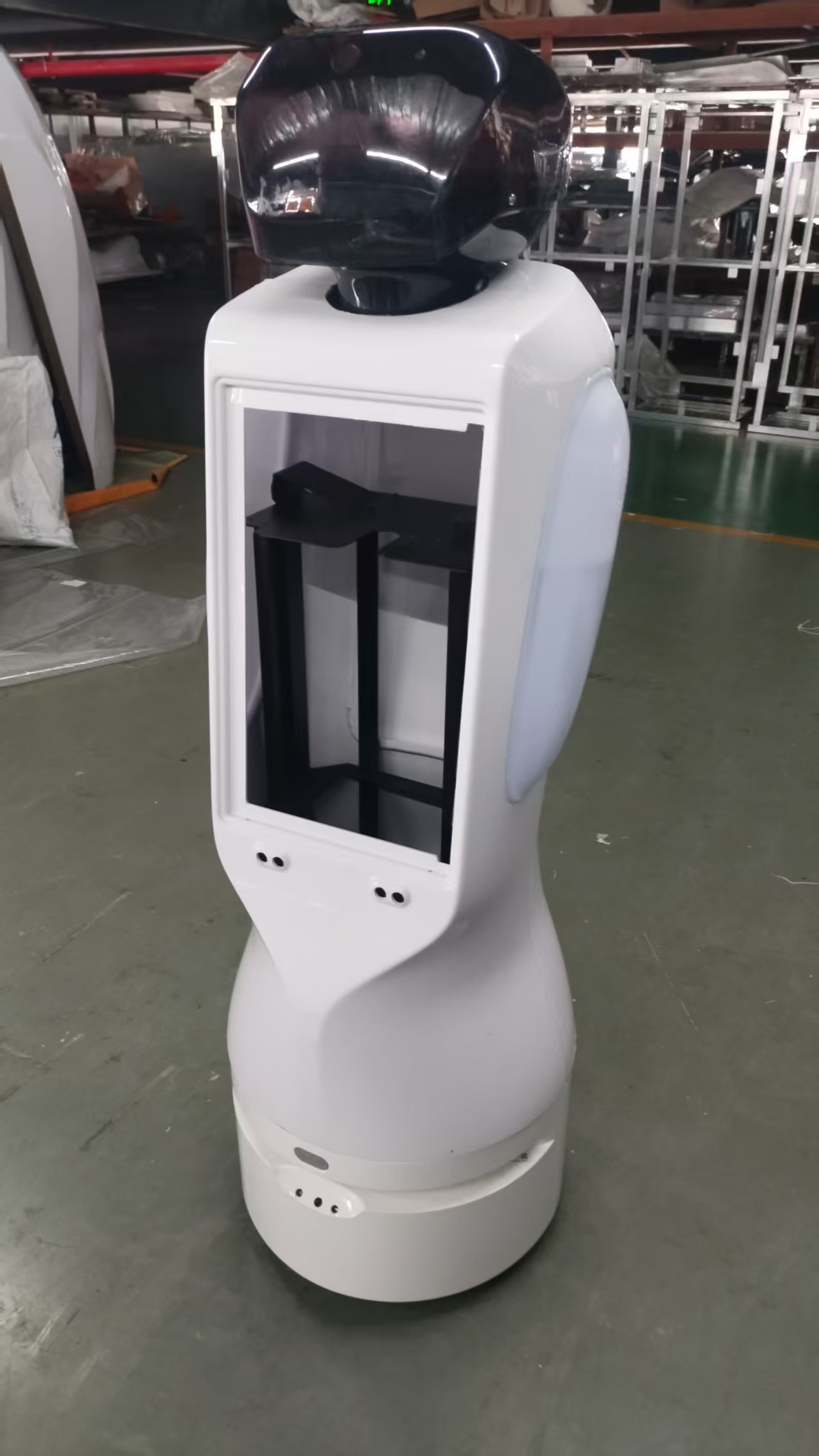
Thick sheet vacuum forming is widely used in: Automotive – dashboards, interior panels, and bumpers. Aerospace – interior cabin components and fairings. Medical – MRI machine housings and bed frames. Construction – bathtubs, shower trays, and skylights. Retail and signage – point-of-purchase displays and large letters. The ability to produce large, lightweight parts with good surface finish makes it a go-to process for many industries.
Troubleshooting Common Issues
Webbing occurs when the sheet bridges into tight corners; increase vacuum holes or local heating. Blistering results from trapped moisture; pre-dry the material. Sink marks indicate cooling shrinkage; adjust cooling time or mold temperature. Warpage can be minimized by uniform cooling and part design symmetry. Thin walls in deep draws require thicker starting sheet or plug assist forming.
Future Trends and Innovations
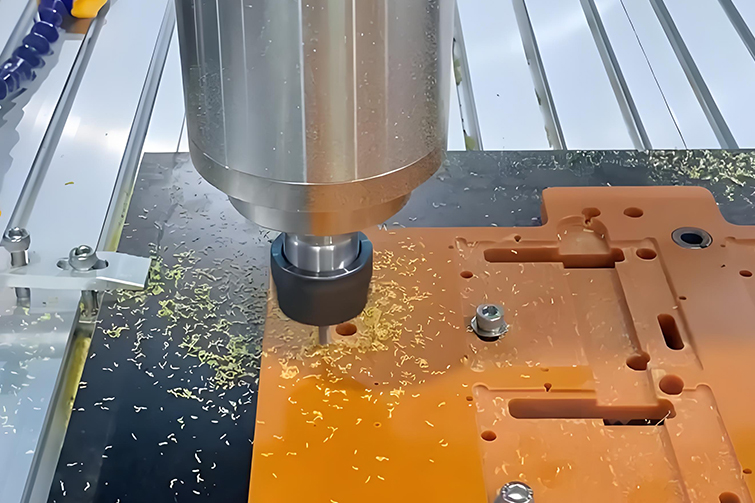
Advances in CNC machining allow for precise mold fabrication, improving part quality. Robotic loading/unloading enhances repeatability and safety. Sustainable materials like recycled PETG and bio-based plastics are gaining traction. In-line quality monitoring using sensors ensures consistency. As demand for customization grows, thick sheet vacuum forming remains a flexible and cost-effective solution.
Frequently Asked Questions
What is the maximum sheet size for thick sheet vacuum forming?
Typical machines handle sheets up to 3000 x 2000 mm, but custom machines can accommodate larger dimensions.
How does thick sheet vacuum forming compare to injection molding?
Vacuum forming has lower tooling costs and faster production start-up, but higher per-part cost and lower repeatability for complex geometries.
Can thick sheet vacuum forming produce parts with textured surfaces?
Yes, textures can be applied to the mold surface, transferring to the part during forming.
What is the typical lead time for thick sheet vacuum forming?
From design to production, lead times range from 2-6 weeks depending on mold complexity and material availability.
Is thick sheet vacuum forming suitable for high-volume production?
It is best suited for low to medium volumes (up to 10,000 parts per year). For higher volumes, injection molding may be more cost-effective.
Related Posts