




Mastering Thick Plate Vacuum Forming: A Comprehensive Guide
Introduction to Thick Plate Vacuum Forming
Thick plate vacuum forming is a specialized thermoforming process that uses plastic sheets typically thicker than 3 mm (1/8 inch). Unlike conventional vacuum forming, which often uses thin materials, thick plate forming requires more powerful equipment and precise temperature control. The process involves heating a thick plastic sheet until it becomes pliable, then stretching it over a mold and applying vacuum to create a close-fitting part. This method is ideal for producing robust components that can withstand mechanical stress, such as automotive panels, medical device housings, and industrial trays.
Key Advantages of Thick Plate Vacuum Forming
Thick plate vacuum forming offers several distinct advantages over other manufacturing methods, including injection molding and CNC machining. First, it has lower tooling costs, as molds can be made from materials like aluminum or wood, making it cost-effective for low to medium production runs. Second, the process can accommodate large part sizes, with sheet widths up to 4 feet or more. Third, thick plate parts exhibit excellent strength-to-weight ratios, especially when using materials like ABS, polycarbonate, or HDPE. Additionally, the technique allows for rapid prototyping and design iterations, reducing time to market.
Material Selection for Thick Plate Vacuum Forming
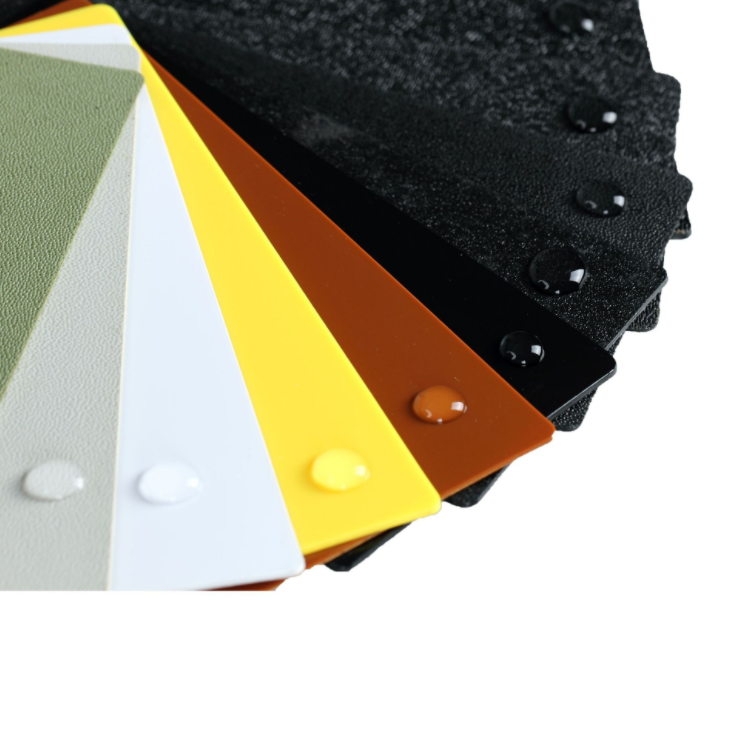
Choosing the right material is critical for successful thick plate vacuum forming. Commonly used thermoplastics include: ABS, known for its impact resistance and good finish; Polycarbonate (PC), offering high strength and transparency; High-Density Polyethylene (HDPE), valued for its chemical resistance and low cost; and Acrylic (PMMA), which provides excellent clarity and UV stability. For demanding applications, specialty materials like PC/ABS blends or flame-retardant grades are available. It is essential to consider factors such as mold shrinkage, operating temperature, and desired mechanical properties when selecting a material.
Equipment and Process Parameters
Thick plate vacuum forming requires robust machinery, typically with higher heating capacity and stronger vacuum systems. The key process parameters include: heating time and temperature – thick plates require longer heating cycles (often 5–15 minutes) to ensure uniform temperature throughout the material. Vacuum level must be sufficient to pull the material tightly against the mold, usually 20–28 inches of mercury. Mold temperature control (often 50–80°C for many plastics) helps prevent premature cooling and improves part quality. Additionally, Plug assist or pressure forming may be used for deep draws or complex geometries.
Design Considerations for Thick Plate Parts
When designing parts for thick plate vacuum forming, several rules apply. Draft angles of at least 3–5 degrees are required to allow easy part removal. Corner radii should be generous (at least the material thickness) to reduce stress concentrations. Undercuts are generally avoided unless using split molds or secondary operations. Ribbing and structural features can be incorporated for added rigidity. The draw ratio (depth vs. width) should be minimized to prevent excessive thinning; a ratio of 1:1 is typical, but deeper draws are possible with careful control.
Applications in Various Industries
Thick plate vacuum forming is widely used across industries. In automotive, it produces interior panels, dashboards, and under-hood components. In medical, it forms durable housings for diagnostic equipment and wheelchairs. Aerospace applications include cabin interior parts and cargo liners. Industrial uses encompass machine guards, hoppers, and pallets. The process is also popular for signage and point-of-purchase displays, where large, lightweight parts are needed.
Common Challenges and Solutions
Common issues in thick plate vacuum forming include webbing (thin, stressed areas), bridging (material not fully contacting the mold), and sinking due to uneven cooling. Solutions involve adjusting heating patterns, using pre-stretching techniques, and optimizing vacuum ports. Proper ventilation in the mold cavity prevents trapped air. For thick materials, post-process cooling under pressure can minimize warpage.
常見問題
What is the maximum thickness for thick plate vacuum forming?Most standard machines can handle sheets up to 1/2 inch (12.5 mm), but specialized equipment can process up to 1 inch (25 mm) or more. Thicker sheets require longer heating cycles and more powerful vacuum.
How does thick plate vacuum forming compare to injection molding?Vacuum forming has lower tooling costs but longer cycle times. It is more suitable for low-volume production and large parts, while injection molding is better for high-volume, complex geometries with tight tolerances.
Can I achieve tight tolerances with thick plate vacuum forming?Tolerances are typically ±0.010 to ±0.030 inches per foot, depending on material and part design. For higher precision, secondary machining may be needed.
What maintenance is required for a thick plate vacuum former?Regularly clean heating elements and vacuum system, check for worn seals, and calibrate temperature controllers. Mold surfaces should be kept smooth to prevent sticking.
Related Posts