





The Complete Guide to ABS Sheets: Properties, Applications, and Benefits
What Are ABS Sheets?
ABS sheets are flat panels made from the thermoplastic polymer acrylonitrile butadiene styrene. This material combines the strength of acrylonitrile, the impact resistance of butadiene, and the rigidity of styrene, resulting in a tough yet lightweight sheet. ABS sheets are widely used in manufacturing, prototyping, and construction due to their excellent mechanical properties and workability.
Key Properties of ABS Sheets
ABS sheets offer a unique combination of properties that make them suitable for demanding applications. They have high impact strength, meaning they can withstand sudden forces without cracking. The material also provides good rigidity and dimensional stability, ensuring parts hold their shape over time. Additionally, ABS sheets have a low melting point (around 105°C), which makes them easy to form and join using heat. Other notable properties include chemical resistance to dilute acids and alkalis, as well as excellent electrical insulation.
Common Applications of ABS Sheets
Due to their versatility, ABS sheets are found in numerous industries. In automotive manufacturing, they are used for interior panels, dashboard components, and trim pieces. The consumer goods sector employs ABS sheets for appliance housings, luggage, and toys like LEGO bricks. In prototyping and 3D printing, ABS sheets serve as a common filament material, prized for its ease of printing and post-processing. Other applications include ventilation ducts, signage, and protective enclosures for electronics.
Benefits of Using ABS Sheets
Choosing ABS sheets over other materials offers several advantages. First, their excellent impact resistance ensures durability in harsh environments. Second, ABS sheets are easy to fabricate with standard tools—they can be cut, drilled, routed, and thermoformed with minimal effort. Third, they provide a good surface finish that can be painted, glued, or textured without special preparation. Additionally, ABS sheets are recyclable, contributing to sustainability goals. Finally, their cost-effectiveness makes them a popular choice for both small-scale projects and mass production.
How to Work with ABS Sheets
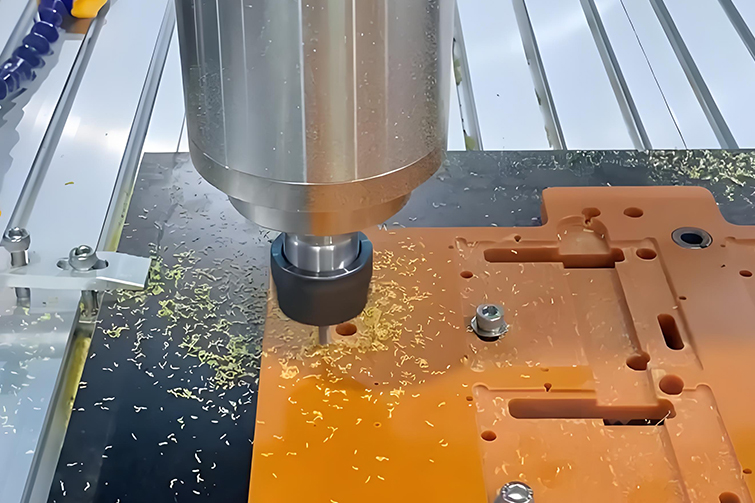
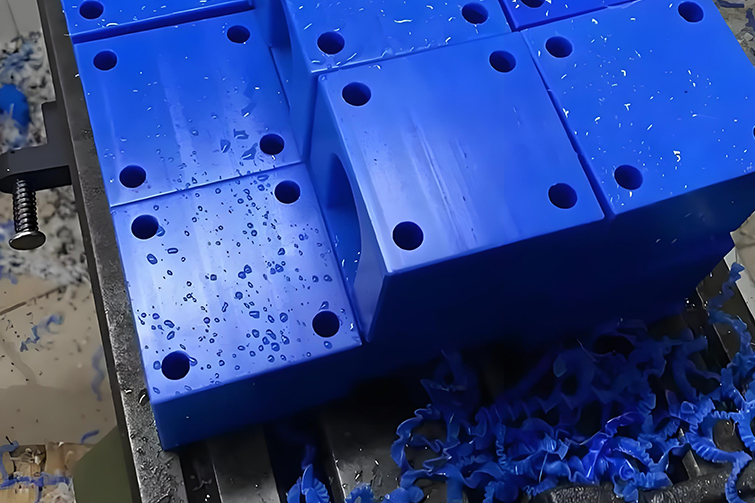
Working with ABS sheets requires attention to material behavior. For cutting, use saws with fine teeth or laser cutters for clean edges. Drilling should be done at low speeds to avoid melting. For bonding, specialized ABS cement or solvent-based adhesives create strong, permanent joints. Thermoforming involves heating the sheet to around 140–160°C until it becomes pliable, then shaping it over a mold. After forming, allow the part to cool slowly to prevent warping. When machining, use sharp tools and adequate cooling to avoid heat buildup, which can cause the material to soften or stick.
Environmental Considerations
While ABS sheets are not biodegradable, they are fully recyclable through mechanical recycling processes. Recycled ABS can be reprocessed into new sheets without significant loss of properties, making it a sustainable option for many applications. However, during production and disposal, it is important to manage emissions properly, as ABS can release toxic fumes when burned. Many manufacturers now offer eco-friendly ABS blends that incorporate recycled content or bio-based additives to reduce environmental impact.
Common Questions About ABS Sheets
Q: Can ABS sheets be used outdoors?
ABS sheets have limited UV resistance, so prolonged exposure to sunlight can cause yellowing and brittleness. For outdoor use, apply a UV-resistant coating or choose an ABS variant with UV stabilizers.
Q: How do I clean ABS sheets?
Clean ABS sheets with mild soap and water. Avoid harsh solvents like acetone or gasoline, as they can damage the surface. For stubborn dirt, use isopropyl alcohol sparingly.
Q: Are ABS sheets food safe?
Standard ABS sheets are not FDA-approved for direct food contact. However, food-grade ABS formulations are available for specific applications like cutting boards or food storage containers.
Q: What thicknesses are available for ABS sheets?
ABS sheets come in a wide range of thicknesses, typically from 0.5 mm to 12 mm, with custom sizes available for industrial orders.
Related Posts