




The Ultimate Guide to 0.2mm ABS Sheets and Wide ABS Sheets: Properties, Uses, and Buying Tips
Understanding ABS Sheets: The Basics
ABS (Acrylonitrile Butadiene Styrene) is a thermoplastic polymer known for its excellent impact resistance, toughness, and machinability. ABS sheets are available in various thicknesses, with 0.2mm ABS sheets and wide ABS sheets being popular choices for specialized applications. The 0.2mm thickness offers exceptional flexibility and lightweight properties, while wide sheets (often up to 4 feet or more) minimize seams for larger projects.
Properties of 0.2mm ABS Sheets
At just 0.2 millimeters thick, these sheets are remarkably thin yet durable. They exhibit high tensile strength and can withstand repeated bending without cracking. The material is also chemical resistant, making it suitable for laboratory or medical environments. Additionally, 0.2mm ABS sheets have a smooth surface finish that is easy to paint, print on, or laminate. Their lightweight nature reduces shipping costs and makes handling effortless.
Advantages of Wide ABS Sheets
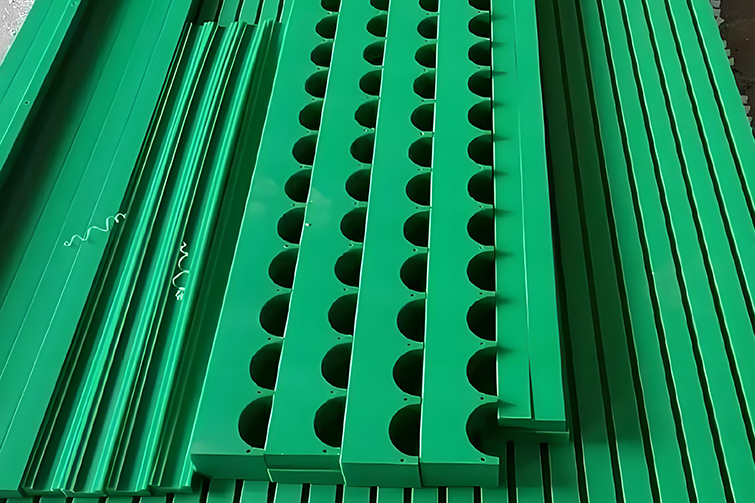
Wide ABS sheets, typically ranging from 48 to 72 inches in width, offer seamless coverage for large surface areas. This eliminates the need for joining multiple narrow sheets, which can create weak points or visible seams. Industries like automotive interior trim, signage, and display manufacturing benefit from wide sheets because they allow for single-piece components. Moreover, wide ABS sheets maintain consistent thickness and color across the entire width, ensuring a uniform appearance.
Common Applications
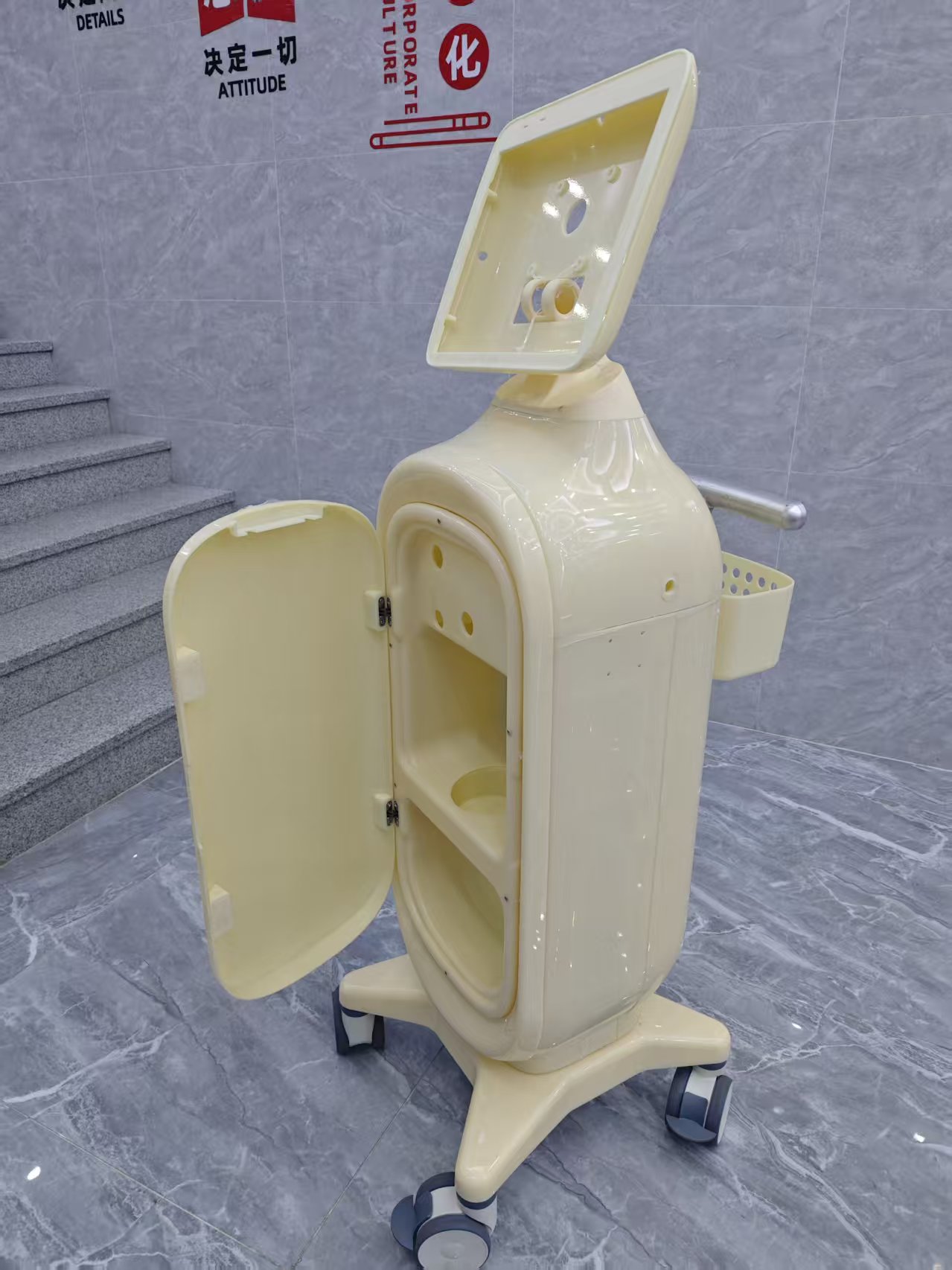
0.2mm ABS sheets are ideal for: model making, vacuum forming prototypes, flexible packaging, stencils, and craft projects. Their thinness allows intricate cuts and detailed molding. On the other hand, wide ABS sheets are used for: wall panels, large machine housings, boat interiors, and exhibition stands. In the medical field, wide ABS sheets serve as operating table covers or radiation shields due to their easy sterilization and impact resistance.
Cutting and Fabrication Tips
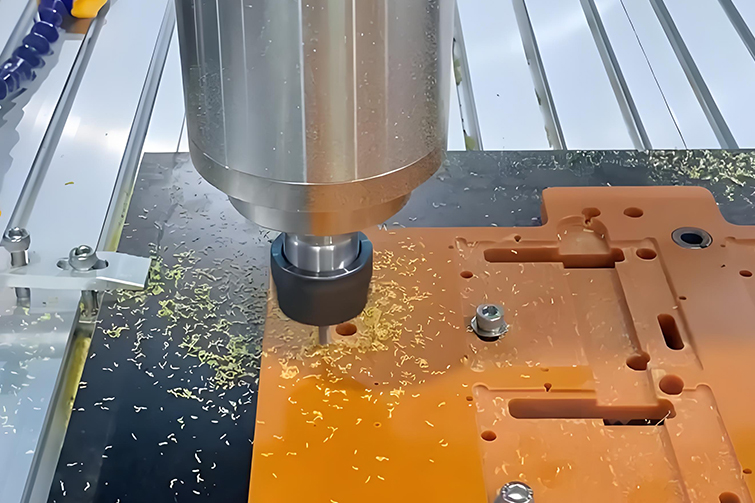
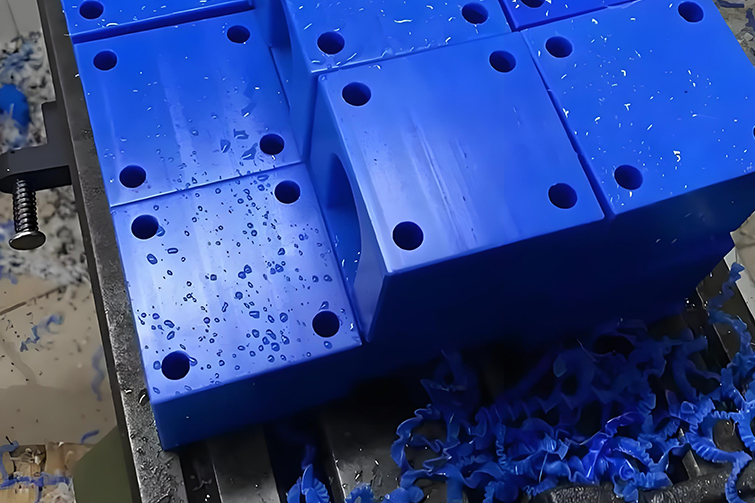
Working with 0.2mm ABS sheets requires care to avoid tearing. Use sharp blades, a ruler, and a cutting mat. For curved cuts, consider laser cutting which produces clean edges. For wide ABS sheets, larger cutting tools like table saws or CNC routers are recommended. Always clamp the sheet securely to prevent vibration. When drilling, use a sharp drill bit and back the sheet with a wooden block to prevent cracking. For bonding, use ABS solvent cement for a strong, seamless joint.
Comparison with Other Materials
Compared to PVC sheets, ABS offers better impact strength and a more flexible feel. Unlike polycarbonate, ABS is easier to machine and less prone to scratching. However, ABS has lower heat resistance than polycarbonate. 0.2mm ABS sheets are more lightweight and flexible than acrylic sheets of the same thickness, but acrylic provides better optical clarity. For wide sheets, ABS is often preferred over fiberglass due to its consistent thickness and ease of fabrication.
Where to Buy and Costs
Purchase 0.2mm ABS sheets and wide ABS sheets from specialty plastic suppliers, online retailers (like Amazon or McMaster-Carr), or local industrial plastic distributors. Prices vary based on thickness, size, and quantity. For bulk orders, expect discounts. A standard 0.2mm sheet in a 2’x4’ size may cost around $10–$20, while wide sheets (4’x8’) can range from $40–$80. Always check for UV-stabilized grades if outdoor use is intended.
Environmental Considerations
ABS is recyclable under certain conditions. However, thin 0.2mm sheets may not be accepted by all recycling facilities. Reuse offcuts for smaller projects. Wide sheets reduce waste by minimizing seams and offcuts. For eco-friendly options, look for post-industrial recycled ABS sheets, which are available from some manufacturers.
Safety Precautions
When cutting or sanding ABS sheets, wear a dust mask to avoid inhaling particles. Work in a ventilated area as fumes from solvent cement can be harmful. For 0.2mm sheets, avoid sharp edges that can cause cuts – sand edges lightly. Store sheets flat to prevent warping. Keep away from direct sunlight or high heat sources to maintain dimensional stability.
常见问题
Can 0.2mm ABS sheets be painted?Yes, they accept paint well. Clean the surface with isopropyl alcohol, use a plastic primer, then apply spray paint or brush-on paint. For best results, use acrylic-based paints.
Are wide ABS sheets flexible enough for curved applications?ABS sheets have moderate flexibility. For gentle curves, they can be cold-bent. For tighter radii, heat bending with a heat gun is recommended. Avoid kinking otherwise the sheet may stress-whiten.
How to clean 0.2mm ABS sheets?Use mild soap and water. Harsh chemicals like acetone or strong solvents can damage the surface. Isopropyl alcohol is safe for cleaning. Avoid abrasive scrubbing as it may cause scratches.
What is the maximum width available for wide ABS sheets?Standard wide ABS sheets come in widths up to 72 inches (6 feet). Custom widths may be available from some manufacturers. Always verify with suppliers for specific dimensions.
Can 0.2mm ABS sheets be laser cut?Yes, laser cutting produces precise edges. Use a CO2 laser with settings suitable for plastic. Ensure adequate ventilation to remove fumes. Note that laser cutting may leave a slight edge char that can be sanded off.
Related Posts