




ABS Sheets vs. ABS Sheets & Rolls: A Complete Guide to Material Selection
What Are ABS Sheets?
ABS sheets are rigid thermoplastic panels made from Acrylonitrile Butadiene Styrene (ABS). This material is renowned for its excellent impact resistance, toughness, and machinability. ABS sheets are typically produced in flat, board-like forms and are widely used in applications such as automotive interiors, electronic enclosures, luggage, and prototyping. They offer a good balance of strength and weight, making them a preferred choice for many industrial and consumer products.
Understanding ABS Sheets & Rolls
ABS sheets and rolls refer to the same base material but in different forms. While standard ABS sheets are rigid and flat, ABS rolls are flexible sheets supplied in roll form, often used for thermoforming, vacuum forming, and packaging. Rolls are typically thinner (0.5 mm to 3 mm) and can be easily cut, shaped, and molded. This format is ideal for mass production of custom parts, such as medical device trays, automotive dashboards, and point-of-purchase displays.
Key Properties of ABS Material
ABS is a terpolymer that combines the strength of acrylonitrile, the toughness of butadiene, and the processability of styrene. Key properties include:
- Impact Resistance: ABS can withstand heavy impacts without cracking.
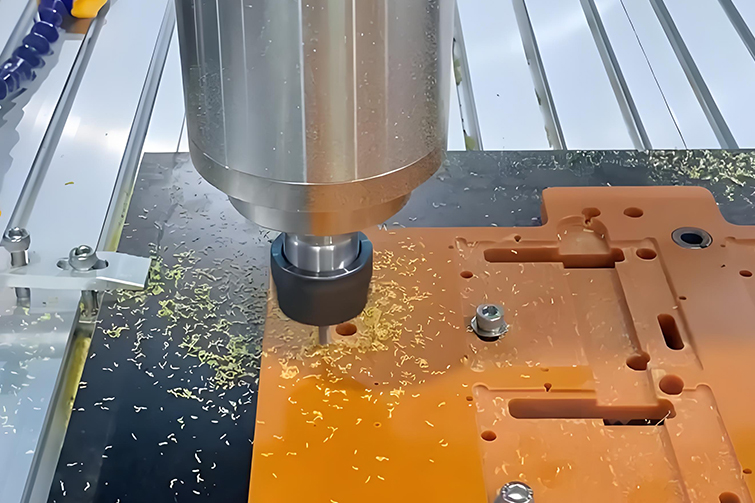
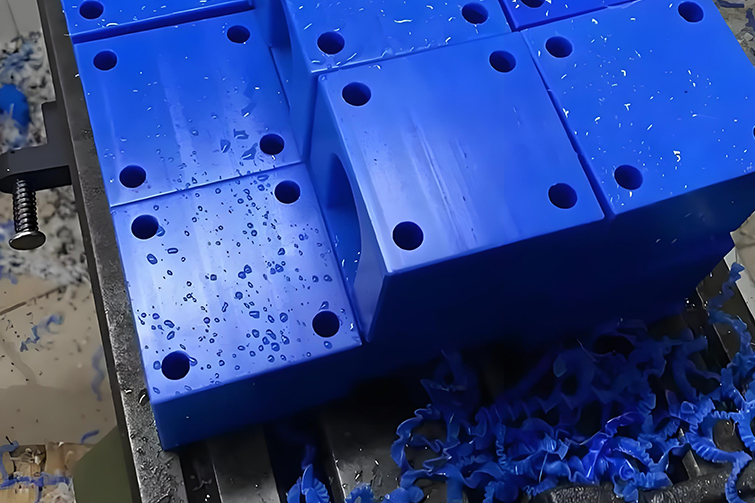
- Machinability: It can be easily cut, drilled, sanded, and glued.
- Heat Resistance: It maintains shape up to 80°C (176°F).
- Chemical Resistance: It resists many acids, alkalis, and oils.
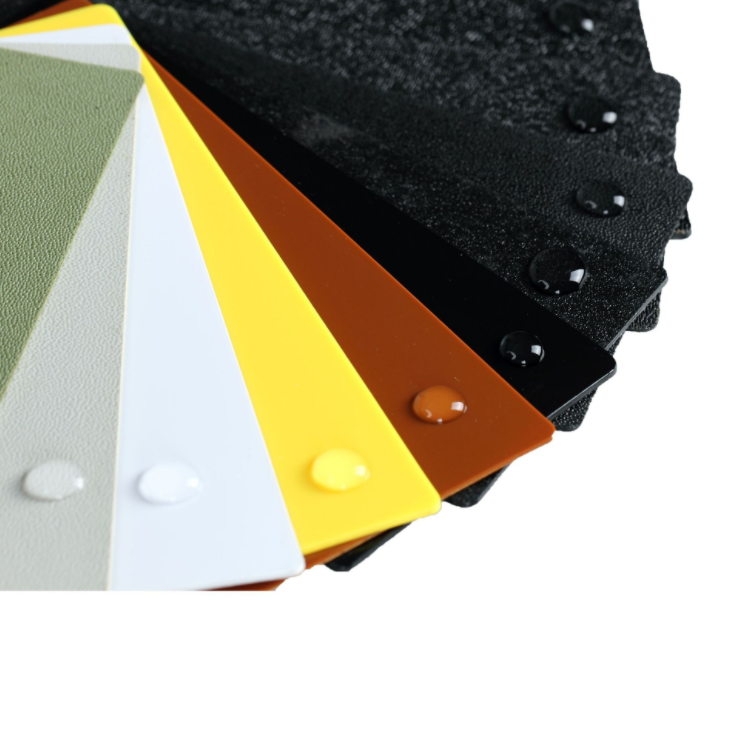
- Surface Finish: It can be painted, printed, or textured.
ABS Sheets vs. ABS Rolls: How to Choose
Choosing between sheets and rolls depends on your application:
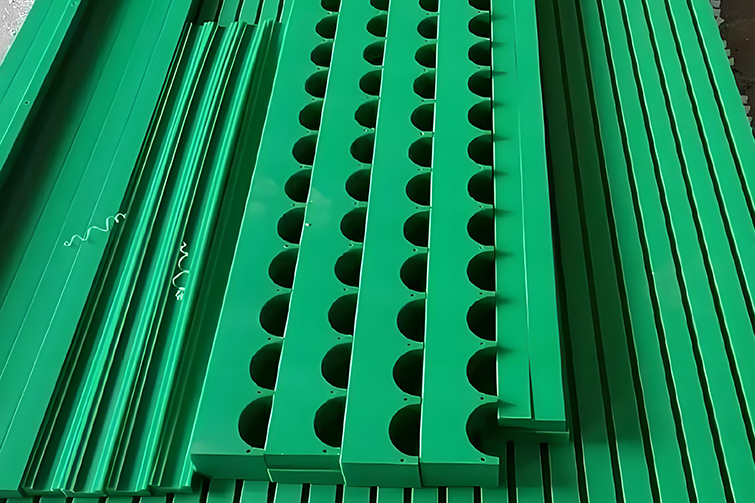
ABS Sheets are best for structural parts requiring rigidity, such as protective guards, machine covers, and enclosures. They are available in thicknesses from 1/16 inch to over 1 inch.
ABS Rolls are ideal for forming processes and thin-walled parts. They are common in plastic fabrication and custom packaging. Rolls save material waste in high-volume production.
Applications of ABS Sheets & Rolls
The versatility of ABS makes it suitable for many industries:
- Automotive: Interior panels, trim, and grilles.
- Electronics: Housings for computers, phones, and appliances.
- Healthcare: Medical device casings and trays.
- Consumer Goods: Luggage, toys, and sporting goods.
- Industrial: Jigs, fixtures, and storage bins.
Working with ABS Sheets and Rolls
Fabrication techniques include:
- Cutting: Use a table saw, laser cutter, or router.
- Bending: Heat with a strip heater or hot air gun.
- Joining: Use cyanoacrylate glue, welding, or screws.
- Forming: Thermoform rolls into complex shapes.
For best results, dry the material before processing (60°C for 2 hours) to prevent bubbles.
Advantages of ABS Over Other Plastics
Compared to polypropylene (PP), ABS offers higher strength and gloss. Against polycarbonate (PC), ABS is less expensive and easier to process. Compared to acrylic, ABS is more impact-resistant and less brittle.
Frequently Asked Questions
What is the difference between ABS sheets and ABS rolls?ABS sheets are rigid panels, while ABS rolls are flexible, thin sheets supplied in rolls for thermoforming and packaging applications.
Can ABS sheets be used outdoors?ABS is not UV-stable. For outdoor use, apply a protective coating or choose UV-stabilized grades.
What thickness should I choose for my project?For structural parts, 3–6 mm is common. For forming parts, 0.5–2 mm works best.
How do I cut ABS sheets cleanly?Use a carbide-tipped blade on a table saw or a laser cutter for precise edges.
Is ABS recyclable?Yes, ABS is thermoplastic and can be recycled, though facilities may be limited.
Related Posts