




The Complete Guide to Long Size Thick Sheet Vacuum Forming: Processes, Benefits, and Applications
What Is Long Size Thick Sheet Vacuum Forming?
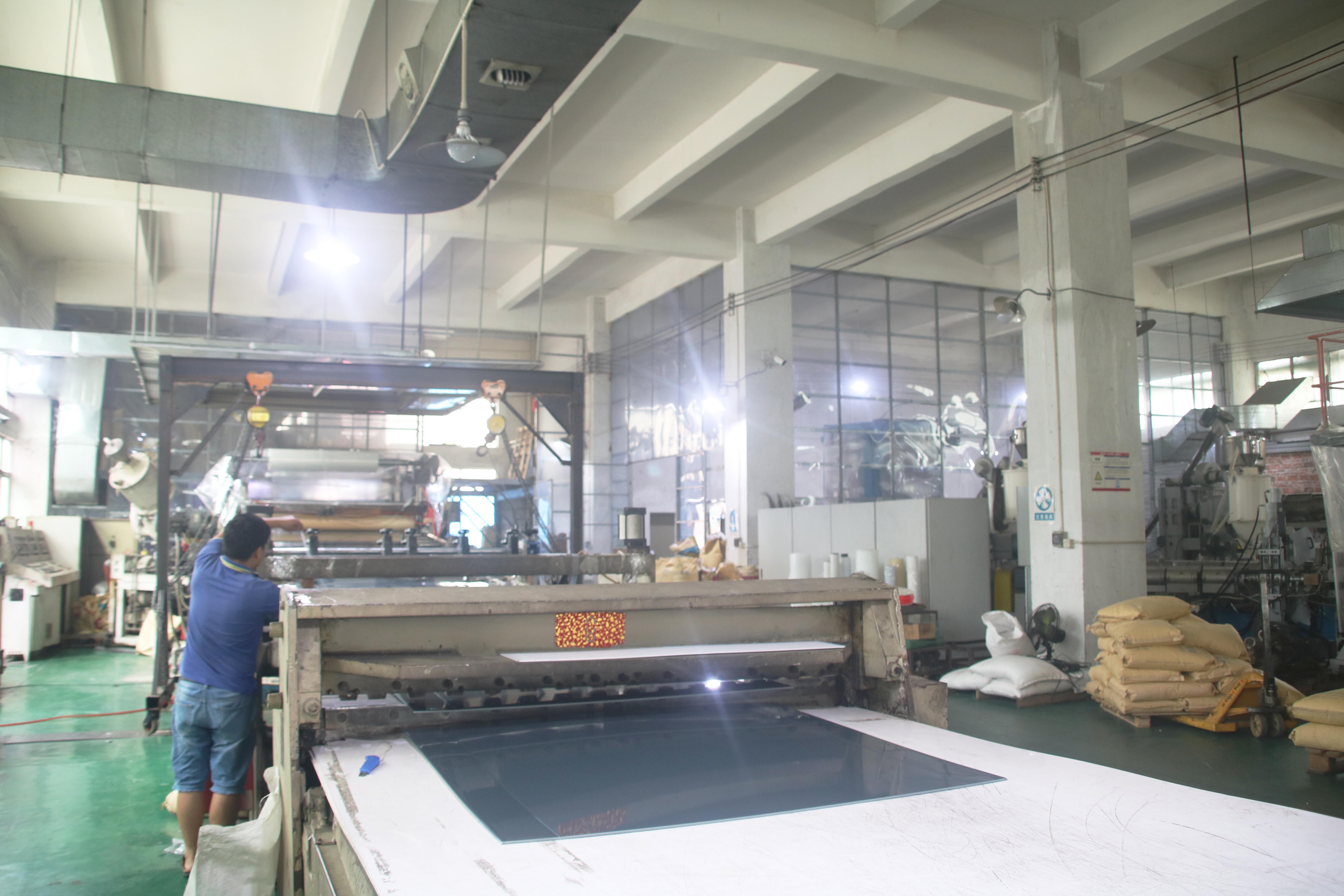
Long size thick sheet vacuum forming is an advanced thermoforming technique that uses thick plastic sheets (typically 3–12 mm or more) and large dimensions (up to several meters in length) to create durable, lightweight parts. Unlike standard vacuum forming, which handles thinner materials, this process requires robust machinery, precise temperature control, and high vacuum pressure to ensure uniform heating and forming without sagging or thinning. The result is a strong, stress-resistant component suitable for structural or aesthetic applications.
The Process: Step by Step
The process begins with a thick plastic sheet, such as ABS, polycarbonate, or HDPE, which is clamped into a frame and heated until soft and pliable. The sheet is then lowered over a large, elongated mold, and a vacuum is applied to suck the material tightly against the mold surface. Cooling fans or sprays solidify the shape, after which the part is trimmed and finished. Key challenges include preventing uneven heating, controlling material flow around deep draws, and avoiding webbing or thinning in corners—all crucial for long size sheets.
Key Advantages for Industrial Applications
Long size thick sheet vacuum forming offers several benefits over other methods like injection molding or CNC machining. It provides cost-effective tooling (molds are often aluminum or wood), low lead times, and the ability to produce large parts without welding or joining. The formed parts exhibit high impact resistance, dimensional stability, and a smooth surface finish. Additionally, the process allows for complex geometries with undercuts and textured surfaces, making it ideal for enclosures, panels, and trays.
Common Materials and Their Properties
Material selection is critical. Acrylonitrile Butadiene Styrene (ABS) offers good impact strength and paintability. Polycarbonate provides high heat resistance and clarity. High-Density Polyethylene (HDPE) is chemical-resistant and suited for outdoor use. Other options include PETG for clarity and toughness, and flame-retardant grades for safety-critical parts. Each material requires specific heating times and temperatures to avoid degradation.
Design Considerations for Success
To achieve optimal results, design for uniform wall thickness by incorporating draft angles (at least 3–5 degrees), generous radii, and minimizing deep draws. Ribs and gussets can enhance stiffness without adding weight. For long size sheets, consider material shrinkage (typically 0.5–1%) and allow for trim allowance. Using CAD simulation tools can predict thinning and warpage, reducing trial-and-error.
Applications Across Industries
In the automotive sector, long size thick sheet vacuum forming produces bumpers, dashboards, and body panels. Aerospace uses it for interior cabin panels, ducting, and radomes. Construction applications include skylights, cladding, and signage. Medical devices, material handling trays, and agricultural equipment also benefit. The ability to create large, one-piece parts reduces assembly costs and improves aesthetics.
Comparing to Other Forming Methods
Compared to injection molding, thick sheet vacuum forming has lower mold costs and is better for low-to-medium volumes. Against CNC machining, it generates less waste and can produce hollow parts. Unlike rotational molding, it offers faster cycle times and better surface detail. However, it may not achieve the same precision or undercut complexity as injection molding.
Quality Control and Common Issues
Common defects include webbing (excess material in corners), thin-out (excessive thinning in deep draws), and warpage (uneven cooling). Solutions involve adjusting heating times, using plug assists, and adding cooling jigs. Regular inspection of sheet thickness, vacuum pressure, and mold temperature ensures consistent quality.
Future Trends
Advances in multilayer forming and in-mold coating are expanding possibilities. Automation and robotic trimming reduce labor costs. Sustainable materials like recycled plastics and bio-based sheets are gaining traction, aligning with environmental goals.
常见问题
What is the maximum size for thick sheet vacuum forming?
Commercially, sheets up to 3 m × 6 m and thicknesses up to 12 mm are common, but custom machines can handle larger dimensions.
How long does a typical cycle take?
Cycle times vary from 5 to 20 minutes depending on thickness, area, and cooling requirements. Thick sheets require longer heating and cooling phases.
Can it form materials with high heat resistance?
Yes, materials like polycarbonate (up to 135°C) and PEEK (advanced) are formable, but specialized ovens and molds may be needed.
Is it cost-effective for prototyping?
Yes, due to low tooling costs, it is ideal for prototypes and short runs. Many companies use it for bridge production until volumes justify hard tooling.
Related Posts