




The Complete Guide to ABS Plastic Sheets: Properties, Applications, and Benefits
What Is ABS Plastic Sheet?
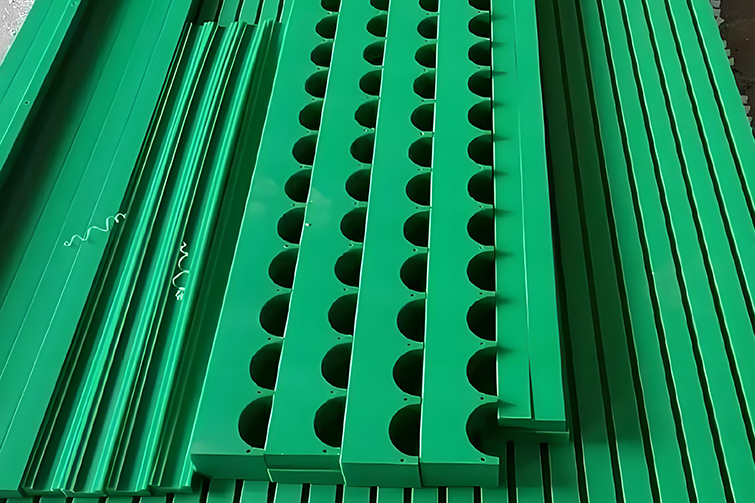
ABS plastic sheet is a tough, impact-resistant thermoplastic made from acrylonitrile, butadiene, and styrene monomers. It combines the strength of acrylonitrile and styrene with the resilience of butadiene rubber, resulting in a material that offers excellent mechanical properties and ease of processing. ABS sheets are available in various thicknesses, colors, and surface finishes, making them suitable for a wide range of applications from automotive parts to consumer goods.
Key Properties of ABS Plastic Sheets
ABS sheets are known for their exceptional balance of properties. Impact resistance is one of the most notable features, as the butadiene content provides toughness even at low temperatures. The material also offers good stiffness, dimensional stability, and resistance to chemicals like acids, alkalis, and oils. Additionally, ABS has a low melting point (around 105°C) which makes it easy to thermoform and machine. Its surface can be easily printed, painted, or glued, enhancing its versatility. However, it has poor UV resistance unless specially treated, and it is flammable without additives.
Manufacturing Processes for ABS Sheets
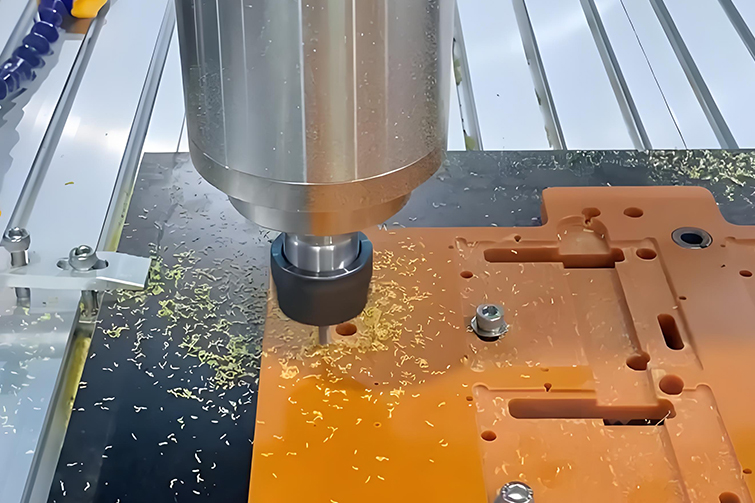
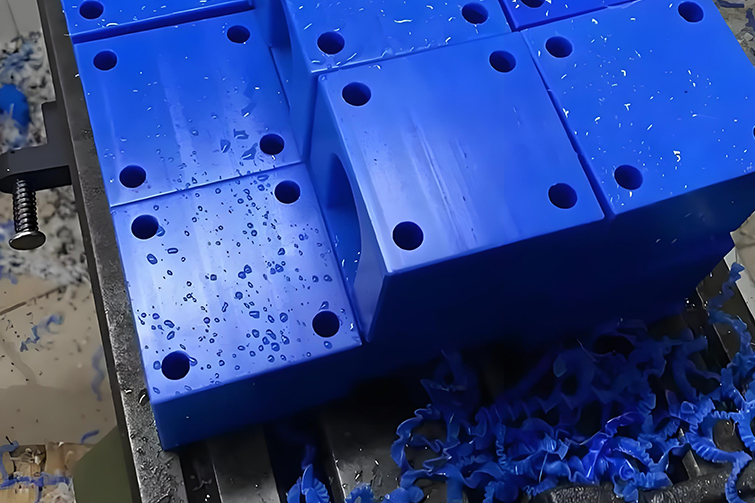
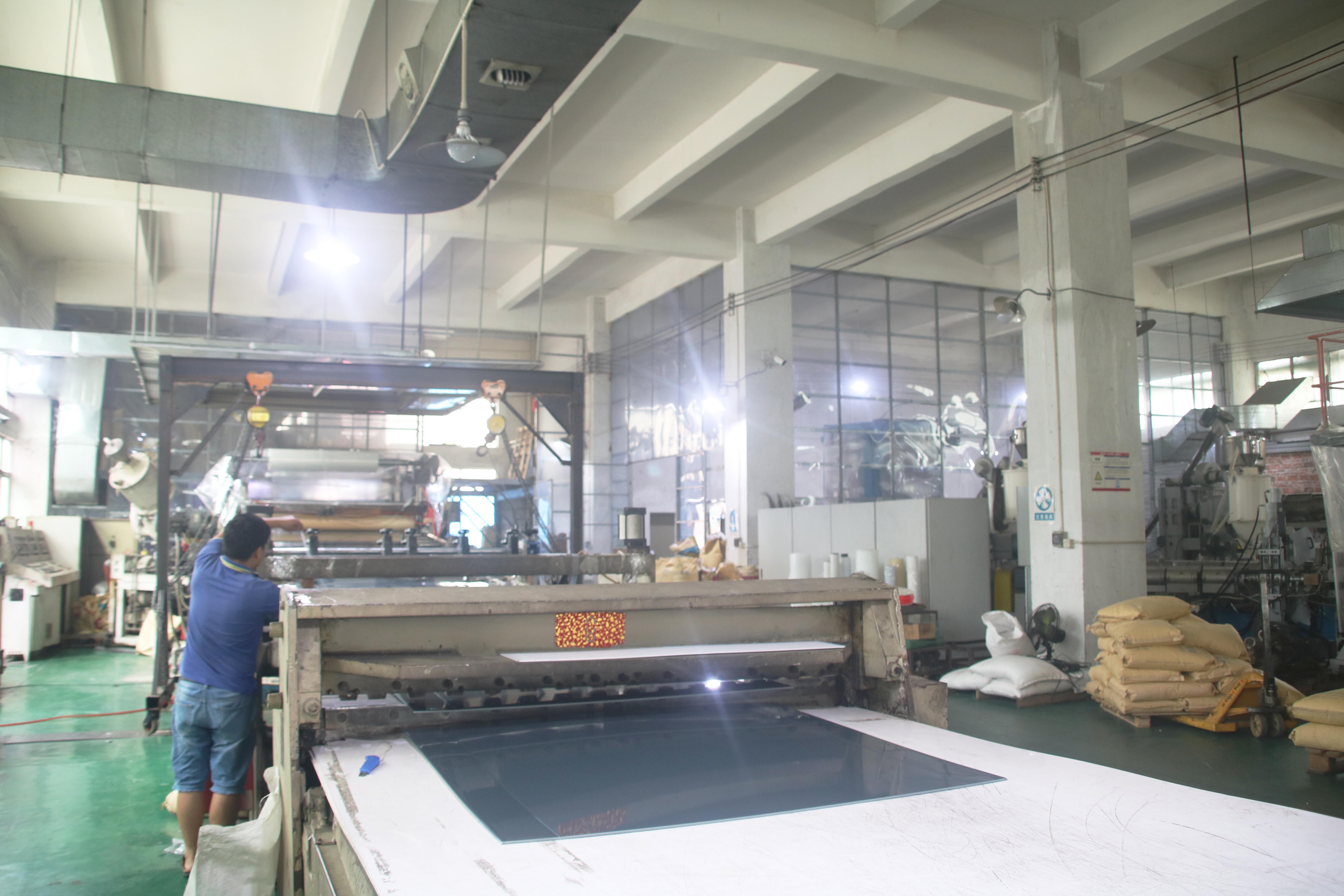
ABS sheets are produced primarily through extrusion or calendering. In extrusion, melted ABS resin is forced through a die to create a continuous sheet, which is then cooled and cut. Calendering involves passing the material between multiple rollers to achieve uniform thickness. Post-processing methods include thermoforming (vacuum forming, pressure forming), machining (cutting, drilling, routing), and joining (solvent bonding, ultrasonic welding). These processes allow for complex shapes and customized designs.
Common Applications of ABS Plastic Sheets
Due to its durability and formability, ABS is used in numerous industries. In automotive, it is common for interior panels, dashboards, and trim. Consumer electronics like computer keyboards, TV housings, and phone cases often use ABS for its impact resistance. The material is also popular in medical devices (e.g., housings for monitors), recreational products (kayaks, luggage), and even musical instruments (recorders). For prototyping, ABS sheets are a go-to for CNC machining and 3D printing filaments. In construction, they serve as decorative panels and piping components.
Advantages Over Other Materials
Compared to metals, ABS is lighter and easier to shape, reducing production costs. Unlike polycarbonate, ABS offers better impact strength at lower temperatures and is more affordable. It also has superior surface finish and paint adhesion compared to polypropylene. However, for applications requiring high heat resistance or UV stability, alternatives like polycarbonate or acrylic may be preferred. ABS sheets can be recycled, though the process requires careful sorting.
How to Choose the Right ABS Sheet
Selecting an ABS sheet depends on several factors. Thickness is critical for structural applications: thinner sheets (0.5-2 mm) are flexible, while thicker ones (3-12 mm) offer rigidity. Surface finish options include matte, gloss, textured (e.g., leather grain), or smooth. Color choices are vast, and many suppliers offer custom colors. For outdoor use, consider UV-stabilized grades. Always check the sheet's impact strength (Izod or Charpy values) and heat deflection temperature. Certifications like UL 94 for flammability may be necessary for certain applications.
Working with ABS Sheets: Tips and Techniques
When cutting ABS, use sharp tools to avoid melting. For drilling, apply low speed and minimal pressure to prevent cracking. Thermoforming requires preheating the sheet to around 150°C until it becomes pliable, then quickly forming it over a mold. For bonding, solvents like methyl ethyl ketone (MEK) or special adhesives work well. Sanding can smooth edges, but take care as ABS dust can be irritating. Always wear protective gear when machining.
Environmental Impact and Sustainability
ABS is a petroleum-based plastic, so its production has an environmental footprint. However, it is recyclable (resin code #7) and can be reprocessed into new products. Many manufacturers now offer recycled ABS sheets with similar properties. To reduce waste, consider using post-industrial scrap. The material is not biodegradable, but its durability means long product life, which can offset resource use over time.
常见问题
What are the main differences between ABS and PVC sheets?ABS is tougher and more impact-resistant, while PVC is more rigid and chemically resistant. ABS is easier to thermoform and bond, but PVC has better UV stability. ABS is often preferred for parts requiring high durability, like automotive interiors, while PVC is used for pipes and outdoor signage.
Can ABS sheets be used outdoors?Standard ABS sheets degrade under prolonged UV exposure, leading to discoloration and brittleness. For outdoor use, choose UV-stabilized ABS or apply a protective coating like paint or laminate. Alternatively, consider materials like ASA or polycarbonate for better weather resistance.
How do I clean ABS sheets?Use mild soap and water with a soft cloth. Avoid abrasive cleaners or solvents like acetone that can damage the surface. For stubborn stains, isopropyl alcohol can be used carefully. Rinse thoroughly and dry to prevent water spots.
What is the maximum temperature ABS sheets can withstand?ABS has a heat deflection temperature of about 80-100°C (176-212°F) under load. Continuous use above 70°C may cause deformation. For higher temperatures, consider materials like polycarbonate or fiber-reinforced plastics.
Related Posts