




The Versatility and Applications of ABS Sheets: A Comprehensive Guide
Introduction to ABS Sheets
ABS sheets are thermoplastic sheets made from the polymer Acrylonitrile Butadiene Styrene. Known for their toughness, rigidity, and good dimensional stability, they are a popular choice in industries ranging from automotive to consumer goods. ABS combines the strength of acrylonitrile and styrene with the resilience of butadiene, resulting in a material that can withstand significant impact without cracking.
Key Properties of ABS Sheets
Impact resistance is one of the standout features of ABS sheets. They can absorb sudden forces without breaking, making them ideal for protective cases and automotive parts. Additionally, ABS has good chemical resistance to many acids, alkalis, and oils, though it can be attacked by some solvents. Its low water absorption (around 0.2-0.4%) ensures stability in humid environments. The material is also easily painted, glued, and machined, offering great versatility in fabrication.
Common Applications of ABS Sheets
ABS sheets are used in a wide array of products. In the automotive industry, they are common for interior trim, dashboard components, and body parts due to their balance of weight and strength. In electronics, ABS is used for computer keyboard keys, television enclosures, and phone casings because it protects internal components while being easy to mold. Consumer goods like luggage, refrigerator liners, and children's toys (e.g., LEGO bricks) also rely on ABS for its durability and colorability. In construction, ABS sheets serve as pipe fittings and wall panels, while in medial devices, they are used for housings and non-implantable parts due to their sterilizability.
Fabrication and Processing Techniques
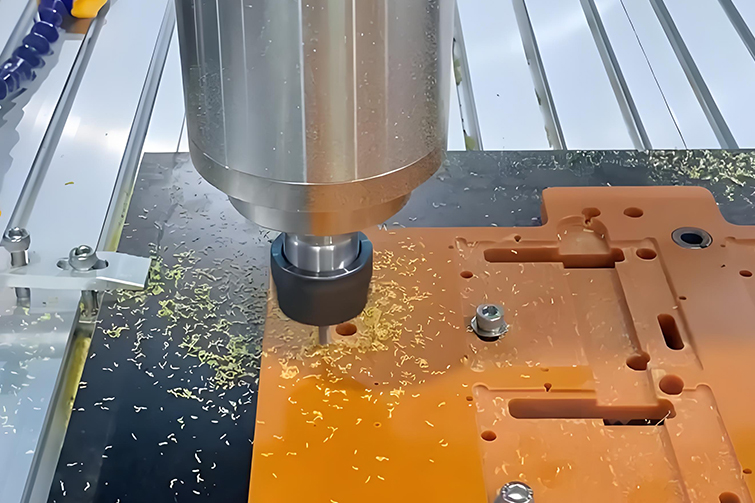
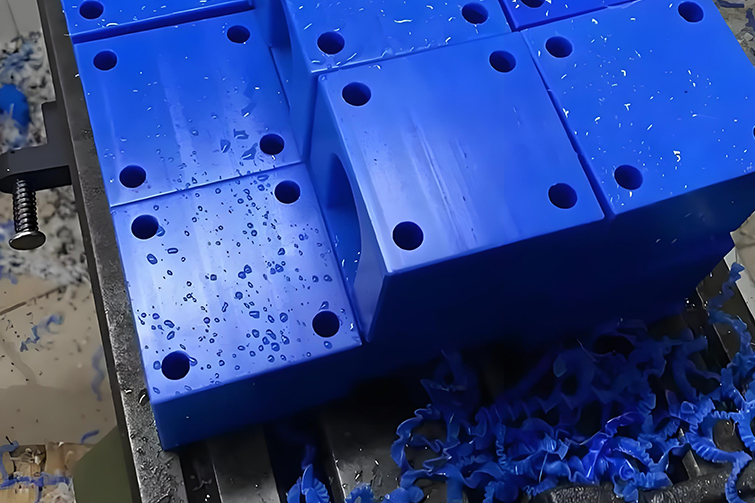
ABS sheets can be processed using several methods. Thermoforming is common for shaping large sheets into complex parts like boat hulls or bathtubs. The sheet is heated until soft, then vacuum-formed over a mold. CNC machining allows for precise cutting and drilling, ideal for prototypes or low-volume production. Adhesive bonding with solvents like methyl ethyl ketone can join ABS pieces, but ensure proper ventilation. For high-volume production, injection molding is the go-to method, though this uses ABS pellets rather than sheets. When cutting ABS, use sharp tools to avoid melting or chipping.
Advantages and Limitations
The main advantages of ABS sheets include excellent impact resistance, easy fabrication, good electrical insulation, and a glossy finish that can be painted or chrome-plated. However, ABS has limitations: it degrades under prolonged UV exposure unless UV-stabilized, has low heat resistance (softens around 100°C), and is flammable unless flame-retardant additives are used. It is also not biodegradable, though recycling is possible with proper separation.
Selection Guidelines for ABS Sheets
When choosing ABS sheets, consider the thickness required: 1-2 mm for lightweight panels, 3-6 mm for structural parts, and heavier gauges for high-impact applications. Grades vary: general-purpose for most uses, high-impact for rugged items, and flame-retardant for electronics. For outdoor use, specify UV-stabilized grades. Always check the sheet's surface finish (matte, gloss, textured) to match your design intent.
Care and Maintenance of ABS Sheets
ABS sheets are easy to maintain. Clean with mild soap and water; avoid harsh chemicals like acetone that can cause cracking. For scratches, fine sandpaper or a polishing compound can restore the surface. Store sheets flat in a cool, dry place away from direct sunlight to prevent warping or discoloration.
Environmental Considerations
ABS is a petroleum-based plastic, so its environmental footprint is a concern. However, it can be recycled mechanically by grinding and re-melting into new products. Some manufacturers offer recycled ABS sheets with similar properties to virgin material. For sustainable choices, look for suppliers with closed-loop systems or use post-consumer recycled content.
Common Questions
Frequently Asked Questions about ABS Sheets
Q: Can ABS sheets be used outdoors?A: Yes, but only if they are UV-stabilized. Standard ABS will yellow and become brittle under sunlight. For outdoor use, choose a grade with UV additives or apply a UV-resistant coating.
Q: How do I glue ABS sheets together?A: Use a solvent cement specifically for ABS, or apply a two-part epoxy after roughening the surfaces. For strong bonds, use a primer followed by a cyanoacrylate glue designed for plastics.
Q: Is ABS sheet food safe?A: Some food contact grades are available, but standard ABS may contain additives not suitable for direct food contact. Always verify with the manufacturer for FDA-approved grades.
Q: What is the maximum temperature ABS can withstand?A: ABS typically has a heat deflection temperature around 80-100°C under load. For continuous use, keep below 80°C; for short periods, up to 100°C is acceptable.
Related Posts