




The Comprehensive Guide to 1800mm ABS Sheet: Properties, Applications, and Benefits
Introduction to 1800mm ABS Sheet
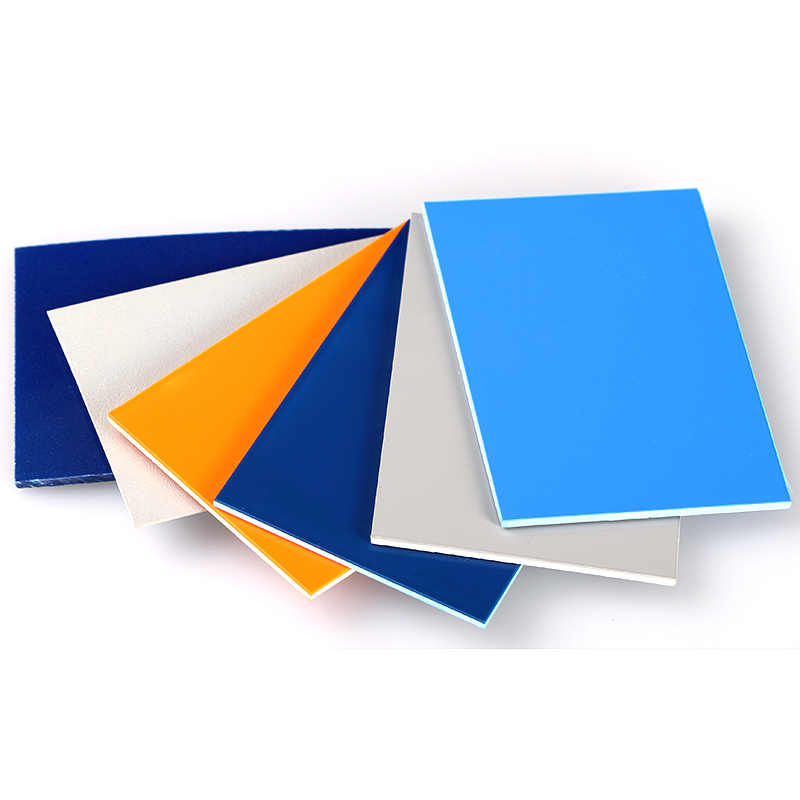
1800mm ABS Sheet is a specific size of Acrylonitrile Butadiene Styrene (ABS) sheet, commonly used in various industries due to its excellent balance of strength, rigidity, and impact resistance. The dimension "1800mm" refers to the width of the sheet, making it ideal for applications requiring large or wide panels. ABS is a thermoplastic polymer that is lightweight yet durable, and it can be easily fabricated using methods like thermoforming, machining, and bonding.
Key Properties of 1800mm ABS Sheet
ABS sheets offer a unique combination of properties that make them suitable for demanding applications. Impact resistance is a standout feature: ABS can withstand heavy impacts without cracking, making it safer than many other plastics. It also has good tensile strength and stiffness, ensuring structural integrity. ABS is resistant to a wide range of chemicals, including acids and alkalis, and has excellent dimensional stability over a broad temperature range (typically -20°C to 80°C). Additionally, ABS sheets can be easily painted, glued, or printed on, offering aesthetic flexibility.
Common Applications of 1800mm ABS Sheet
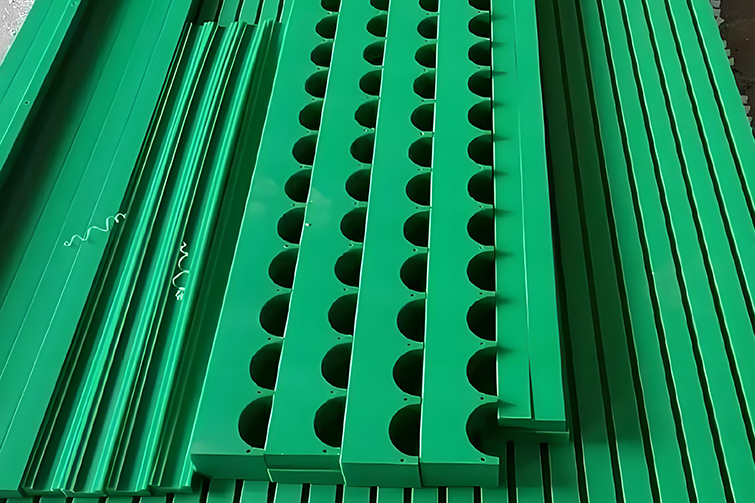
Due to its size and properties, 1800mm ABS sheet is widely used in automotive components such as interior trim, dashboards, and body panels. In the construction industry, it is used for wall panels, roofing, and shower trays. The marine sector utilizes ABS for boat hulls and components because of its water resistance. Consumer goods like luggage, toys, and electronic housings also benefit from ABS's durability. Additionally, signage and displays often use ABS sheets for their ease of fabrication and vibrant color retention.
Advantages of Using 1800mm ABS Sheet
Choosing 1800mm ABS sheet offers multiple benefits. Large format reduces the need for seams and joints in wide applications, improving aesthetics and structural integrity. ABS is recyclable, supporting sustainability goals. Its easy fabrication saves time and costs during manufacturing. Compared to metals, ABS is lighter and more resistant to corrosion, while being less expensive than many engineering plastics like polycarbonate. ABS also has good electrical insulation properties, making it suitable for electronic enclosures.
Processing and Fabrication Techniques
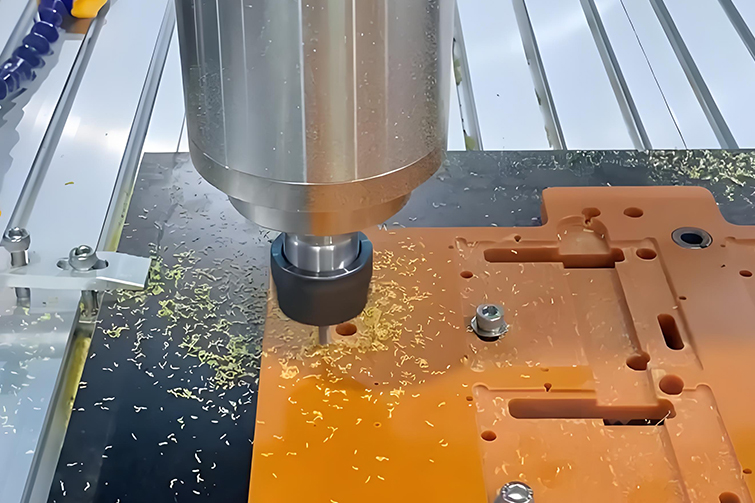
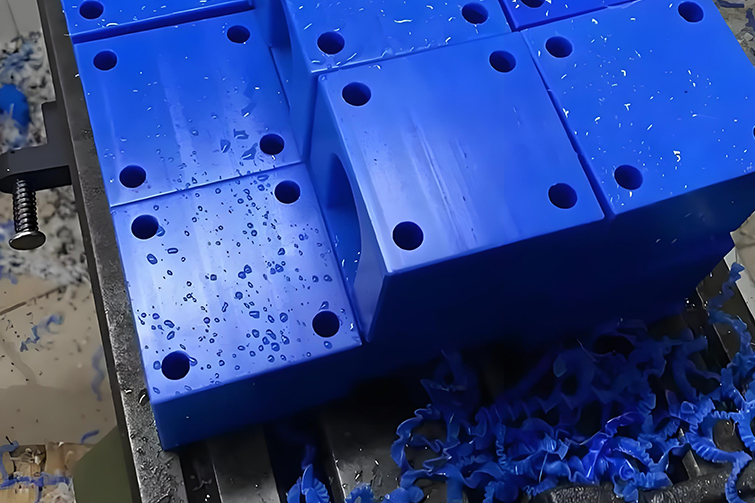
1800mm ABS sheet can be processed using various methods. Thermoforming is common: heating the sheet and shaping it over a mold. It can be cut with saws, routers, or CNC machines. Bonding is achieved using solvent cements or adhesives like cyanoacrylate. For high-quality finishes, sanding and polishing are effective. ABS can also be vacuum formed for complex shapes. When machining, it's important to use sharp tools to avoid melting or chipping.
Comparison with Other Plastic Sheets
Compared to polycarbonate, ABS is less impact resistant but more affordable and easier to fabricate. Against PVC, ABS offers better impact strength and thermal stability. For applications requiring high temperature resistance, polypropylene may be preferred, but ABS provides superior rigidity. Acrylic (PMMA) is harder and more transparent, but ABS is tougher and less brittle. The 1800mm size gives ABS an advantage for large-scale applications where other materials may not be available in that width.
Environmental and Safety Considerations
ABS is not biodegradable, but it is 100% recyclable through mechanical recycling processes. Many manufacturers offer recycled ABS sheets. During processing, it is safe to handle, but proper ventilation is recommended when heating or cutting due to potential fumes. ABS is resistant to most household chemicals, making it safe for food contact applications when properly formulated. Always check manufacturer specifications for compliance with regulations like FDA or RoHS.
Frequently Asked Questions
1. What is the typical thickness range for 1800mm ABS sheet?Available thicknesses vary, but common ranges are from 1mm to 12mm. For 1800mm width, thicker sheets (e.g., 3mm-6mm) are typical to maintain rigidity.
2. Can 1800mm ABS sheet be used outdoors?Yes, but with caution. ABS has good UV resistance when specially formulated; standard ABS may degrade with prolonged sun exposure. UV-stabilized versions are available for outdoor use.
3. How do I cut 1800mm ABS sheet without cracking?Use a fine-toothed saw or a CNC router with sharp tooling. Score and snap for thin sheets. Keep the material cool to prevent melting.
4. Is 1800mm ABS sheet food-safe?Some grades are FDA-approved for food contact. Verify with the supplier before use.
Related Posts