




The Ultimate Guide to Wide ABS Sheets: Properties, Applications, and Benefits
What Are Wide ABS Sheets?
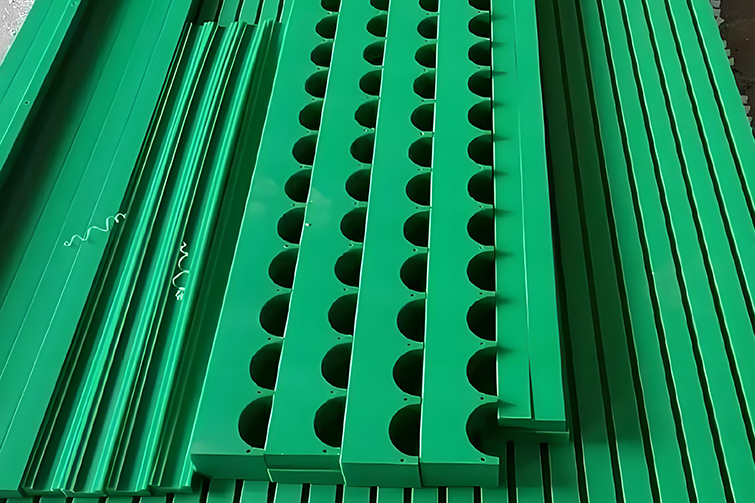
Wide ABS sheets are large-format panels made from Acrylonitrile Butadiene Styrene (ABS), a thermoplastic polymer known for its excellent impact resistance, rigidity, and machinability. These sheets are typically available in widths exceeding 48 inches and lengths up to 120 inches, offering a seamless solution for large-scale applications. The material combines the strength of acrylonitrile, the toughness of butadiene, and the processability of styrene, resulting in a durable yet lightweight product.
Key Properties of Wide ABS Sheets
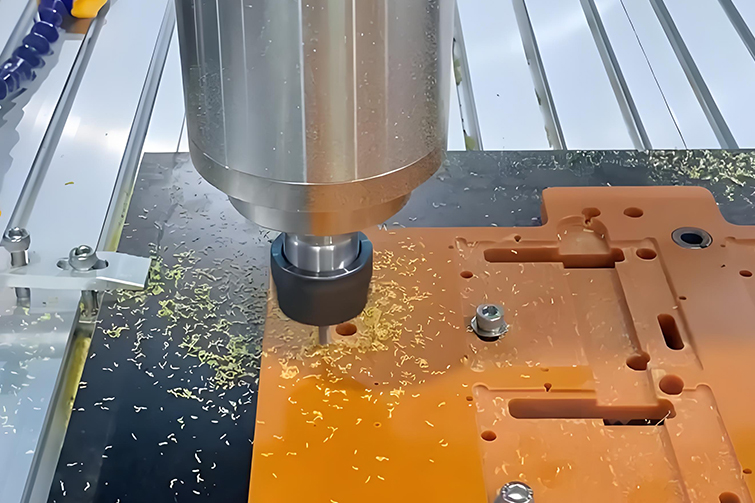
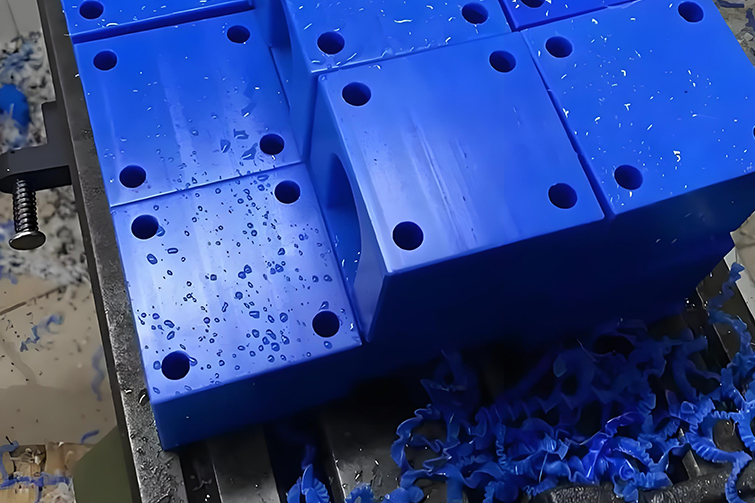
Impact resistance is a standout feature of wide ABS sheets. They can withstand significant force without cracking, making them ideal for protective covers and enclosures. Additionally, ABS exhibits good chemical resistance to acids, alkalis, and oils, and it has a low melting point (around 220°F), which facilitates thermoforming. The sheets are also easy to machine, allowing for cutting, drilling, and routing with standard woodworking tools. Their natural glossy finish can be painted or glued, enhancing aesthetic flexibility.
Manufacturing Process
Wide ABS sheets are produced through extrusion or calendaring. In extrusion, molten ABS is forced through a flat die, then cooled and cut to size. Calendaring involves passing the material through rollers to achieve uniform thickness. Both methods ensure consistent quality and surface finish. The wide format is achieved by using larger dies or rollers, enabling sheets up to 60 inches wide. Post-production, sheets can be given textured finishes (e.g., leather, matte) for specific uses.
Applications in Various Industries
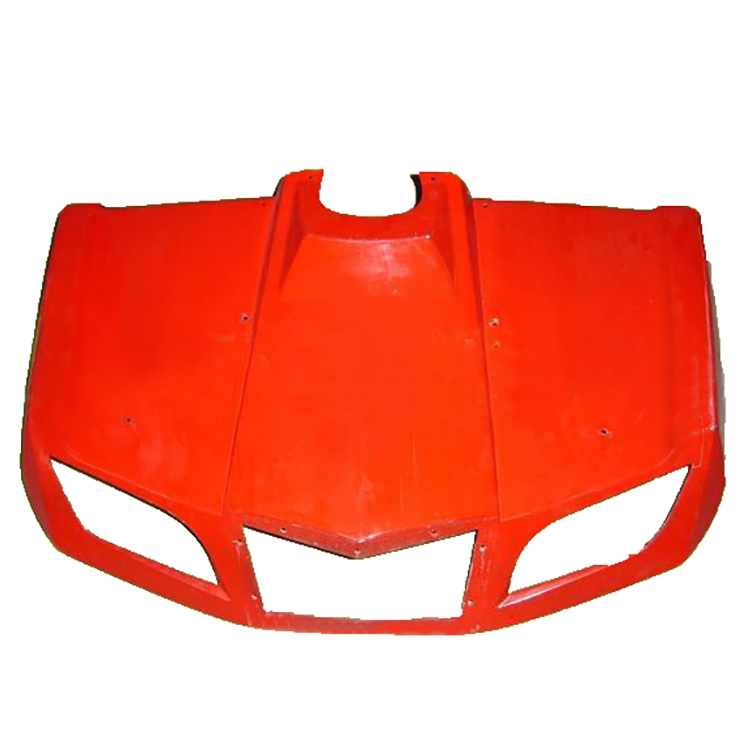
Automotive interior components like dashboard panels, door liners, and trim use wide ABS sheets for their durability and ease of forming. In medical equipment, they are used for housings and trays due to their sterilizability. The construction industry employs them for wall cladding and false ceilings, while consumer goods include luggage shells, refrigerator liners, and toys. Wide sheets are also popular in signage for outdoor displays because of UV-resistant grades.
Advantages Over Other Materials
Compared to polycarbonate, ABS is more affordable and easier to machine, though less impact-resistant at extreme temperatures. Against PVC, ABS offers better temperature tolerance and mechanical strength. For metal, ABS is significantly lighter and corrosion-resistant. Wide ABS sheets also provide design flexibility—they can be thermoformed into complex shapes without losing structural integrity. Moreover, they are recyclable, aligning with sustainability goals.
How to Choose the Right Wide ABS Sheet
Consider thickness (ranging from 0.5 mm to 6 mm) based on structural requirements. Thicker sheets offer more rigidity for load-bearing parts. Surface finish (glossy, matte, textured) affects aesthetics and friction. For outdoor use, choose UV-stabilized grades. Check the dimensional tolerance if using CNC machining. Always request a datasheet for mechanical properties (tensile strength, elongation at break).
Cutting and Fabrication Tips
Use carbide-tipped blades for clean cuts. For curved shapes, heat the sheet with a heat gun to 200°F before bending. Avoid overheating to prevent bubbling. Drilling requires slow speeds and sharp bits to avoid cracking. For bonding, use solvent cement (e.g., methyl ethyl ketone) or cyanoacrylate adhesives. When vacuum forming, ensure the sheet is evenly heated to avoid thin spots.
Cost and Availability
Wide ABS sheets are cost-effective, typically priced $3–$8 per square foot depending on thickness and finish. They are widely available from plastic distributors like McMaster-Carr, TAP Plastics, and Professional Plastics. Ordering custom sizes may have a lead time of 1–2 weeks. Bulk discounts are common for large quantities.
Common Questions
Can wide ABS sheets be used outdoors?Yes, but only UV-stabilized grades should be exposed to sunlight. Unstabilized ABS may yellow and become brittle over time. Consider using a UV-protective coating for extended outdoor life.
How to clean wide ABS sheets?Use mild soap and water or a soft cloth with isopropyl alcohol. Avoid abrasive cleaners that can scratch the surface. For stubborn stains, dilute ammonia solution works well.
Are wide ABS sheets food-safe?Some grades are FDA-approved for food contact. Check with the manufacturer for specific certifications. Standard ABS is not recommended for direct food contact due to potential leaching.
Related Posts