





The Comprehensive Guide to Large-Width ABS Sheets: Properties, Applications, and Benefits
What Are Large-Width ABS Sheets?
ABS (Acrylonitrile Butadiene Styrene) is a common thermoplastic polymer known for its toughness and impact strength. Large-width ABS sheets refer to sheets with widths exceeding typical dimensions (often > 48 inches or 1220 mm). These sheets are manufactured through extrusion or calendering processes, allowing for continuous production of wide panels. They offer the same excellent properties as standard ABS but enable larger applications with fewer seams and joints.
Key Properties of Large-Width ABS Sheets
Impact Resistance: ABS is renowned for its high impact strength, making it ideal for applications subject to mechanical stress. Large-width sheets maintain this property over a broad temperature range (-20°C to 80°C).
Rigidity and Dimensional Stability: ABS sheets are rigid with low creep, ensuring they hold their shape under load. Large widths reduce the need for joining, enhancing structural integrity.
Chemical Resistance: ABS resists many dilute acids, alkalis, and hydrocarbons, but is susceptible to strong oxidizing agents and some solvents. Check compatibility for specific chemicals.
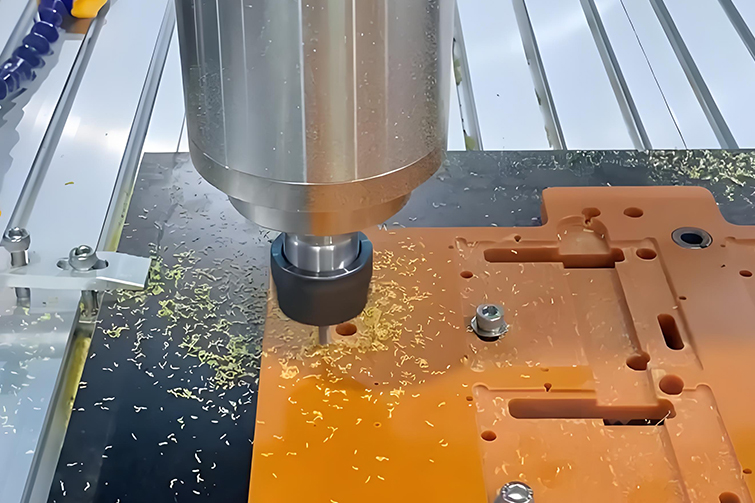
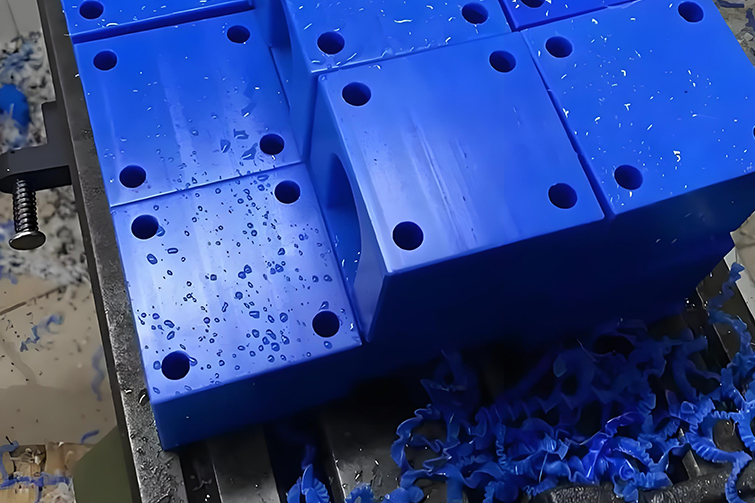
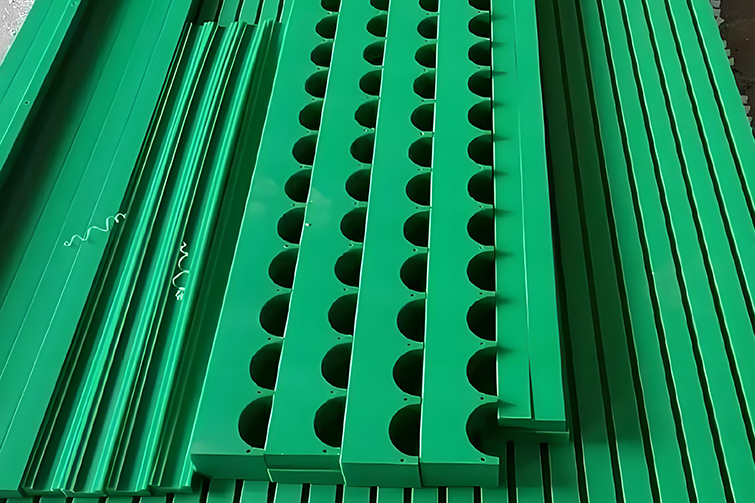
Ease of Fabrication: ABS can be easily cut, drilled, routed, thermoformed, and glued. Large-width sheets allow for seamless fabrication of large parts.
Surface Finish: Sheets come with a smooth, glossy finish that can be painted, laminated, or textured. They are available in various colors and UV-resistant grades.
Manufacturing Process of Large-Width ABS Sheets
Large-width ABS sheets are typically produced via extrusion or calendering. In extrusion, ABS resin is melted and forced through a wide die, then cooled and cut. Calendaring involves passing the material through a series of heated rolls to achieve the desired width and thickness. Both methods ensure uniform thickness and mechanical properties across the sheet width.
Applications Across Industries
Automotive: Interior trim panels, dashboards, and body parts benefit from ABS's impact resistance and ability to be thermoformed into complex shapes. Large widths allow for one-piece components, reducing assembly time.
Construction: Used for roofing sheets, wall panels, and protective barriers. Large-width ABS provides weather resistance and insulation.
Medical: Equipment housings, stretcher parts, and trays require sterilizable, impact-resistant materials. ABS meets these needs with large sheets enabling custom fabrication.
Consumer Goods: Luggage, sports equipment, and toys (e.g., LEGO bricks) are classic applications. Large-width sheets help in manufacturing large parts like kayaks or coolers.
Industrial: Machine guards, hoppers, and storage bins take advantage of ABS's toughness and ease of cleaning. Wide sheets simplify construction of large enclosures.
Benefits of Using Large-Width ABS Sheets
Reduced Seams: Large widths eliminate or reduce the number of joints, improving aesthetics and structural strength.
Cost-Effective: Fewer pieces mean less labor and faster installation, lowering overall project costs.
Versatility: ABS can be painted, glued, or welded, allowing for complex assemblies.
Sustainability: ABS is recyclable, and large sheets generate less scrap from cutting.
Consistency: Sheet properties are uniform across the width, ensuring predictable performance.
How to Choose the Right Large-Width ABS Sheet
Consider these factors: Thickness (typically 1–6 mm), width (up to 2 m or more), color/UV resistance, surface finish (matte/gloss), and flame retardancy (UL94 ratings). For outdoor use, select UV-stabilized grade. For food contact, ensure FDA compliance. Always request sample sheets for testing.
Common Questions About Large-Width ABS Sheets
What is the typical width range for large-width ABS sheets?Standard large-width sheets range from 48 inches (1220 mm) to 96 inches (2440 mm), though custom widths up to 3 meters are possible.
Can large-width ABS sheets be thermoformed?Yes, ABS is highly thermoformable. Large sheets can be heated and shaped using vacuum forming, pressure forming, or plug assist. Ensure uniform heating to prevent warping.
How do I cut large-width ABS sheets without chipping?Use fine-toothed saw blades (e.g., carbide-tipped) with a high tooth count, or CNC routers. For clean cuts, support the sheet fully and reduce feed rate. Laser cutting is also effective but may produce fumes.
Are large-width ABS sheets suitable for outdoor use?Standard ABS degrades under prolonged UV exposure. Use UV-stabilized grades or apply a protective coating for outdoor applications. Alternatively, consider ASA or polycarbonate for better weatherability.
How do I join large-width ABS sheets?ABS can be joined using solvent cement (e.g., methylene chloride), adhesives (cyanoacrylate or epoxy), or welding (hot air or ultrasonic). Mechanical fastening with screws is also common. Always roughen surfaces for better adhesion.
Related Posts