



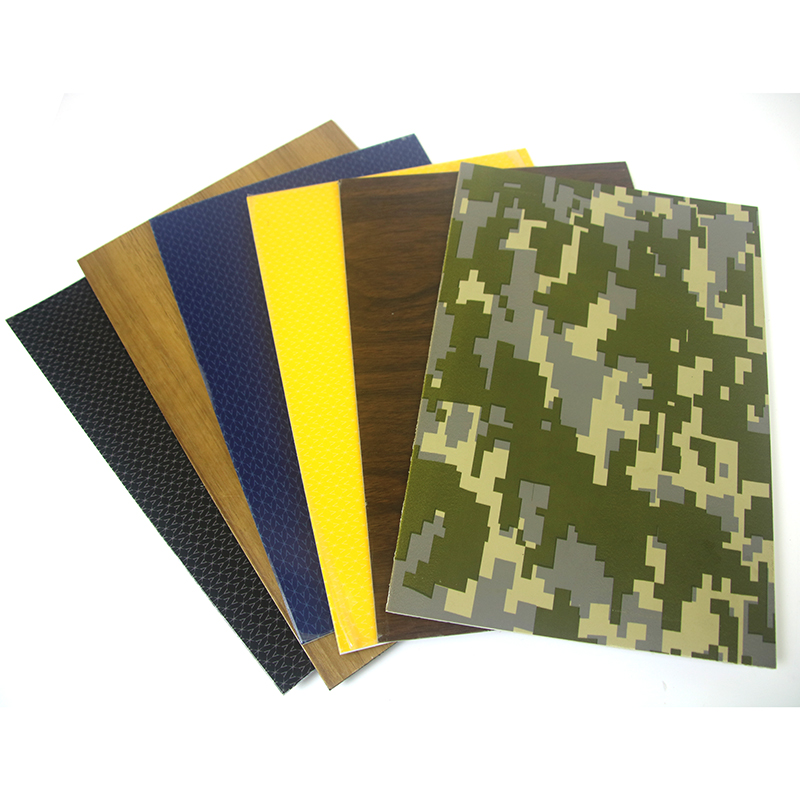
The Complete Guide to Extra-Wide ABS Sheets: Benefits, Applications, and Selection Tips
What Are Extra-Wide ABS Sheets?
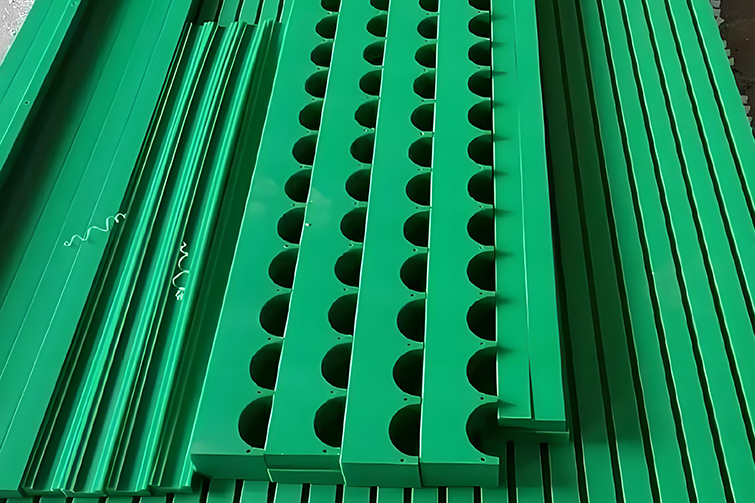
Extra-wide ABS sheets refer to acrylonitrile butadiene styrene (ABS) plastic sheets manufactured in widths significantly broader than standard sizes, typically exceeding 48 inches. These sheets combine the inherent strength, impact resistance, and machinability of ABS with the advantage of reduced seams in large-scale applications. The term 'extra-wide' generally denotes widths up to 72 inches or more, enabling seamless fabrication for projects like boat hulls, RV panels, and industrial enclosures.
Key Properties and Advantages
Durability and impact resistance are hallmarks of ABS sheets. They can withstand heavy loads and rough handling without cracking, making them ideal for demanding environments. The lightweight nature of ABS (about 1.04 g/cm³) simplifies handling and reduces transport costs. Additionally, ABS offers excellent chemical resistance to mild acids, alkalis, and oils. Its low water absorption (less than 0.3%) ensures dimensional stability in humid conditions. For extra-wide sheets, these properties are particularly beneficial in reducing weak points across large spans.
Common Applications Across Industries
Marine and automotive sectors extensively use extra-wide ABS for interior and exterior panels, dashboards, and seating components. The RV industry relies on these sheets for wall and roof panels due to their impact resistance and ease of cleaning. In construction, they serve as durable sheathing, signage, and protective barriers. Extra-wide sheets also appear in consumer goods like playground slides, luggage shells, and refrigerator liners. Their versatility extends to medical equipment housings and white goods where sanitation and toughness are paramount.
How to Choose the Right Extra-Wide ABS Sheet
When selecting extra-wide ABS, consider thickness (typically 0.5mm to 12mm), surface finish (glossy, matte, textured), and color (customizable via pigmentation). For outdoor use, choose UV-stabilized grades to prevent yellowing. Fire-retardant variants are available for building codes. Verify the width accuracy and flatness for precision cutting. Always source from reputable manufacturers adhering to ISO quality standards. Consult technical data sheets for pressure ratings and temperature resistance (typically -20°C to 80°C).
Fabrication Tips for Extra-Wide ABS Sheets
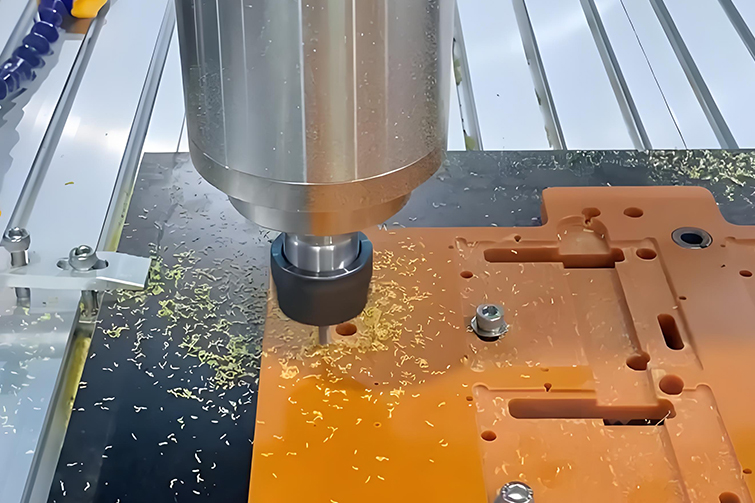
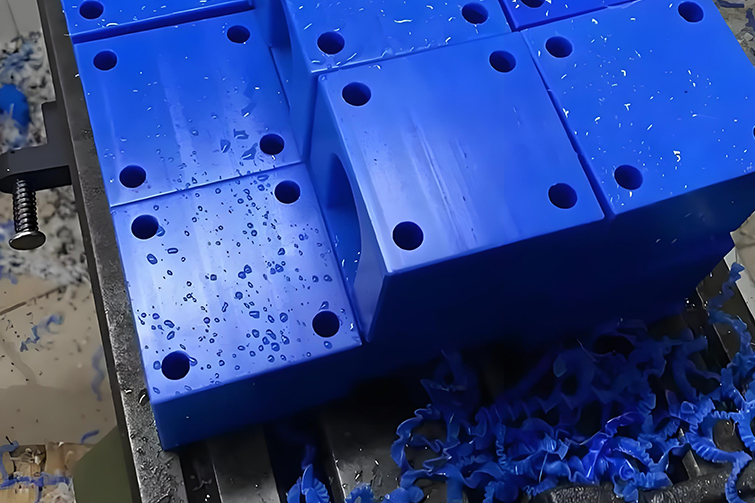
Cutting extra-wide sheets requires stable support to prevent warping. Use sharp carbide blades on table saws or CNC routers with appropriate feeds and speeds. For drilling, use low friction drill bits to avoid melting. Gluing with solvent-based adhesives (e.g., methylene chloride) creates strong bonds; apply pressure for 24 hours. Thermoforming at 140-160°C allows complex shapes, but ensure tooling supports the full width to avoid sagging. Bending can be done with a strip heater or press brake at 75-90°C. Always wear protective gear and work in ventilated areas due to styrene fumes.
Cost-Benefit Analysis: Are Extra-Wide Sheets Worth It?
While extra-wide ABS sheets may have higher upfront costs (typically 20-40% more per square foot vs. standard widths), they can reduce labor and material waste by eliminating seam-related steps. For large projects, the total cost often balances out. Consider the scale: for a 10-foot boat hull, using standard sheets might require multiple seams and reinforcements, costing more in labor. Extra-wide sheets simplify production. Long-term durability also offsets potential repair costs. Calculate the breakeven point based on your specific application volume.
Environmental and Sustainability Considerations
ABS is 100% recyclable, though recycling rates vary. Extra-wide sheets can be reground and reprocessed. Some manufacturers offer post-industrial recycled ABS which reduces environmental impact. However, ABS is petroleum-based and not biodegradable. To improve sustainability, design for disassembly to facilitate recycling. Also, choose suppliers with energy-efficient production and lower carbon footprints. Consider using extra-wide sheets longer lifespan to minimize replacements.
常见问题
How thick should an extra-wide ABS sheet be for outdoor use?
For outdoor applications like boat hulls or roofing, a thickness of at least 4-6mm is recommended to resist wind loads and UV impact. Thicker sheets (6-10mm) provide greater rigidity for large unsupported spans.
Can extra-wide ABS sheets be machined with standard tools?
Yes, but with caution. Standard woodworking tools can be used if equipped with sharp carbide blades and appropriate RPMs to avoid melting. For thicknesses over 6mm, industrial machinery ensures smoother cuts.
What is the maximum width available for extra-wide ABS sheets?
Manufacturers typically offer widths up to 72 inches (6 feet), though custom orders may reach 96 inches depending on the extrusion line. Always check with suppliers for exact maximums.
Are extra-wide ABS sheets prone to warping?
ABS can warp under uneven heat or pressure. To prevent this, store sheets flat in a cool, dry place, and use proper support during cutting and thermoforming. Pre-drying at 80°C for 1 hour reduces moisture-induced warping.
Related Posts