




Mastering Thin Sheets: A Comprehensive Guide to Working with Light-Gauge Materials
Understanding Thin Sheets: Definition and Key Properties
Thin sheets are flat metal or polymer materials with thicknesses typically ranging from 0.1 mm to 6 mm. Their high strength-to-weight ratio allows for lightweight structures without compromising integrity. Common materials include stainless steel, aluminum, and polycarbonate. Key properties to consider are grain direction (important for forming), tensile strength, and elastic modulus. Avoid assuming standard sheet behavior; always consult material data sheets for specific grades.
Applications Across Industries
Thin sheets shine in automotive body panels where weight reduction improves fuel efficiency. In electronics, they form shielding and heat sinks. Architecture uses thin sheets for facade cladding and ductwork. Aerospace requires thin sheets for fuselage skins and interior panels. Even medical devices rely on thin sheets for surgical instruments and implants. Pro tip: Material selection must align with environmental factors like temperature and humidity to avoid buckling or corrosion.
Cutting Techniques for Precision
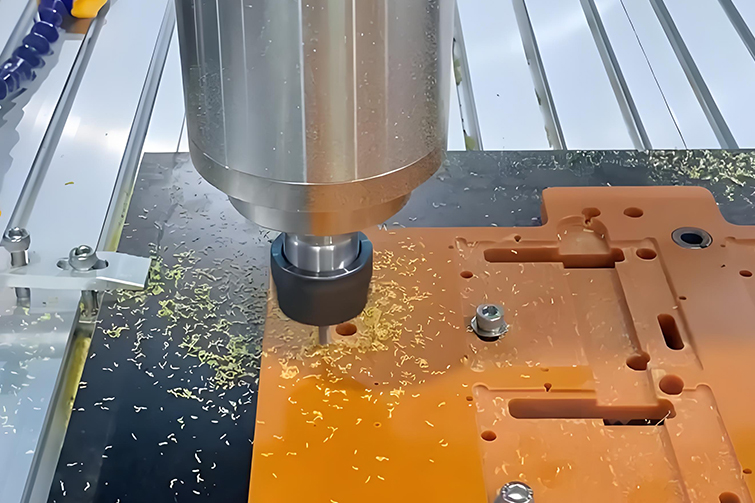
Popular cutting methods include precision shearing for straight edges, laser cutting for complex shapes (kerf width as small as 0.1 mm), and abrasive waterjet for heat-sensitive materials. Always support thin sheets fully to prevent vibration. Use sharp tooling to avoid burrs. For prototypes, a CNC router with a fine bit offers flexibility. Never exceed recommended feed rates as this causes deformation.
Forming Thin Sheets: Bending and Stamping
Air bending is common for thin sheets, offering adjustable angles with simple tooling. The bend radius must be at least 1x the sheet thickness to avoid cracking. Coining provides high accuracy but requires higher tonnage. Use positive stops to control overbend. For stamping, retainers prevent wrinkling in deep draws. Lubrication (e.g., drawing compound) reduces friction. Avoid sharp punches that concentrate stress.
Joining Methods: Welding, Riveting, and Adhesives
Welding thin sheets demands low heat input; pulsed TIG or laser welding minimizes warpage. Use clamping to dissipate heat. Resistance spot welding works for overlapping joints. For non-metallic thin sheets, solvent bonding or two-part epoxies create strong binds. Rivets (e.g., pop rivets) are reliable without thermal stress. Always test joint strength under intended loads.
Common Challenges and Solutions
Warpage during welding can be mitigated by back-step welding or using a heat sink. Burrs from cutting are removed with deburring tools or tumbling. Dimensional tolerance often requires laser scanning for verification. For thin sheets prone to sagging, add stiffening ribs or use vacuum tables. Remember: Safety first – sharp edges can cause cuts; always use gloves and guards.
Advanced Techniques: Hydroforming and Superplastic Forming
Hydroforming uses fluid pressure to shape thin sheets into complex dies, ideal for double-curved panels. Superplastic forming (for certain alloys) allows straining to 1000% without failure at controlled temperatures. These methods reduce part count and assembly costs but require specialized equipment. For high-volume production, roll forming continuously bends long thin sheets into channels or angles with consistent cross-sections.
Best Practices for Storage and Handling
Store thin sheets horizontally on flat racks to avoid bending. Use spacers between sheets to prevent scratching. For sensitive finishes, apply protective film. When stacking, keep materials dry to avoid corrosion. Handling with vacuum lifters prevents dents. Always lift evenly – twisting causes permanent damage.
常见问题
What is the minimum bend radius for a 1 mm thick aluminum sheet?Typically 1.5 mm for soft alloys, but harder grades may require 2-3 mm. Always test a sample.
How do I prevent distortion when welding thin stainless steel?Use low amperage, pulse setting, and back-purge with argon. Clamp with copper backing bars.
Can I laser cut thin brass sheets?Yes, but adjust power and use oxygen assist to reduce reflectivity. Expect dross on edges that needs post-processing.
What adhesive works for polycarbonate thin sheets?Use UV-curing acrylics or methylene chloride for solvent bonding. Ensure surfaces are clean for best adhesion.
Related Posts