




The Ultimate Guide to ABS Rolls: Everything You Need to Know
What Are ABS Rolls?
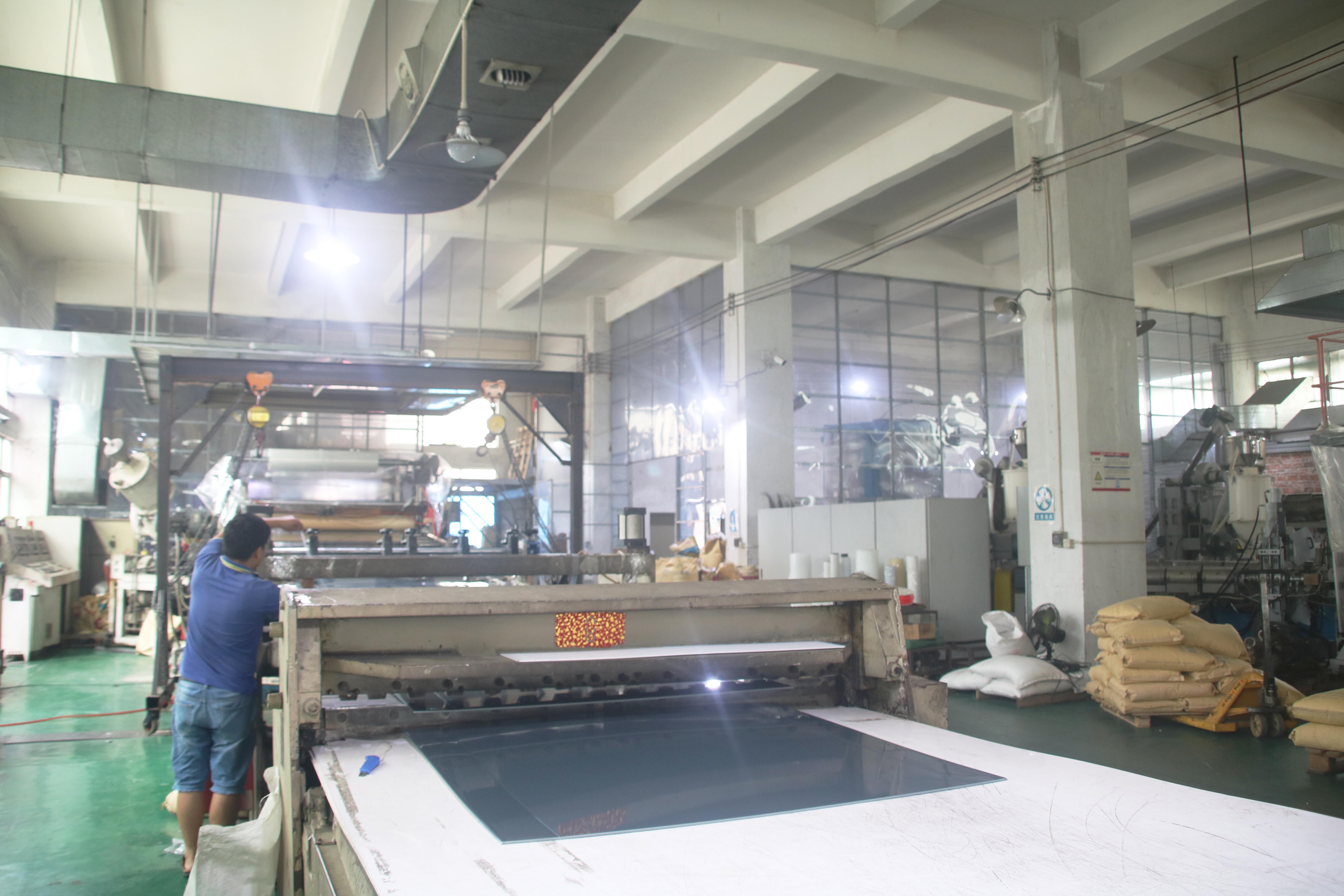
ABS rolls are continuous sheets of Acrylonitrile Butadiene Styrene (ABS) plastic, a common thermoplastic polymer. The material is composed of three monomers: acrylonitrile, butadiene, and styrene, each contributing unique properties. Acrylonitrile provides chemical resistance and mechanical strength, butadiene adds impact resistance and toughness, while styrene offers a smooth, glossy finish and ease of processing. These rolls are typically produced through extrusion, resulting in a flexible yet durable sheet that can be cut, thermoformed, or laminated for various applications.
Key Properties of ABS Rolls
ABS rolls are prized for their balanced mechanical properties. They exhibit high impact strength, even at low temperatures, making them suitable for products that undergo physical stress. The material is also rigid but can be bent or shaped when heated, thanks to its thermoplastic nature. Additionally, ABS offers good electrical insulation, low water absorption, and resistance to acids, alkalis, and oils. Its surface can be easily painted, glued, or printed, enhancing its versatility in manufacturing.
Common Applications of ABS Rolls
Due to its durability and formability, ABS rolls are used across multiple industries. In the automotive sector, they are used for interior dashboards, door panels, and trim components. Consumer electronics employ ABS in casings for computers, keyboards, and remote controls. In the medical field, ABS is found in equipment housings and surgical instruments. Other applications include luggage shells, refrigerator linings, and children's toys like LEGO bricks. The material's aesthetic appeal and ease of colorization make it a favorite for design-oriented products.
How to Choose the Right ABS Roll
Selecting the appropriate ABS roll involves considering several factors. First, thickness is crucial: thin rolls (0.5-1.5 mm) are flexible and suited for thermoforming, while thicker rolls (2-6 mm) offer structural rigidity. Second, surface finish ranges from glossy to matte, affecting both appearance and friction. Third, additives like UV stabilizers or flame retardants can be incorporated for enhanced performance in harsh environments. Finally, evaluate the manufacturer's quality certifications to ensure consistent properties and avoidance of defects like bubbles or warping.
Processing Techniques for ABS Rolls
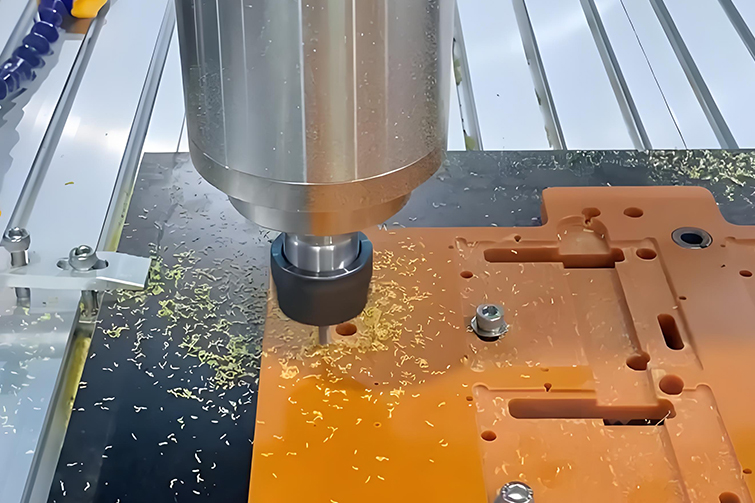
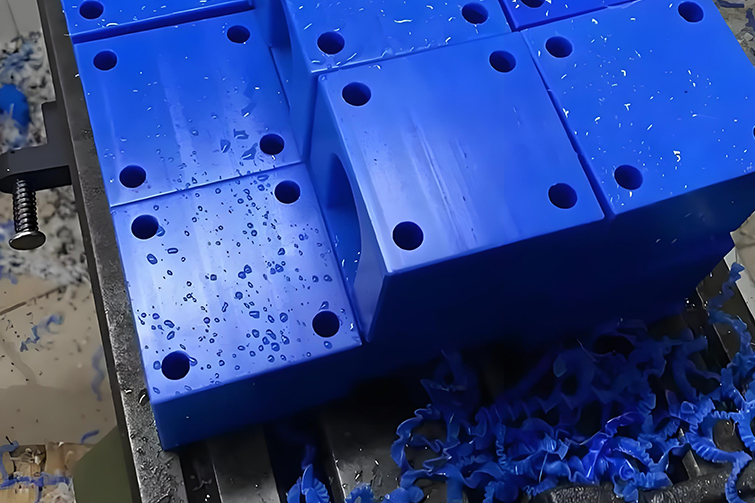
ABS rolls can be processed using standard plastic manufacturing methods. Thermoforming is common: the sheet is heated until soft, then formed over a mold using vacuum or pressure. Cutting can be done with laser, die-cutting, or sawing. For joining, ABS can be bonded with cyanoacrylate adhesives or welded using ultrasonic or solvent techniques. When machining, use sharp tools to prevent melting, and cool the material to avoid deformation. Post-processing like painting requires a primer for adhesion due to ABS's low surface energy.
Advantages and Limitations of ABS Rolls
The main advantages include excellent impact resistance, good dimensional stability, and ease of secondary operations like printing and plating. ABS is also recyclable and can be reprocessed into new products. However, it has limitations: poor UV resistance leads to yellowing and degradation when exposed to sunlight; it is not recommended for outdoor use without protective coatings. Additionally, ABS is flammable and emits toxic fumes when burned. Its mechanical properties also degrade over 100°C, limiting high-temperature applications.
常见问题
What is the difference between ABS rolls and ABS sheets?ABS rolls are essentially long, continuous sheets supplied in roll form, while ABS sheets are cut into flat pieces. Rolls are ideal for high-volume processes like roll-to-roll thermoforming, whereas sheets are used for smaller-scale fabrication. The material properties are identical.
Can ABS rolls be recycled?Yes, ABS is recyclable. Post-industrial scrap and post-consumer waste can be ground, cleaned, and reprocessed into new ABS products. However, recycling rates are low due to contamination and degradation from previous use.
How do I store ABS rolls?Store ABS rolls in a cool, dry place away from direct sunlight. To prevent warping, keep them on a flat surface or use a spindle. Avoid stacking heavy objects on them. Ideal temperature is between 15-25°C with relative humidity below 50%.
Is ABS safe for food contact?Standard ABS is not recommended for direct food contact due to potential leaching of monomers. However, food-grade ABS formulations are available that meet FDA or EU regulations for specific applications like refrigerator liners.
What is the maximum operating temperature for ABS rolls?ABS has a continuous service temperature of about 70°C (158°F) without load, and a heat deflection temperature around 90-100°C (194-212°F) under low stress. Prolonged exposure above this range can cause softening.
Related Posts