




The Ultimate Guide to ABS Sheets: Properties, Applications, and Benefits
What Are ABS Sheets?
ABS sheets are thermoplastic panels made from Acrylonitrile Butadiene Styrene, a lightweight yet robust material. These sheets combine the strength of acrylonitrile, the impact resistance of butadiene, and the rigidity of styrene, resulting in a versatile material suitable for various industries.
Key Properties of ABS Sheets
High impact strength is a standout feature of ABS sheets, making them resistant to cracking under stress. They also offer excellent dimensional stability, meaning they retain shape even under temperature changes. Additionally, ABS is chemical resistant, particularly to acids, alkalis, and many solvents. Its good electrical insulation properties make it ideal for electronic enclosures.
Common Applications of ABS Sheets
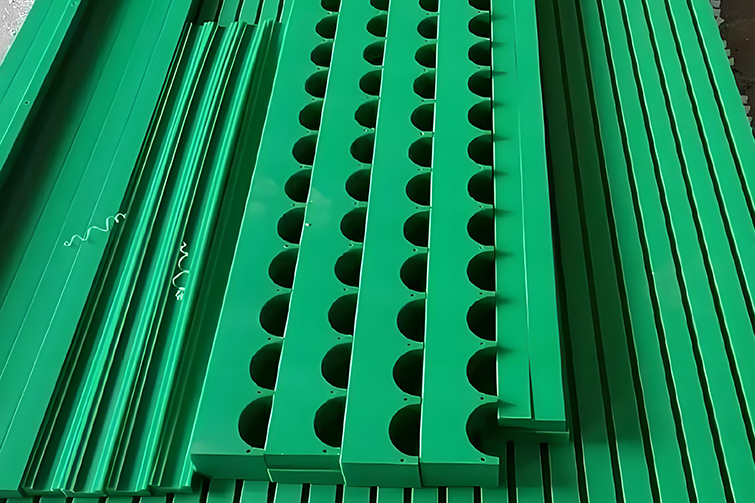
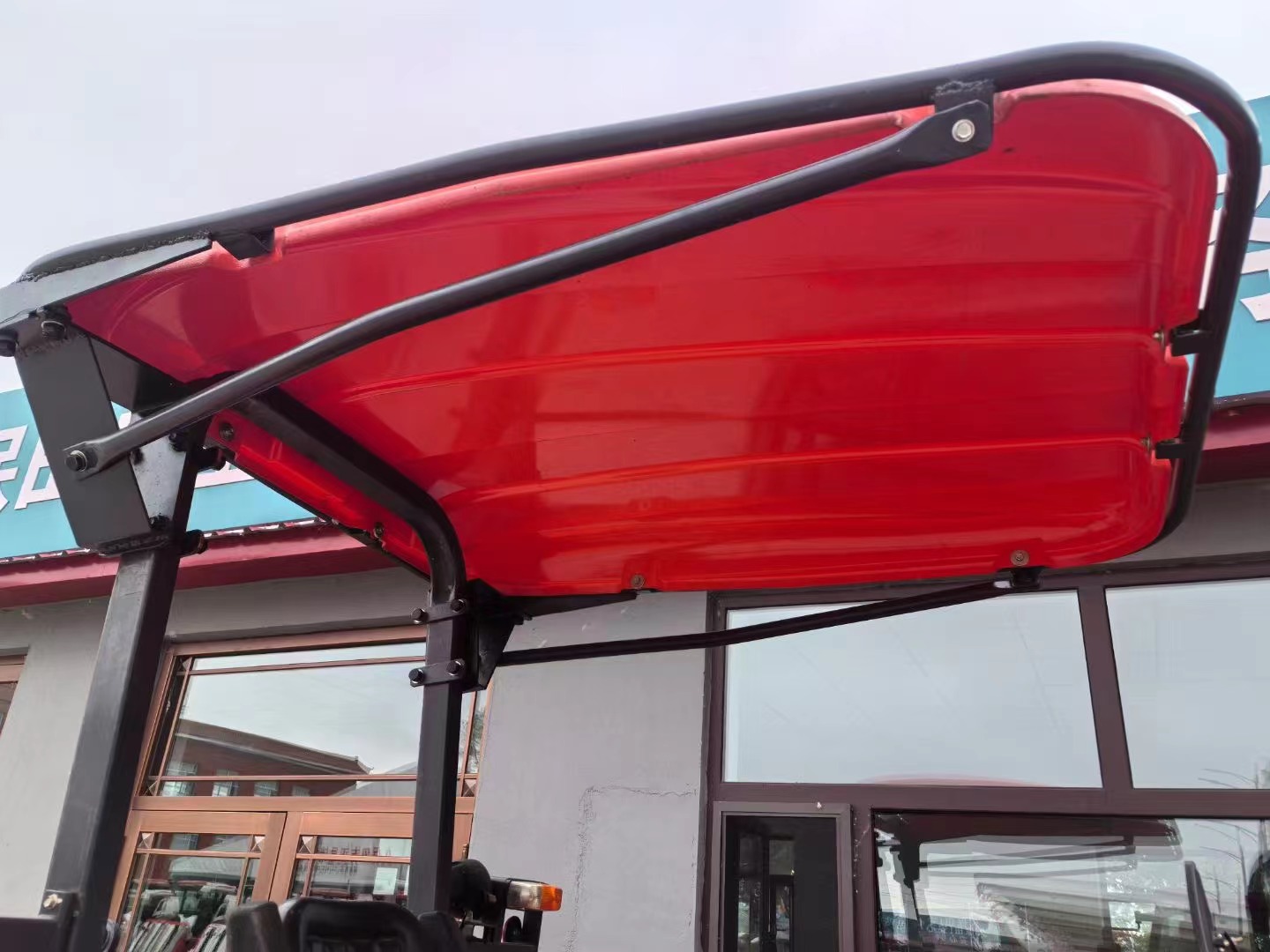
ABS sheets are widely used in automotive interiors for dashboards and trim due to their durability. In consumer electronics, they form housings for appliances like vacuum cleaners and kitchen gadgets. The medical industry utilizes ABS for equipment casings because of its easy sterilization. Other uses include luggage shells, protective headgear, and refrigerator linings.
How to Choose the Right ABS Sheet
Consider the thickness based on required strength—thicker sheets for structural parts, thinner for lightweight covers. Color options are extensive, with some sheets offering UV resistance for outdoor use. Flame retardant grades are available for safety-critical applications. Always check the temperature range (typically -20°C to 80°C) to ensure suitability for your environment.
Working with ABS Sheets: Cutting, Drilling, and Bonding
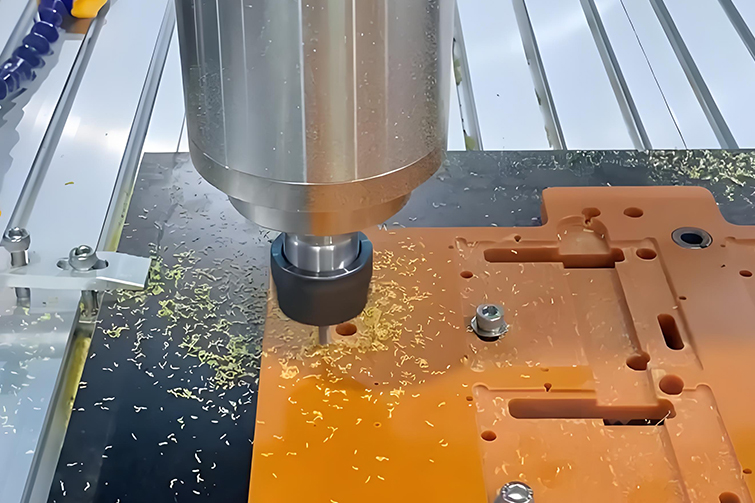
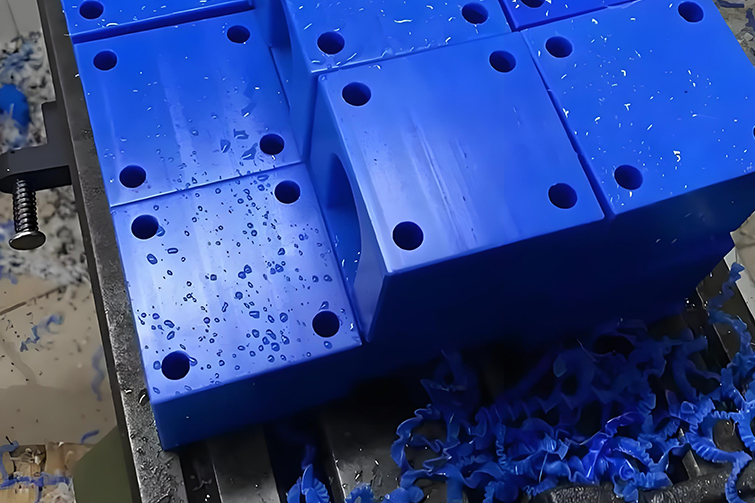
Cutting can be done with saws, lasers, or CNC routers—use sharp tools to avoid melting. For drilling, use metal bits at moderate speeds to prevent cracking. Bonding is best with solvent cements like methylene chloride, which weld the material seamlessly. Sanding edges smooths rough cuts, and bending requires heating to around 100°C.
Advantages Over Other Materials
Compared to acrylic, ABS is more impact-resistant and less prone to cracking. It is easier to machine than polycarbonate and more affordable. Unlike PVC, ABS is free of chlorine, making it safer for some applications. Its recyclability also supports sustainability efforts.
Frequently Asked Questions
What is the maximum temperature ABS sheets can withstand?
ABS sheets generally handle continuous use up to 80°C (176°F), with short-term exposure to 100°C (212°F) possible.
Are ABS sheets food safe?
Yes, but only specific FDA-approved grades. Always verify with the manufacturer for food contact applications.
Can ABS sheets be used outdoors?
Regular ABS degrades under UV light, but UV-stabilized grades are available for outdoor use with proper coating.
How do I clean ABS sheets?
Use mild soap and water; avoid harsh solvents like acetone that may damage the surface.
Is ABS easy to paint or decorate?
Yes, ABS sheets bond well with paints and adhesives, especially after light sanding for better adhesion.
Related Posts