




The Ultimate Guide to ABS Sheets & Rolls: Properties, Applications, and Buying Tips
Introduction to ABS Sheets & Rolls
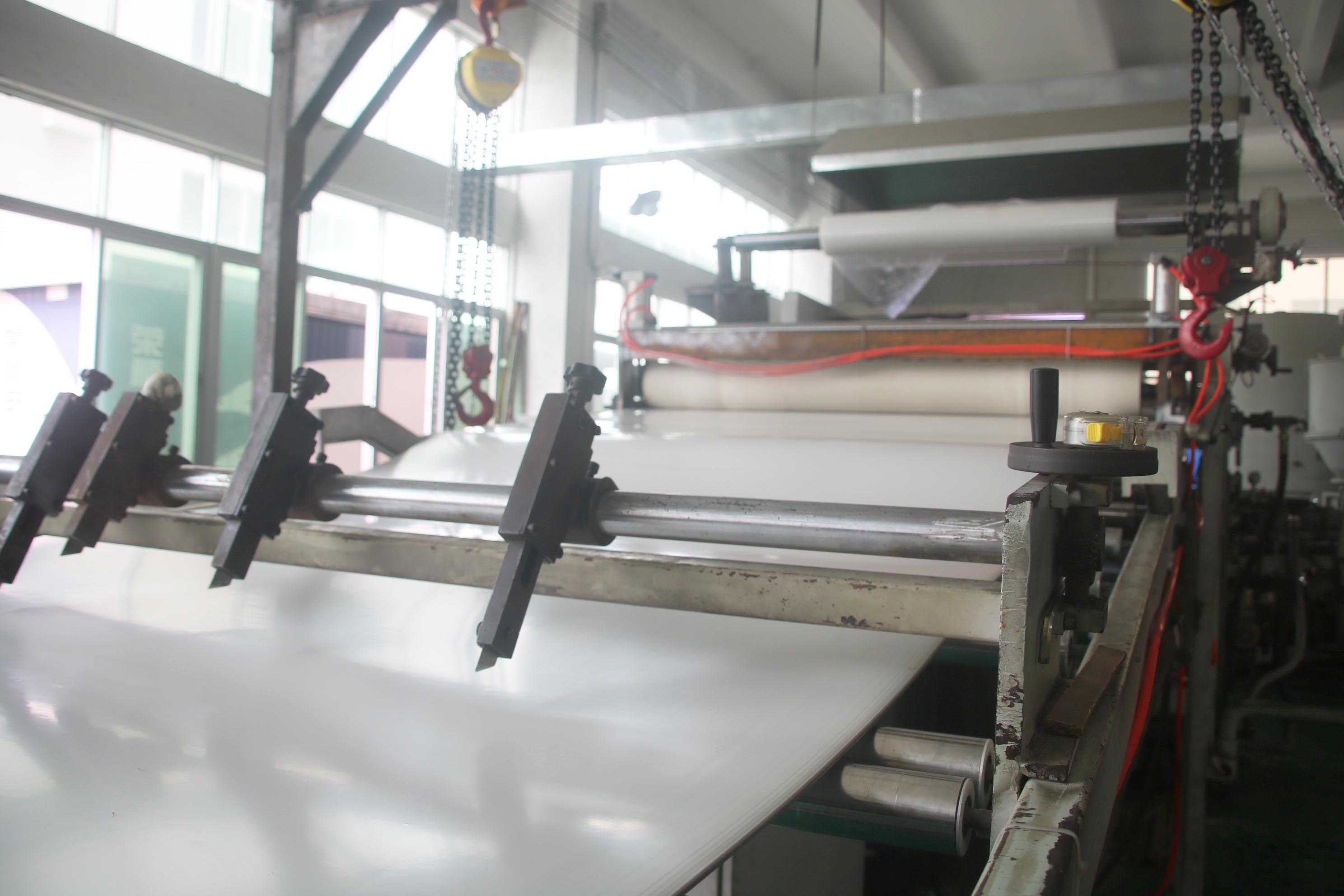
ABS (Acrylonitrile Butadiene Styrene) is a popular thermoplastic polymer used in a wide range of industries. It is available in both sheet and roll forms, offering flexibility for various fabrication needs. ABS sheets are rigid and ideal for structural applications, while ABS rolls are flexible and suitable for thermoforming and vacuum forming. The material combines the strength of styrene with the impact resistance of butadiene, making it exceptionally durable.
Key Properties of ABS Sheets & Rolls
ABS sheets and rolls exhibit several advantageous properties. They have high impact resistance and good dimensional stability, meaning they do not warp easily under stress. The material is also chemically resistant to many acids, alkalis, and oils, though it can be damaged by strong solvents. Additionally, ABS is easy to machine, cut, and bond using adhesives or solvents. Its surface finish can be painted or printed on, making it versatile for aesthetic applications. Finally, ABS is recyclable and can be reused, contributing to sustainability efforts.
Common Applications
ABS sheets and rolls are used across multiple industries. In automotive, they are used for interior trim panels, dashboards, and protective covers. The medical field uses ABS for housings of medical devices, due to its sterilizability. In consumer goods, ABS is found in luggage, toys (like LEGO bricks), and small appliances. Construction uses ABS for pipes, fittings, and roofing sheets. The printing and signage industry relies on ABS sheets for signboards and display stands because of their smooth surface. Prototyping often uses ABS rolls for creating models via thermoforming or vacuum forming.
Advantages Over Other Materials
Compared to other plastics like PVC or polypropylene, ABS offers superior impact strength and scratch resistance. It is also more cost-effective than polycarbonate while providing similar toughness. ABS is also easier to recycle than many thermoplastics. However, UV resistance is a limitation; prolonged sunlight exposure can cause yellowing and degradation. For outdoor applications, UV stabilizers or protective coatings are recommended.
How to Choose Between ABS Sheets and Rolls
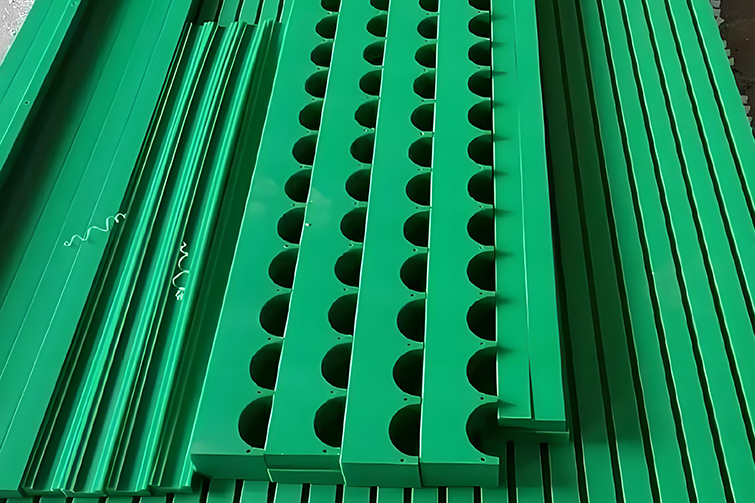
When selecting between sheets and rolls, consider the intended use. Sheets are better for rigid structures, such as machine guards or enclosures, where flatness and thickness are crucial. They come in various sizes and thicknesses (0.5 mm to 12 mm). Rolls are ideal for continuous processes like thermoforming vacuum forming, where flexibility is needed. Rolls are thinner (usually 0.5 mm to 3 mm) and can be cut to length. Factors like fabrication method, size constraints, and budget should guide your choice.
Fabrication Techniques for ABS Sheets & Rolls
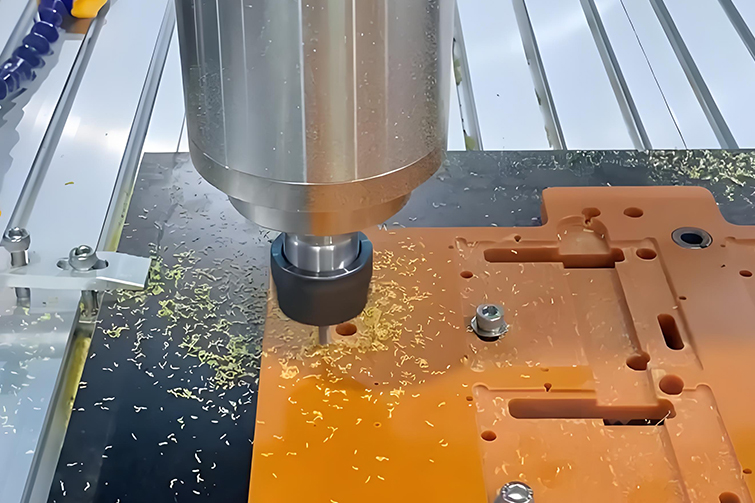
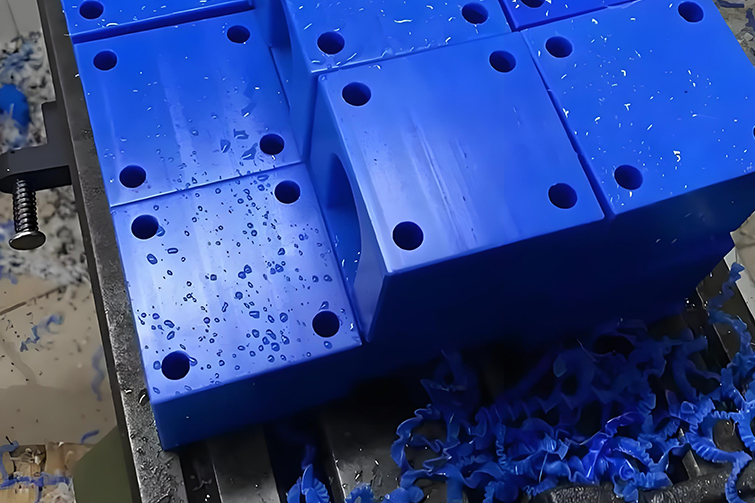
ABS can be easily fabricated using standard woodworking tools. Cutting can be done with a saw, laser cutter, or router. Bending requires heating the material to its glass transition temperature (around 105°C) using a heat gun or oven. Joining is often done with solvent cement (e.g., methyl ethyl ketone) or adhesives like cyanoacrylate. Thermoforming with ABS rolls involves heating and shaping over a mold. Always wear proper PPE when machining to avoid inhaling dust.
Cost and Availability
ABS sheets and rolls are widely available from plastic distributors and online retailers. Prices vary based on thickness, size, and quantity. Thinner sheets and rolls are less expensive, but thicker materials offer more rigidity. Bulk orders often come with discounts. It is advisable to request samples before large purchases to test quality and compatibility with your project.
Maintenance and Care
ABS is low maintenance. Clean with mild soap and water, avoiding abrasive cleaners that can scratch the surface. For outdoor use, apply a UV protectant to prevent degradation. Store in a cool, dry place away from direct sunlight to maintain properties. If scratched, ABS can be polished or sanded smooth.
Environmental Impact and Recycling
ABS is recyclable, though not as widely accepted as PET or HDPE. Many recycling facilities accept ABS (resin code 7, “other”). Recycled ABS can be used in non-critical applications. Some manufacturers offer post-consumer recycled (PCR) ABS options, reducing environmental footprint. Consider sustainability when choosing materials.
Common Questions About ABS Sheets & Rolls
Are ABS sheets and rolls food safe?
Food contact surfaces require special grades; standard ABS is not recommended for direct food contact without FDA compliance.
Can ABS be used outdoors?
Yes, but with UV stabilizers or coatings to prevent yellowing and brittleness.
What thickness should I choose for my project?
For structural parts, use thicker sheets (3mm+); for flexible applications, use thin rolls (0.5-2mm).
Is ABS flammable?
ABS is flammable and burns readily; it should be kept away from open flames. Some grades are flame retardant.
Related Posts