




Thermoforming: A Comprehensive Guide to Plastic Shaping Technology
What is Thermoforming?
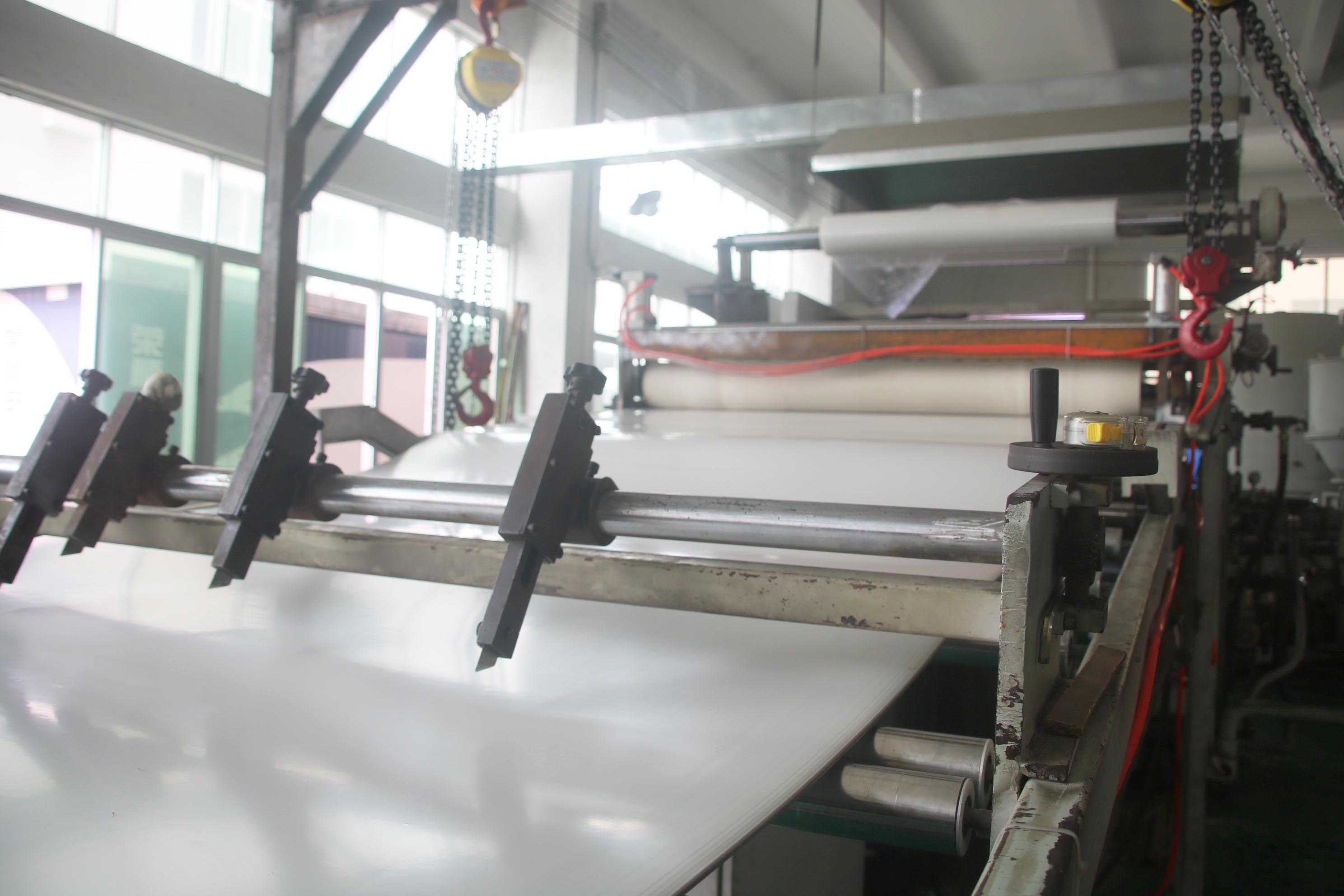
Thermoforming is a manufacturing technique where a plastic sheet is heated until it becomes pliable, then formed over a mold using pressure or vacuum to create a desired shape. This process is widely used due to its efficiency and flexibility in producing items like food containers, medical devices, and consumer goods. It involves key steps: heating the plastic, forming it, cooling, and trimming excess material. Thermoforming is often compared to other methods like injection molding, but it typically offers lower tooling costs and faster production times for medium to large parts.
Types of Thermoforming Processes
There are two main types of thermoforming: vacuum forming and pressure forming. In vacuum forming, a vacuum is applied to draw the heated plastic sheet onto the mold, making it ideal for simpler shapes and lower-cost applications. Pressure forming uses air pressure to force the plastic into the mold, allowing for more detailed and complex designs with sharper corners and better surface finishes. Each type has its advantages; for example, vacuum forming is often used for packaging, while pressure forming is preferred for automotive interiors or electronic enclosures where precision is crucial.
Materials Used in Thermoforming
Common materials in thermoforming include polystyrene (PS), polyethylene terephthalate (PET), and acrylonitrile butadiene styrene (ABS). PS is popular for disposable items due to its low cost and ease of forming, while PET is favored for food packaging because of its clarity and barrier properties. ABS offers durability and is used in automotive and appliance parts. The choice of material depends on factors like strength requirements, environmental conditions, and budget. Innovations in biodegradable plastics are also expanding thermoforming's applications in sustainable products.
Applications and Benefits of Thermoforming
Thermoforming is applied across various industries, including packaging, automotive, medical, and consumer goods. In packaging, it produces clamshells, blister packs, and trays that protect products during shipping. Automotive uses include dashboards and interior panels, where thermoforming provides lightweight and cost-effective solutions. Medical applications involve sterile trays and device housings, benefiting from the process's ability to create custom shapes. Key benefits include low tooling costs, rapid prototyping, and design flexibility. Compared to injection molding, thermoforming often requires less upfront investment, making it accessible for small to medium-sized production runs.
Common Challenges and Solutions in Thermoforming
Despite its advantages, thermoforming can face challenges like material thinning, warping, or inconsistent quality. To address these, proper mold design is essential; for instance, using draft angles can reduce stress and improve part release. Controlling heating temperatures and cooling rates helps minimize defects. Regular maintenance of equipment and training for operators also enhance efficiency. By understanding these issues, manufacturers can optimize their processes for better outcomes and reduced waste.
Future Trends in Thermoforming
The future of thermoforming is shaped by trends like automation, sustainability, and advanced materials. Automation through robotics and AI is increasing production speed and consistency, while sustainable practices focus on recycling and using eco-friendly plastics. Innovations in smart materials, such as those with embedded sensors, are opening new applications in IoT devices. As technology evolves, thermoforming is expected to become even more efficient and adaptable to changing market demands.
Frequently Asked Questions
What is the difference between thermoforming and injection molding?
Thermoforming involves heating a plastic sheet and forming it over a mold, while injection molding melts plastic pellets and injects them into a mold. Thermoforming is generally cheaper for large parts and has faster tooling, but injection molding offers higher precision and is better for complex, small parts.
How long does the thermoforming process take?
The cycle time varies based on part size and complexity, but it typically ranges from a few seconds to a minute. Factors like heating time, forming speed, and cooling duration influence the overall production rate.
Can thermoforming be used for recycled materials?
Yes, thermoforming can utilize recycled plastics, especially in applications like packaging. However, material quality must be monitored to ensure consistency and performance, as impurities can affect the forming process.
Related Posts