




Beyond Acrylic: The Rise of Durable, Weather-Resistant Lightbox Panels
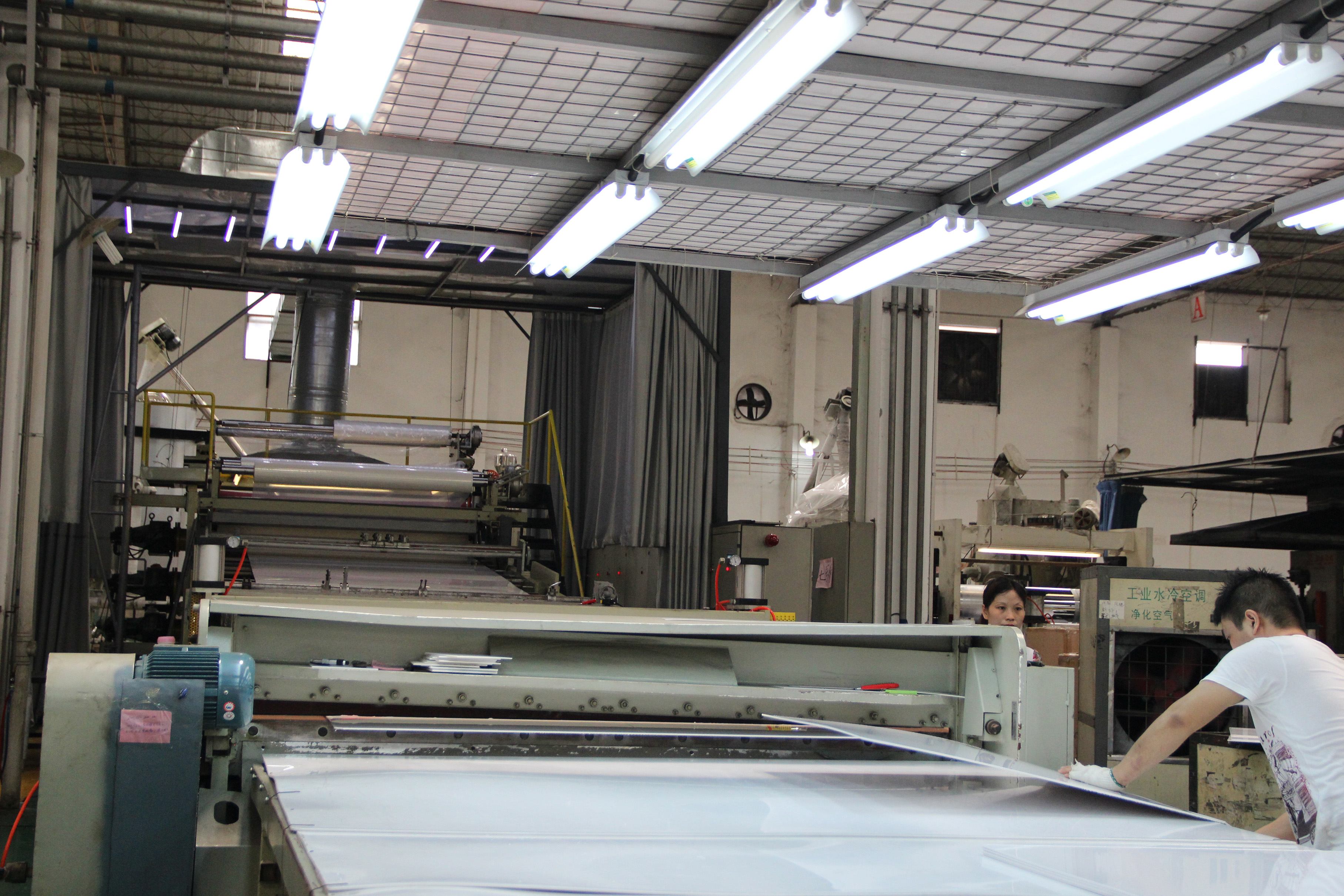
Introduction to Lightbox Panel Materials
Lightbox panels are essential components in outdoor and indoor advertising, providing a translucent surface for illuminated graphics. Traditionally, acrylic (PMMA) has dominated this market due to its excellent optical clarity and ease of fabrication. However, acrylic has limitations, particularly in terms of impact resistance and weather durability. Over time, exposure to UV rays, temperature fluctuations, and physical stress can cause acrylic to yellow, crack, or become brittle. This has led to a growing demand for alternatives that can withstand harsh environments while maintaining aesthetic appeal.
Key Properties of Alternative Materials
When considering replacements for acrylic, several key properties are crucial. High toughness and impact resistance ensure that panels can endure accidental knocks or vandalism without breaking. Excellent weather resistance involves resistance to UV degradation, moisture, and extreme temperatures, preventing discoloration and structural failure. Additionally, good light transmission is vital for maintaining brightness and clarity in illuminated displays. Materials like polycarbonate (PC) and advanced composites often excel in these areas, offering a longer lifespan and reduced maintenance costs compared to acrylic.
Popular Alternatives to Acrylic
One of the most common alternatives is polycarbonate, known for its exceptional impact strength—up to 250 times that of glass. It also boasts good UV stability when treated with coatings, making it suitable for outdoor applications. Another option is PETG (glycol-modified polyethylene terephthalate), which combines clarity with improved chemical and scratch resistance. For high-end projects, acrylic-PC blends or specialized UV-stabilized polymers provide a balance of optical quality and durability. These materials are increasingly used in signage, architectural lighting, and retail displays where reliability is paramount.
Benefits of Switching to Durable Panels
Adopting more resilient lightbox panels offers numerous advantages. Firstly, reduced replacement costs over time, as durable materials last longer and require fewer repairs. Secondly, enhanced safety in public spaces, as tough panels are less likely to shatter upon impact. Thirdly, better performance in diverse climates, ensuring consistent appearance and functionality. For businesses, this translates to lower operational expenses and improved brand image through reliable, high-quality displays. Real-world examples include outdoor billboards in coastal areas or transit shelters in urban settings, where these panels have proven their worth.
Practical Tips for Selection and Installation
When choosing an alternative to acrylic, consider factors such as budget, environmental conditions, and intended use. For instance, polycarbonate might be ideal for high-traffic areas prone to impacts, while PETG could suffice for indoor applications with moderate wear. Ensure proper installation by using compatible framing systems and seals to prevent moisture ingress. Regular cleaning with non-abrasive solutions helps maintain transparency. Consulting with suppliers or industry experts can provide tailored recommendations based on specific project needs.
Common Questions
What are the main drawbacks of acrylic compared to alternatives?
Acrylic tends to be more brittle and susceptible to cracking under impact, and it can yellow over time when exposed to UV light without proper stabilization. Alternatives like polycarbonate offer better toughness and weather resistance, though they may be slightly more expensive upfront.
How do I know if a material is truly weather-resistant?
Look for certifications or data sheets indicating UV stabilization, water resistance ratings, and temperature tolerance. Materials labeled as "weatherable" or "outdoor-grade" typically undergo testing to ensure longevity in harsh conditions.
Are there eco-friendly options among these alternatives?
Yes, some materials, such as certain PETG variants, are recyclable and have a lower environmental impact. Additionally, longer-lasting panels reduce waste by minimizing replacements. Check for sustainability certifications when sourcing.
Related Posts