





Understanding ABS: Key Applications, Benefits, and Common Questions
What is ABS and Why is it So Popular?
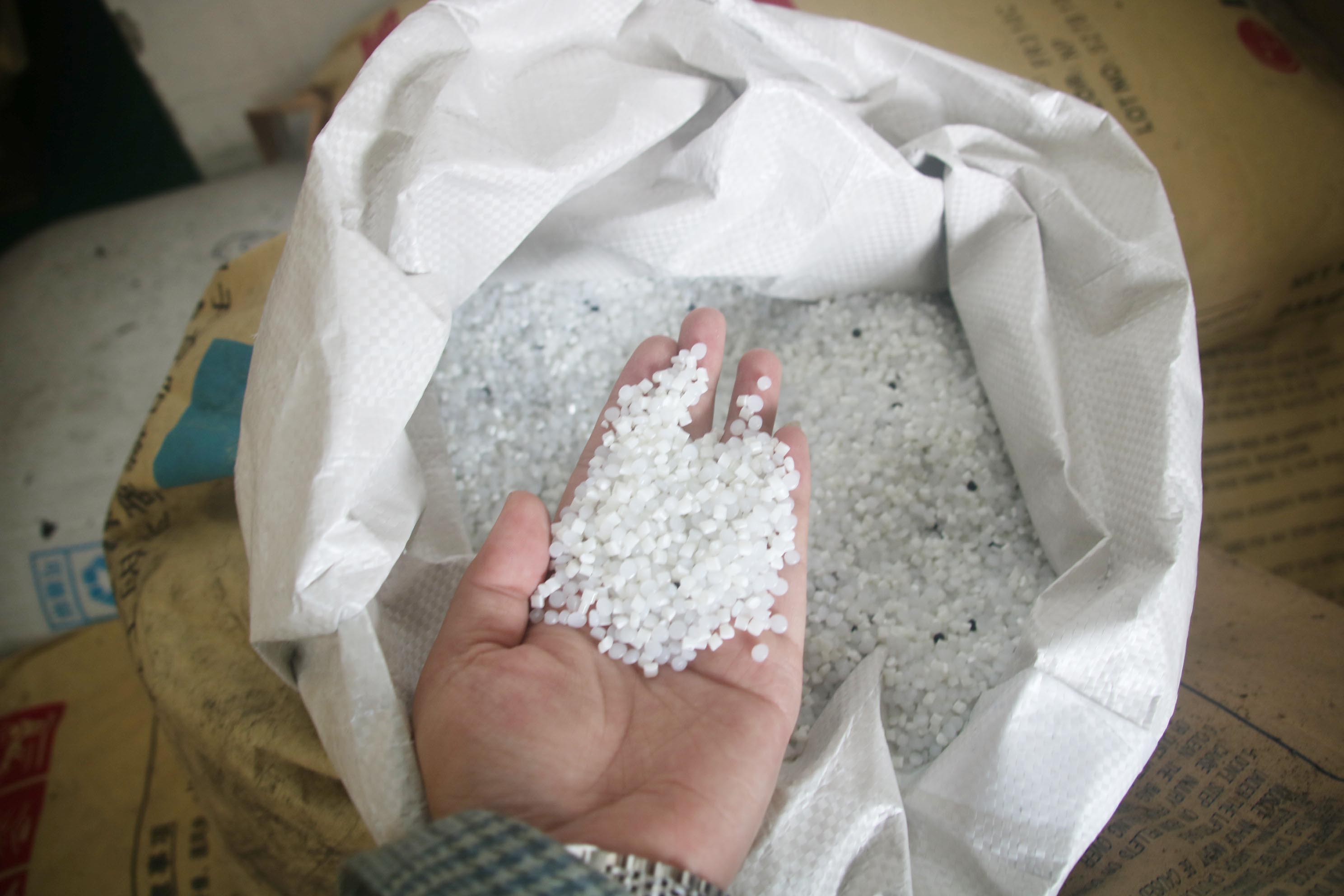
ABS (Acrylonitrile Butadiene Styrene) is a copolymer made from three monomers: acrylonitrile, butadiene, and styrene. Each component contributes unique properties: acrylonitrile provides chemical resistance and thermal stability, butadiene adds toughness and impact resistance, and styrene gives rigidity and ease of processing. This combination results in a material that is strong, durable, and easy to machine, making it a favorite in manufacturing and prototyping.
One of the key reasons for ABS's popularity is its excellent balance of mechanical properties and cost-effectiveness. It is widely used in applications ranging from automotive parts to consumer electronics, and it is the standard material for many 3D printing filaments. Its ability to be easily painted, glued, and post-processed further enhances its appeal.
Key Properties and Advantages of ABS
ABS is known for its high impact strength and good dimensional stability. It can withstand significant physical stress without cracking, making it ideal for durable goods like safety helmets and luggage. Additionally, it has a relatively low melting point (around 200°C), which allows for easy molding and extrusion.
Another advantage is its excellent surface finish. ABS parts can be produced with a smooth, glossy appearance, which is aesthetically pleasing for consumer products. It also exhibits good electrical insulation properties, which is why it's commonly used in electronic housings. Furthermore, ABS is recyclable, contributing to sustainability efforts when properly managed.
Major Applications of ABS
The versatility of ABS is evident in its wide range of applications. In the automotive industry, it is used for dashboard components, wheel covers, and trim pieces due to its toughness and heat resistance. In electronics, it forms the casing for keyboards, monitors, and power tools, offering protection and durability.
In the medical field, ABS is used for non-implantable devices like instrument housings and diagnostic equipment. It is also a popular choice for 3D printing, especially in FDM (Fused Deposition Modeling) printers, where its low melting point and strength make it ideal for functional prototypes and end-use parts. Additionally, ABS is used in consumer goods such as LEGO bricks, toys, and kitchen appliances.
Processing Methods and Considerations
Injection molding is the most common processing method for ABS, allowing high-volume production of complex shapes with tight tolerances. Extrusion is used to produce sheets, pipes, and profiles. For 3D printing, ABS filament requires a heated bed to prevent warping and a well-ventilated area due to fumes.
When processing ABS, it's important to dry the resin before molding to avoid moisture-induced defects like bubbling or surface imperfections. Additionally, ABS can be recycled, but it should not be mixed with other plastics unless properly sorted. Post-processing options include sanding, polishing, and painting, which can improve the final appearance and performance.
Common Questions About ABS
1. Is ABS safe for food contact?
Generally, ABS is not recommended for food handling due to potential chemical migration. However, food-grade ABS is available, but it's best to use materials specifically rated for food contact.
2. Can ABS be used outdoors?
ABS has poor UV resistance and can degrade when exposed to sunlight. For outdoor applications, it's advisable to add UV stabilizers or apply a protective coating.
3. How does ABS compare to PLA?
ABS is stronger and more heat-resistant than PLA, but it's more prone to warping during 3D printing. PLA is biodegradable and easier to print, but less durable.
4. Can ABS be glued?
Yes, ABS can be bonded using special ABS cement or solvent-based adhesives that melt the surface slightly for a strong bond.
5. Is ABS recyclable?
Yes, ABS is recyclable. It should be separated from other plastics and processed in facilities that handle ABS.