





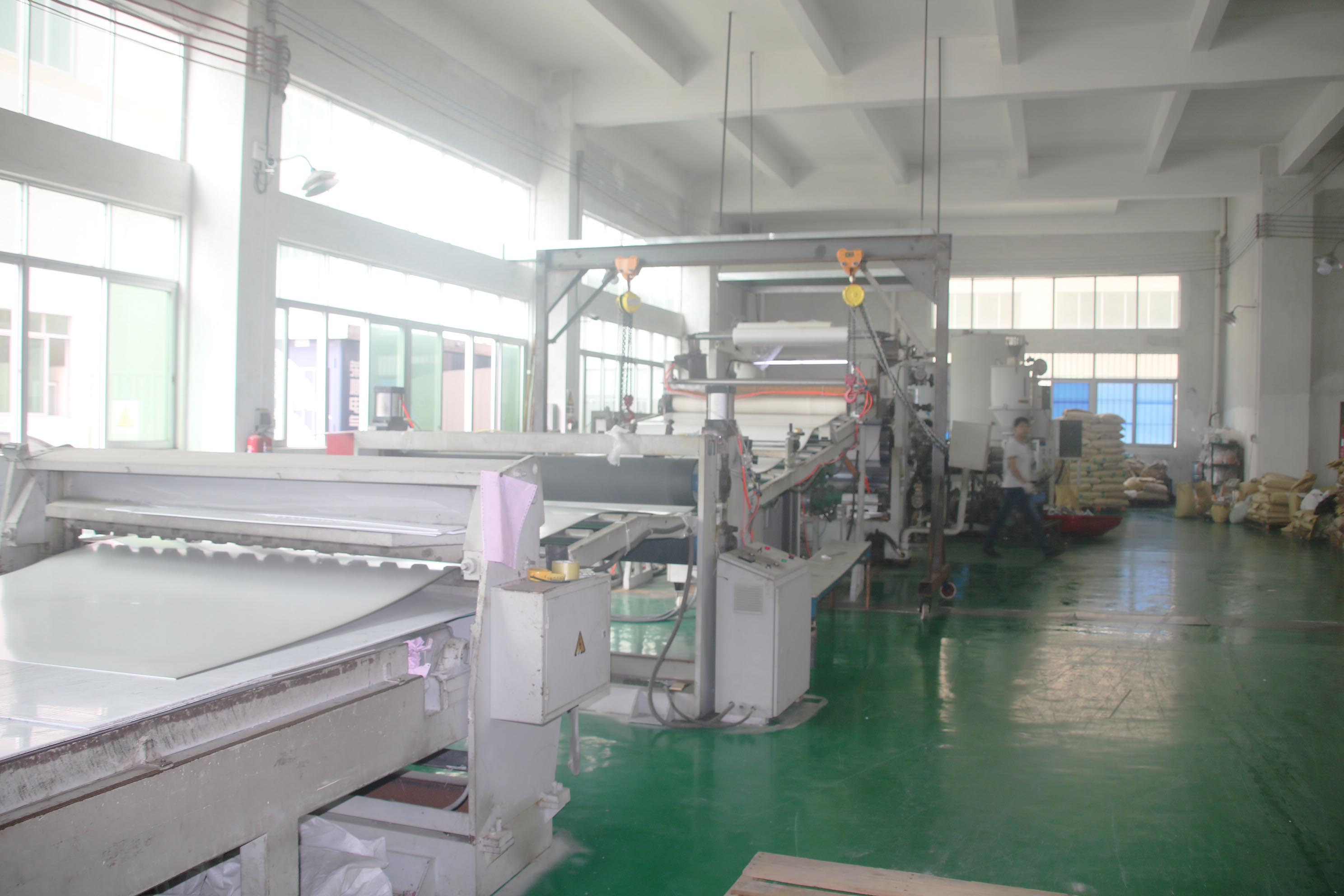
TPE Car Mats: The Ultimate Guide to Choosing the Best Floor Protection
What Are TPE Car Mats?
TPE (Thermoplastic Elastomer) car mats are a relatively new yet rapidly growing option in the automotive accessories market. They are made from a blend of plastic and rubber, offering a unique combination of flexibility, durability, and environmental friendliness. Unlike traditional PVC mats, TPE mats are free from harmful chemicals like latex, cadmium, and phthalates, making them safe for both you and the environment. Their non-slip surface and precise fit make them an excellent choice for any vehicle.
Why Choose TPE Over Rubber or Carpet?
When it comes to car floor protection, drivers often debate between rubber, carpet, and TPE mats. Rubber mats are heavy and can emit a strong odor, especially in hot weather. Carpet mats look luxurious but absorb water and dirt, making them difficult to clean and prone to mold. TPE car mats solve these issues by being lightweight, odor-free, and water-resistant. They are also highly durable, withstanding extreme temperatures from -50°C to 120°C without cracking or warping. This makes them ideal for all climates.
Key Benefits of TPE Car Mats
Investing in TPE car mats comes with a host of advantages that go beyond basic protection. Here are the most notable benefits:
1. Eco-Friendly Composition: TPE is 100% recyclable and free from toxic substances, making it a sustainable choice. By choosing TPE, you reduce your carbon footprint while keeping your car clean.
2. Superior Durability: These mats are designed to withstand heavy foot traffic, spills, and debris. They resist wear and tear, ensuring they last for years without losing their shape or effectiveness.
3. Easy Maintenance: Cleaning TPE mats is a breeze. A simple wipe with a damp cloth or a quick rinse with water removes dirt and stains. They dry quickly, preventing mold and mildew buildup.
4. Perfect Fit: Most TPE mats are custom-molded to fit specific car models, covering every inch of the floor area. This ensures maximum protection against dirt and moisture.
5. Non-Slip Surface: The textured surface keeps the mats in place, preventing accidents while driving. This is especially important for driver and passenger safety.
How to Install TPE Car Mats
Installing TPE car mats is a straightforward process that requires no special tools. Follow these simple steps:
Step 1: Remove the old mats and clean the floor area thoroughly to ensure a flat surface.
Step 2: Position the new TPE mats in place, aligning them with the vehicle's floor contours. They should fit snugly without any gaps.
Step 3: Secure the mats using the factory-provided retention clips or hook loops if available. This prevents them from sliding during acceleration or braking.
Step 4: Test the mats by pressing down on them to ensure they don't interfere with the pedals. Adjust as needed.
Maintenance Tips to Extend Their Lifespan
To keep your TPE car mats looking new, follow these simple maintenance tips:
Regular Cleaning: Vacuum or shake out loose debris weekly. For deeper cleaning, use mild soap and water. Avoid harsh chemicals that can damage the surface.
Avoid Prolonged Sun Exposure: While TPE is UV-resistant, excessive sunlight can cause fading over time. Park in shaded areas when possible.
Inspect Feet Area: Check the mats for signs of wear, especially near the heel area. Rotate them occasionally to distribute wear evenly.
TPE vs. Other Materials: A Comparison
To help you make an informed decision, here's a quick comparison:
TPE vs. Rubber: TPE is lighter, odorless, and more environmentally friendly. Rubber offers excellent grip but is heavy and can stain carpeted floors.
TPE vs. Carpet: TPE is waterproof and easier to clean. Carpet provides a premium feel but requires frequent washing and can harbor allergens.
TPE vs. PVC: TPE is non-toxic and flexible, while PVC contains phthalates and becomes brittle over time.
Top Brands and Models to Consider
Several brands offer high-quality TPE car mats. Some of the most popular include:
Husky Liners: Known for their precise fit and rugged durability.
WeatherTech: Offers custom-fit mats with advanced channeling to contain spills.
3D MAXpider: Features a unique anti-slip layer and laser-measured fit.
TPECarMats: A trusted name in the industry, providing eco-friendly and stylish options at competitive prices.
When choosing a brand, consider your specific needs, such as coverage area, color options, and price.
Common Questions About TPE Car Mats
1. Are TPE car mats compatible with all vehicles?
Most TPE mats are custom-molded for specific makes and models. Universal mats are also available, but they may not offer the same level of coverage. Always check the product specifications to ensure compatibility.
2. Do TPE mats have a strong smell?
No, TPE mats are virtually odor-free. If you notice a slight smell initially, it usually dissipates within a few days.
3. Can I use TPE mats in winter?
Yes, TPE mats are designed to handle extreme cold without cracking. They also trap snow and salt, preventing them from damaging your car's floor.
4. How often should I replace TPE car mats?
With proper care, TPE mats can last up to 5 years or more. Signs of wear include thinning, tearing, or loss of grip.
5. Are TPE mats worth the investment?
Absolutely. They offer long-term value, superior protection, and peace of mind, making them a smart investment for any vehicle owner.