





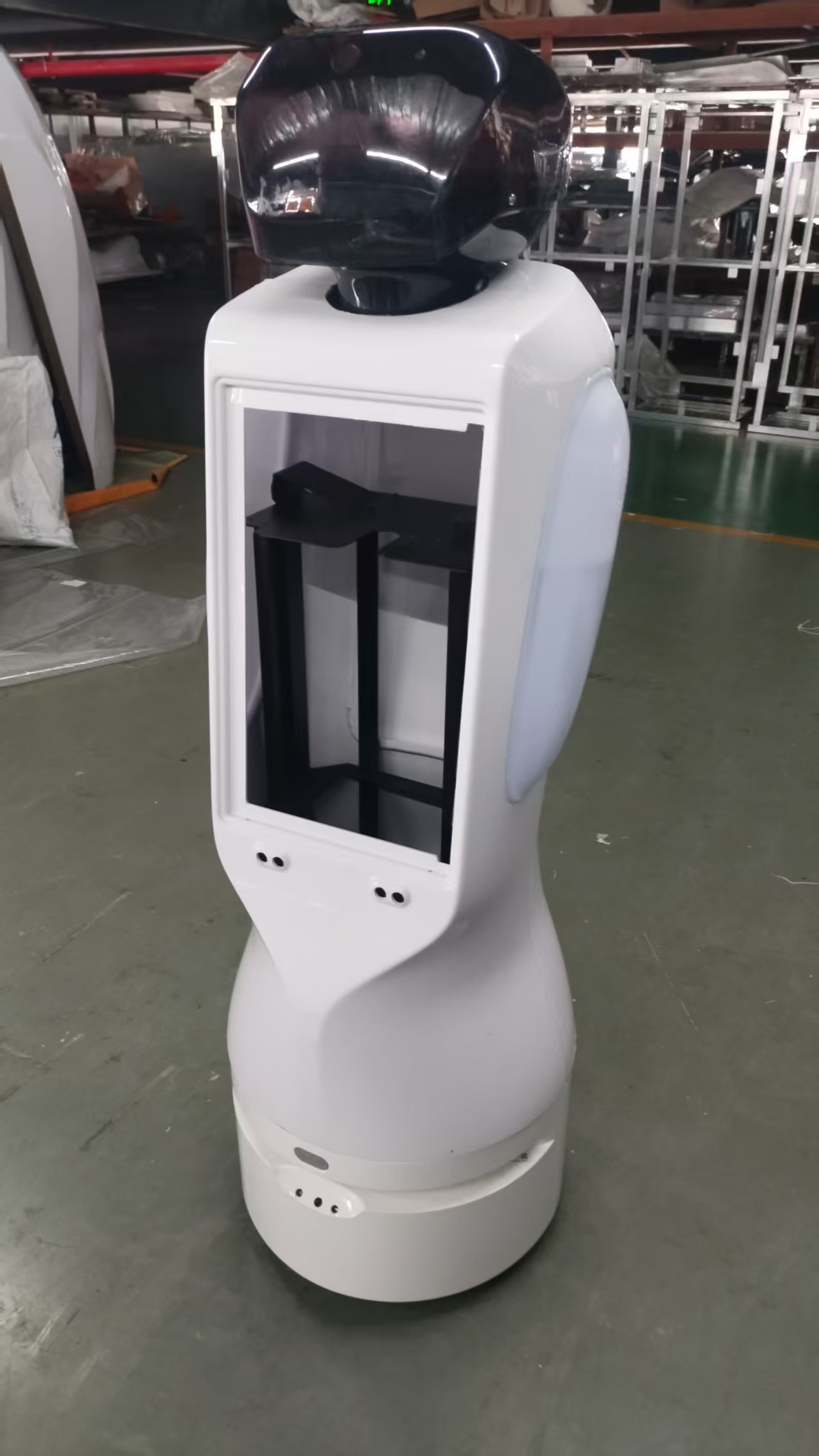
Thermoforming: A Comprehensive Guide to the Process, Materials, and Applications
Understanding Thermoforming: The Fundamentals
Thermoforming is a manufacturing process that involves heating a plastic sheet to a pliable forming temperature, then shaping it in a mold, and trimming the formed part to create a usable product. It is a cost-effective method for producing high-quality parts, especially for low-volume runs and large-scale components. There are two primary techniques: vacuum forming, where air is evacuated from the mold to pull the hot plastic into shape, and pressure forming, which uses positive air pressure to push the sheet into the mold. Both methods offer distinct advantages, making thermoforming a preferred choice in industries ranging from automotive to packaging.
The Thermoforming Process: Step-by-Step
The thermoforming process can be broken down into several key stages, each crucial to achieving optimal results. First, a roll of thermoplastic sheet is loaded into the machine. The sheet is then clamped and moved into an oven, where it is heated to a specific temperature. The ideal temperature varies with material type and thickness; for example, ABS typically heats to 300-350°F, while PETG requires lower temperatures. Once pliable, the heated sheet is conveyed to the forming station, where it comes into contact with a mold. The mold's design—whether it's made of wood, aluminum, or composite—affects the final surface finish and tolerances. Vacuum is applied to remove the air between the sheet and the mold, ensuring a tight fit. For deeper draws or finer details, pressure forming is employed. After forming, the sheet cools, and the part is removed. Finally, trimming and finishing processes like CNC routing or die-cutting remove excess material, leaving a polished product.
Materials Used in Thermoforming
Selecting the right material is critical for thermoforming success. Commonly used thermoplastics include ABS, known for its strength and impact resistance, ideal for automotive and consumer goods. Acrylic offers excellent optical clarity, making it perfect for displays and skylights. Polycarbonate provides exceptional durability and heat resistance, suitable for protective covers and medical devices. Additionally, PETG is prized for its chemical resistance and is often used in food packaging. Each material has distinct characteristics: some are easier to form than others, and costs vary widely. For example, high-impact polystyrene (HIPS) is affordable and easy to process, making it a favorite for prototypes and point-of-sale displays. When choosing a material, consider factors like operating environment, required mechanical properties, and regulatory compliance, especially for food contact or medical applications.
Applications of Thermoforming Across Industries
Thermoforming's versatility has led to widespread adoption in many sectors. In the automotive industry, it is used to produce dashboards, door panels, and other interior trim pieces. These parts benefit from the process's ability to create complex curves and textures with low tooling costs. The packaging industry relies on thermoforming for blister packs, clamshells, and trays that protect consumer goods. Its speed and efficiency make it ideal for high-volume packaging. In medical manufacturing, thermoforming creates sterile trays for surgical instruments, enclosures for diagnostic equipment, and patient-specific prosthetics with precision and biocompatibility. Additionally, the aerospace sector uses thermoforming for lightweight cockpit panels and seat components, contributing to fuel efficiency without compromising strength. Retail displays, tote bins, and even large outdoor signs are also commonly thermoformed, showcasing the process's ability to handle sizes from small electronic components to car body panels.
Advantages and Limitations of Thermoforming
Thermoforming offers several advantages over other plastic manufacturing methods. Low tooling costs are a significant benefit; molds for thermoforming are typically less expensive than injection molding tools, making it economical for limited production runs. The process also allows for large-part production, which is challenging in other techniques. Additionally, thermoforming produces parts with good aesthetic qualities and allows for in-mold decoration or color integration, reducing secondary operations. However, limitations exist. The process is less suited for very complex geometries with undercuts or tight tolerances. Material usage can result in thinner walls in deep-drawn areas, which may affect structural integrity. Trimming and finishing add labor costs, and the process is slower than injection molding for high-volume orders. Recognizing these trade-offs helps manufacturers choose the right method for their specific product needs.
Design Considerations for Thermoformed Parts
Effective design is crucial to maximize the potential of thermoforming. One important factor is draft angles—slight angles on vertical walls—to allow the part to release from the mold without sticking. A general rule is to include at least 1-3 degrees of draft. The sharpness of corners affects both material flow and stress points; radioing corners generously reduces the risk of thinning or tearing. Additionally, the depth of draw—the ratio of the part's depth to its width—needs to be considered. Deep draws are possible but may require thicker sheets and more careful heating. Wall thickness uniformity is challenging; areas in contact with the mold first cool faster, leading to thicker sections, while last-contact areas may be thin. Designers should anticipate these variations and incorporate reinforcing ribs or beads where needed. Decorative textures and lettering can also be incorporated into the mold, adding aesthetic value without extra cost.
Common Questions About Thermoforming
What is the difference between thermoforming and injection molding? Thermoforming uses a single heated plastic sheet and pressure/vacuum to shape it over a mold, while injection molding involves injecting molten plastic into a closed mold under high pressure. Thermoforming generally has lower upfront tooling costs and is better for prototyping and low-to-medium volumes, while injection molding offers higher precision and faster cycle times for mass production.
What materials are best for thermoforming? The best material depends on the application. For impact resistance and durability, ABS and polycarbonate are excellent. For optical clarity, acrylic is preferred. PETG is ideal for food packaging due to its compliance with industry regulations. HIPS is cost-effective for prototype and display purposes.
Can thermoforming produce parts with tight tolerances? Thermoforming can achieve tolerances of ±0.5% of the part dimensions, but this varies with part complexity and material. Pressure forming allows for tighter tolerances than vacuum forming, but for extreme precision, other methods like injection molding or CNC machining might be more suitable.
Is thermoforming environmentally friendly? Thermoforming is relatively sustainable. The plastic sheets used are often recyclable, and the process produces minimal waste, as excess material can be trimmed and reprocessed. Energy consumption is moderate compared to other methods. However, the environmental impact depends on the material type and the facilities' recycling capabilities.