





The Comprehensive Guide to Vacuum Forming: Process, Applications, and Best Practices
Understanding Vacuum Forming
Vacuum forming is a thermoforming process where a flat thermoplastic sheet is heated until pliable, then stretched over a mold, and vacuum pressure is applied to draw the sheet tightly onto the mold surface. This technique is widely used because it is economical for low to medium production runs, with relatively low tooling costs when compared to injection molding.
The Vacuum Forming Process
The process involves several key steps: clamping, heating, forming, cooling, and trimming. First, a plastic sheet is clamped securely in a frame. Then, the sheet is heated by radiant heaters until it reaches the optimal forming temperature (typically between 250°F and 350°F, depending on material). Once soft, the frame lowers over a mold, and vacuum pressure is applied to evacuate air between the sheet and the mold, forcing the plastic to conform to the mold's shape. After cooling, the formed part is removed and trimmed to remove excess material.
Key Materials for Vacuum Forming
The most common materials include ABS (known for strength and impact resistance), Polystyrene (cost-effective and easy to form), PETG (clear and recyclable), Polycarbonate (with high impact strength), and Acrylic (good optical clarity). The choice of material depends on the application needs, such as flexibility, durability, chemical resistance, and transparency.
Applications Across Industries
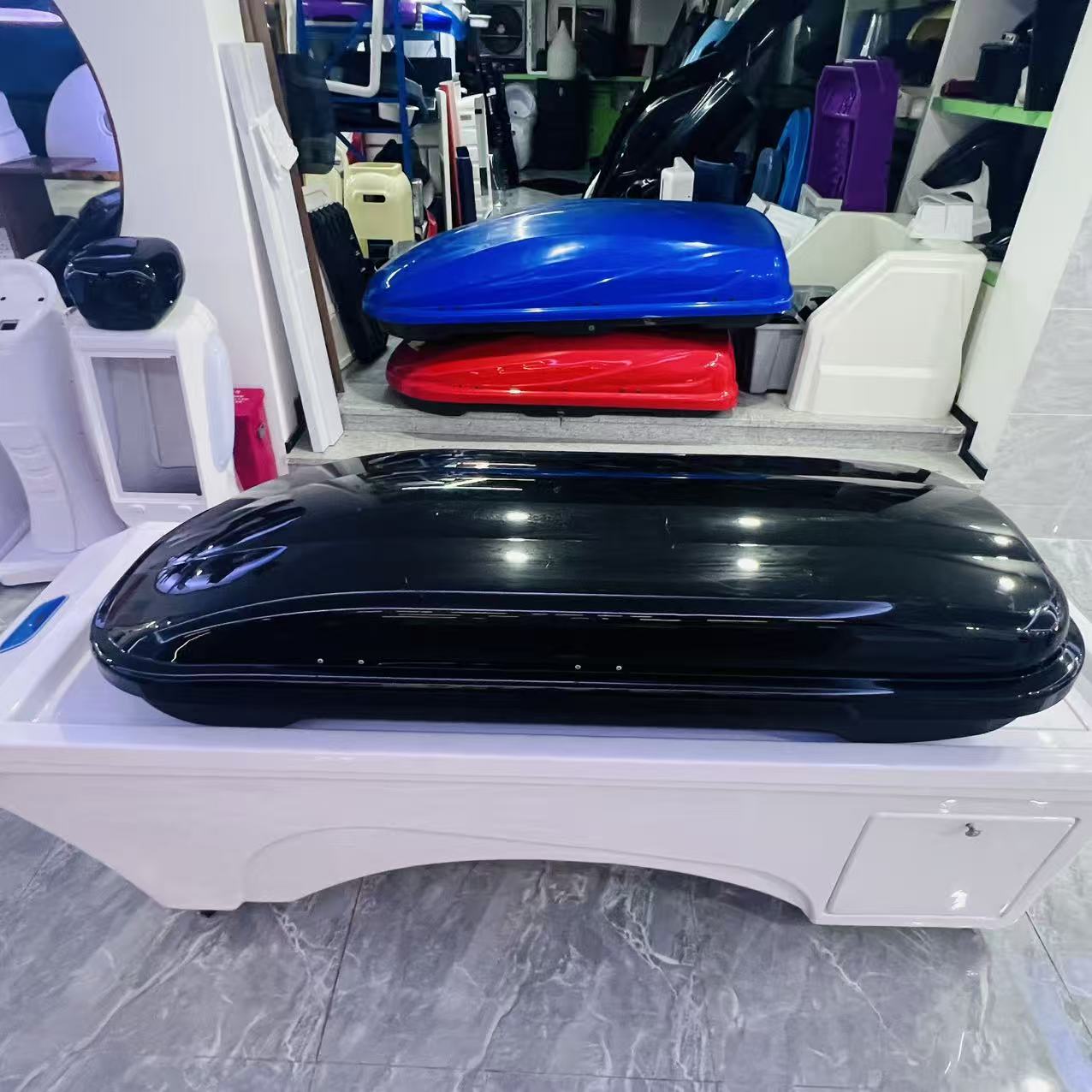
Vacuum forming is used in a wide range of industries. In the packaging industry, it creates blister packs and clamshells. In the automotive sector, it forms dashboards and interior panels. Medical devices utilize it for making patient-specific trays and housings. Additionally, it is used for creating industrial components, such as machine guards and enclosures, and in retail displays and signage.
Advantages and Limitations
One of the main advantages is lower tooling costs compared to injection molding, making it ideal for prototyping and small to medium production runs. It also allows for large part sizes and quick turnaround times. However, vacuum forming has limitations: it is not suitable for high-volume production due to longer cycle times, and the process produces parts with less dimensional accuracy and thin walls at deep draw areas.
Best Practices for Quality Production
To achieve high-quality results, consider these tips: ensure uniform heating of the sheet to prevent thin spots; use draft angles on the mold to facilitate part removal; minimize undercuts unless the mold is designed for stripping; and control the vacuum rate to avoid trapping air bubbles. Regular maintenance of heating elements and vacuum system is also crucial.
Common Troubleshooting Issues
When issues arise, they often include web tearing due to excessive heating or vacuum pressure, incomplete detail from inadequate vacuum or too thick material, and sagging of the sheet during heating. Adjusting process parameters such as temperature, vacuum pressure, and forming time can resolve many of these problems.
Innovations and Future Trends
Recent innovations focus on automation and the use of biodegradable materials to enhance sustainability. Advanced control systems now allow for precise temperature and vacuum profiling, leading to more consistent parts. As the demand for eco-friendly manufacturing grows, vacuum forming is evolving to accommodate recycled and compostable plastics.
Frequently Asked Questions
What is the difference between vacuum forming and thermoforming?
Thermoforming is a general term that includes vacuum forming, pressure forming, and mechanical forming. Vacuum forming specifically uses vacuum pressure to pull the sheet over the mold, whereas other thermoforming methods may use positive air pressure or mechanical forces.
Can vacuum forming produce parts with undercuts?
Yes, but undercuts require special considerations. The mold must be designed with moving sections or allow for side-action releases. In general, undercuts are limited and may increase tooling complexity.
What is the maximum size for a vacuum formed part?
The size is limited by the sheet and machine size. Large industrial vacuum formers can handle sheets up to 10 feet or more, enabling the production of large components like bathtubs or automotive body parts.
How much does vacuum forming cost?
Costs vary depending on tooling complexity, material, and part size. Tooling for vacuum forming is much less expensive than injection molding, often ranging from a few hundred to several thousand dollars. Part cost per unit depends on cycle time and material usage.