





The Comprehensive Guide to China Vacuum Forming: Techniques, Applications, and Industry Insights
What is Vacuum Forming?
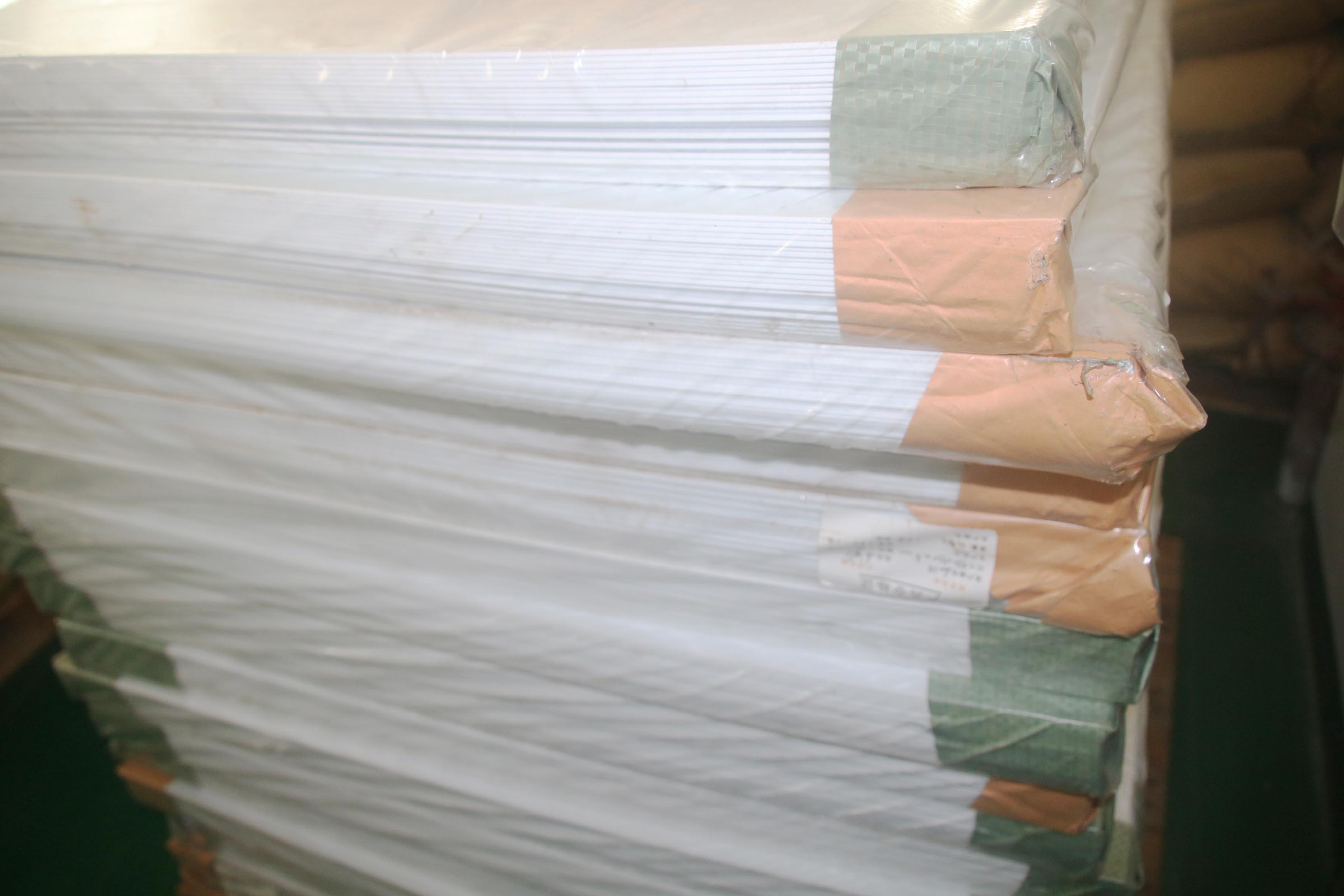
Vacuum forming is a thermoforming process where a plastic sheet is heated until pliable, then stretched over a single-surface mold and pulled against it using vacuum pressure. This method is ideal for producing large parts with low tooling costs, making it a popular choice for prototyping and medium-volume production. China has become a global hub for vacuum forming due to its advanced manufacturing capabilities, competitive pricing, and skilled workforce. The process typically uses materials like ABS, HIPS, PETG, and polycarbonate, offering flexibility for various applications.
Advantages of China Vacuum Forming
Choosing China for vacuum forming brings numerous benefits. First, cost efficiency is significant: mold costs are 50-80% lower than injection molding, and Chinese factories benefit from economies of scale. Second, rapid prototyping is achievable—lead times can be as short as 1-2 weeks. Third, China offers a wide range of materials and finishes, including anti-static, UV-resistant, and textured surfaces. Additionally, many Chinese manufacturers provide value-added services such as CNC routing, printing, and assembly. However, it’s crucial to partner with reputable suppliers to ensure quality control and compliance with international standards.
Common Applications of Vacuum Forming in China
China vacuum forming serves diverse industries. In automotive, it produces dashboards, door panels, and protective covers. The packaging sector uses it for blister packs, clamshells, and trays. Medical devices rely on vacuum-formed parts for enclosures and disposable components. Consumer goods include luggage, sporting equipment, and display cases. Even aerospace uses vacuum forming for interior panels and ductwork. The process is particularly suited for parts with complex geometries and large footprints where structural strength is not the primary requirement.
Key Considerations When Sourcing from Chinese Suppliers
To succeed with China vacuum forming, consider these factors: 1) Material selection—ensure the supplier recommends the right grade for your application. 2) Mold design—provide detailed CAD files with draft angles (minimum 3-5 degrees) to facilitate demolding. 3) Quality control—request samples, discuss tolerance limits (typically ±0.5 mm), and inspect production parts. 4) Lead times and shipping—factor in 4-6 weeks for production and sea freight. 5) Communication—work with suppliers who have English-speaking project managers. Many Chinese factories offer free mold design suggestions and can handle everything from prototyping to mass production.
Quality Standards and Certifications
Reputable Chinese vacuum forming companies adhere to international quality standards such as ISO 9001 and IATF 16949 for automotive. Some hold UL certifications for flame-retardant materials or FDA compliance for food contact. It’s advisable to request a factory audit or third-party inspection before mass production. Quality issues like warpage, uneven thickness, or surface defects can arise if the heating or vacuum process is not optimized. Working with experienced suppliers minimizes these risks. Additionally, look for factories that use CNC machining for precise trimming and robotic handling for consistency.
Cost Breakdown and Pricing Factors
The cost of China vacuum forming depends on several variables: piece part geometry, material type, volume, and post-processing. Typically, mold costs range from $500 to $5,000, while unit prices are $0.50 to $5.00 for small to medium parts. High-volume orders can reduce per-unit costs by 30-50%. Additional costs may arise for secondary operations like punching, bonding, or painting. To get accurate quotes, provide a clear request for quotation (RFQ) with 3D CAD files, material specifications, annual volume, and quality requirements. Many suppliers offer tiered pricing for different volume brackets.
Sustainable Practices in Chinese Vacuum Forming
Environmental concerns are driving eco-friendly practices in China vacuum forming. Many factories now use recyclable materials like PET and recycled PETG, and some have closed-loop cooling systems to reduce water waste. Post-industrial scrap is often reground and reused. However, not all suppliers follow green initiatives, so inquire about their sustainability policies if this matters to your brand. Some Chinese manufacturers also offer carbon-offset programs for international shipments. As global regulations tighten, expect more adoptions of biodegradable materials and energy-efficient machinery.
How to Choose the Right China Vacuum Forming Partner
Selecting a reliable partner involves research and due diligence. Look for suppliers with verified track records on platforms like Alibaba or Global Sources, and check for certifications. Request a capability matrix showing allowed part sizes (e.g., up to 2m x 3m), material options, and secondary services. A good supplier will provide clear communication, offer design for manufacturability (DFM) feedback, and share sample photos or videos. Consider visiting the factory if possible, or hiring a third-party inspection service. Also, read client testimonials and case studies to gauge reliability. Remember: the lowest price may not guarantee the best quality.
Future Trends in China Vacuum Forming
The industry is evolving with automation, 3D printing for mold creation, and digital prototyping. Chinese factories are increasingly adopting industry 4.0 technologies for real-time monitoring and precision control. Multi-layer forming, in-mold decoration, and combination with CNC machining are becoming common. Additionally, the demand for customized medical packaging and lightweight automotive panels is driving innovation. As China continues to invest in advanced manufacturing, vacuum forming will remain a go-to solution for cost-effective, medium-volume production.
常见问题
What is the minimum order quantity (MOQ) for China vacuum forming?MOQ varies: for low-volume, it can be as low as 50-100 pieces; for high-volume, expect 1,000+. Many suppliers offer mold-based pricing with no minimum for first-time runs.
How long does it take to get a prototype?Typically 1-3 weeks for a sample, depending on complexity and mold fabrication. Rushed services may be available for an extra fee.
Can China vacuum forming produce parts with undercuts?Yes, but undercuts require side-action molds or manual trimming. Simpler designs without deep undercuts are more cost-effective.
What are the typical tolerances for vacuum formed parts?Standard tolerances are ±0.5 mm, but tighter tolerances (±0.1 mm) are possible with precision molds and experienced suppliers.