





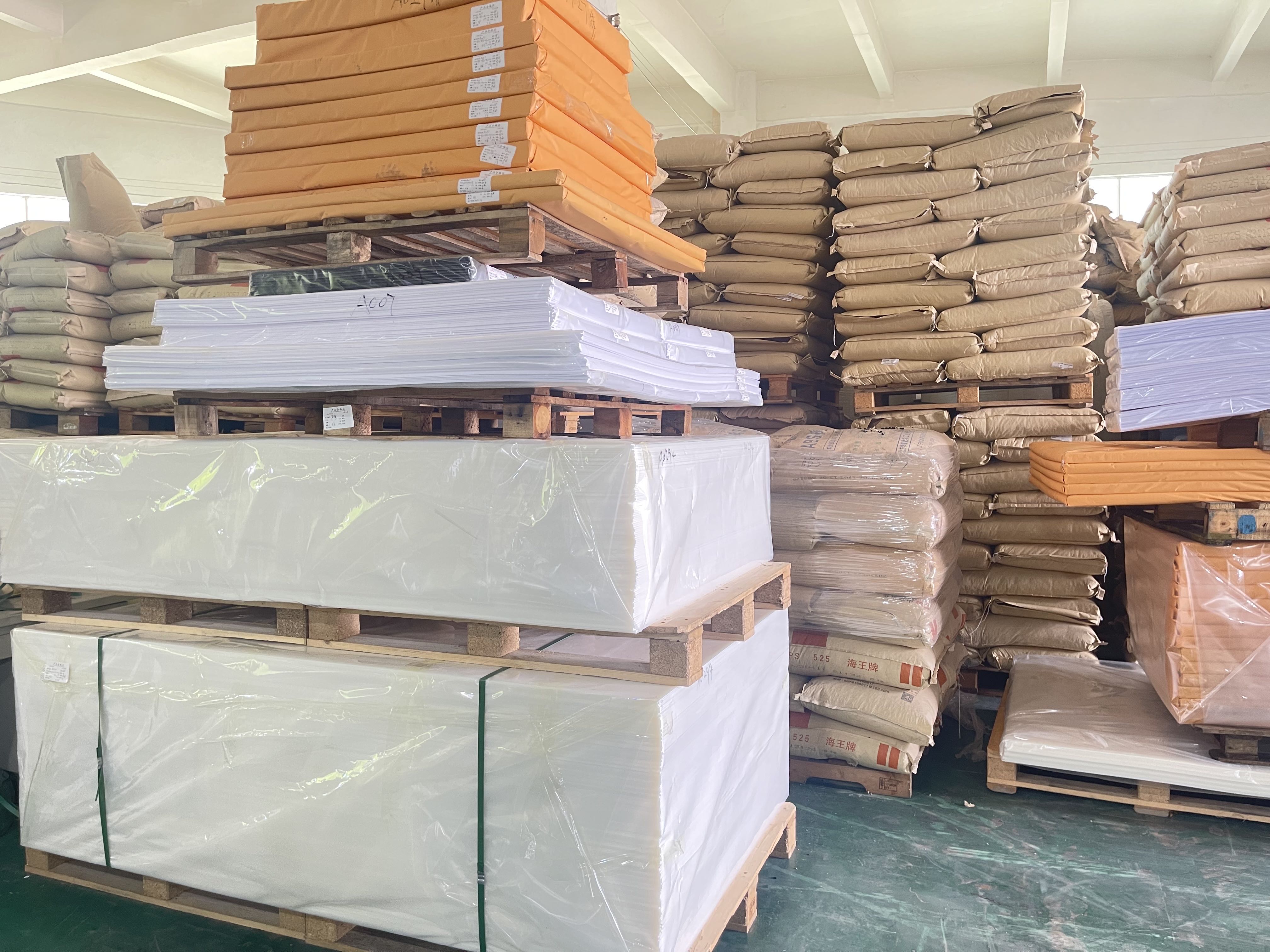
PVC: The Versatile Polymer Revolutionizing Modern Industries
Introduction to PVC
Polyvinyl chloride (PVC), commonly known as vinyl, is the third most produced synthetic polymer globally, after polyethylene and polypropylene. Its popularity stems from its unique properties: resistance to degradation, fire retardancy, and electrical insulation. PVC is produced by the polymerization of vinyl chloride monomer (VCM), resulting in a versatile plastic that can be rigid or flexible depending on the additives used.
Manufacturing Process
The production of PVC involves two main methods: suspension polymerization and emulsion polymerization. In the suspension process, VCM is dispersed in water with suspending agents, producing PVC resin. Emulsion polymerization yields finer particles, ideal for plastisols. Advanced techniques like microsuspension and bulk polymerization are also employed for specific applications. The choice of method affects the resin's particle size, porosity, and thermal stability, tailoring it for diverse uses.
Key Properties and Advantages
PVC's widespread adoption is due to its outstanding characteristics. It is highly resistant to chemicals, moisture, and abrasion, making it suitable for harsh environments. Its inherent flame retardancy (due to chlorine content) enhances safety in construction. Additionally, PVC is lightweight, easy to process, and can be recycled. Its low production cost relative to other polymers makes it economically attractive for mass production.
Major Applications
PVC's versatility is reflected in its applications across various sectors:
Construction: PVC is extensively used in pipes, fittings, window profiles, flooring, and roofing membranes. Its durability and resistance to corrosion make it ideal for plumbing and sewage systems.
Healthcare: Medical-grade PVC is used for blood bags, IV tubing, and disposable syringes. Its transparency, flexibility, and biocompatibility are crucial for safe patient care.
Automotive: In vehicles, PVC is employed in interior trims, dashboard skins, and underbody coatings, providing both aesthetics and protection against wear.
Electrical: Due to its excellent insulation properties, PVC is a standard material for cable and wire insulation, ensuring electrical safety.
Packaging: Rigid PVC films are used for blister packaging, while flexible PVC wraps preserve food freshness.
Everyday Products: From raincoats to inflatable toys, PVC's flexibility and colorability make it a consumer favorite.
Environmental Concerns and Sustainability
Despite its benefits, PVC has faced environmental scrutiny. Production involves toxic intermediates, and incineration can release dioxins. However, modern technologies have mitigated these issues. Recycling programs have been developed, and bio-based plasticizers are replacing phthalates. Innovations like PVC-Plus aim to create more sustainable alternatives. The PVC industry is committed to responsible production under the VinylPlus® sustainability framework, emphasizing recycling and reducing carbon footprint.
Safe Handling and Recycling
Proper handling of PVC is essential. When heated above 200°C, it can emit corrosive gases, so safety protocols are necessary. Recycling PVC reduces waste and conserves resources. Mechanical recycling involves grinding and reprocessing, while feedstock recycling breaks down the polymer into chemical compounds. Many countries have collection systems for PVC waste, promoting a circular economy.
Economic Impact
PVC is a significant contributor to the global economy. The industry supports millions of jobs in production, processing, and application. Its low cost and durability help reduce long-term infrastructure expenses. In developing nations, PVC's affordability enables better housing, clean water delivery, and energy efficiency.
Future Trends
The future of PVC is promising. Research focuses on improving sustainability, such as developing biobased PVC from renewable sources. Advances in 3D printing with PVC are opening new design possibilities. Flexible PVC with enhanced properties will meet evolving medical and electronics needs. As the world moves toward green technology, PVC will adapt and remain a key material.
Common Questions
Is PVC safe for drinking water pipes?
Yes, PVC pipes certified for potable water (e.g., NSF/ANSI 61) are safe. They are inert and do not leach toxic substances, ensuring clean water delivery.
Can PVC be recycled?
Absolutely. PVC is highly recyclable. Mechanical and chemical recycling methods are widely used, and recycled PVC finds uses in new products like pipes and flooring.
Does PVC cause cancer?
Pure PVC is generally safe, but concerns arise from certain additives like phthalates. Regulatory agencies, such as the FDA for medical applications, have deemed PVC safe when used appropriately. Stringent regulations minimize risks.
What is the difference between rigid and flexible PVC?
Rigid PVC (uPVC) contains little or no plasticizers, making it strong and impact-resistant, ideal for construction. Flexible PVC includes plasticizers like DOP or DINP, enabling bending for applications like cables and hoses.
How does PVC compare to other plastics like polyethylene?
PVC is mechanically stronger and more weather-resistant than polyethylene. It also has better fire resistance. However, PE is lighter and easier to recycle in certain forms. The choice depends on the application.